
President of Bolivia
The head of state and government of the Plurinational State of Bolivia: role, election rules, powers, historical development and recent notable holders.
The President of Bolivia, officially styled the President of the Plurinational State of Bolivia, is both the head of state and the head of government of Bolivia. The office combines representative, executive and symbolic functions at the national level. Under the Constitution adopted in 2009, the presidency is filled by direct popular vote for a five-year term that may be renewed once. The charter also established procedures for elections and for resolving contests that do not produce an immediate majority winner.
Image gallery
10 Images


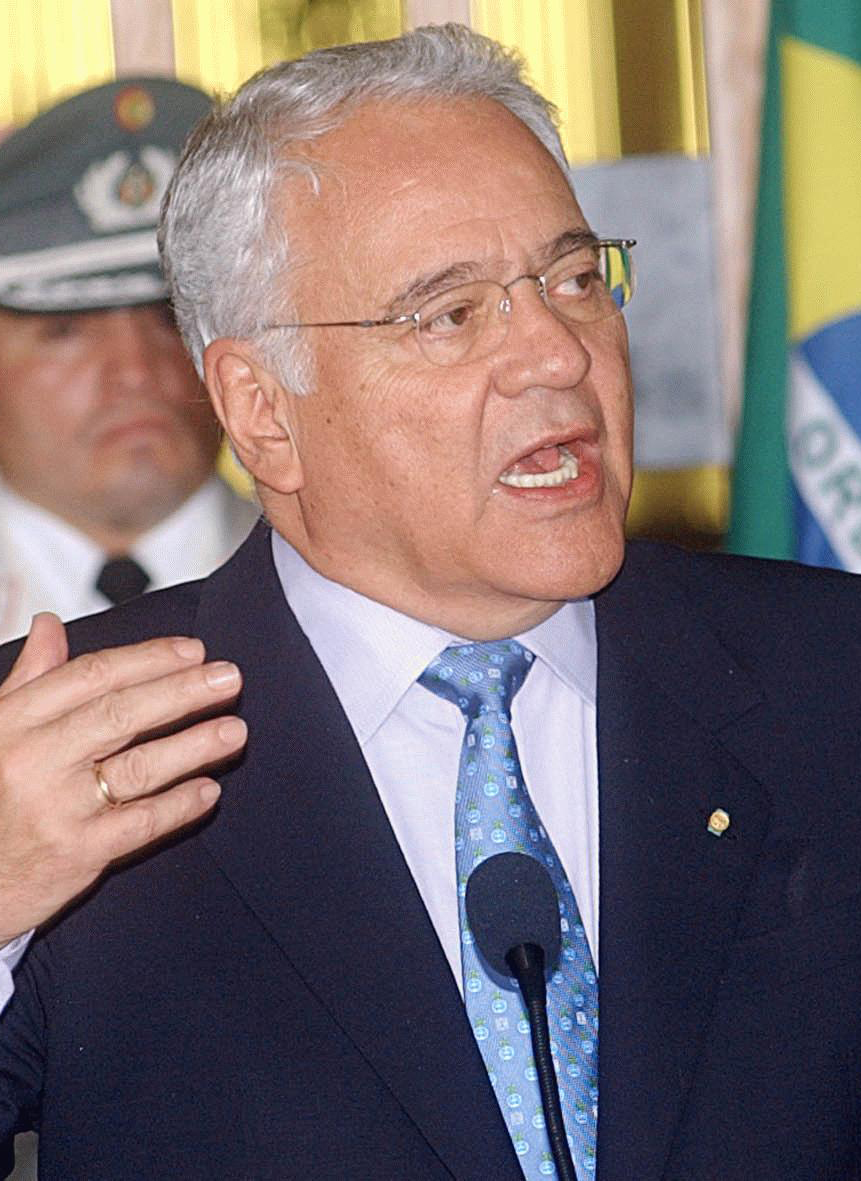
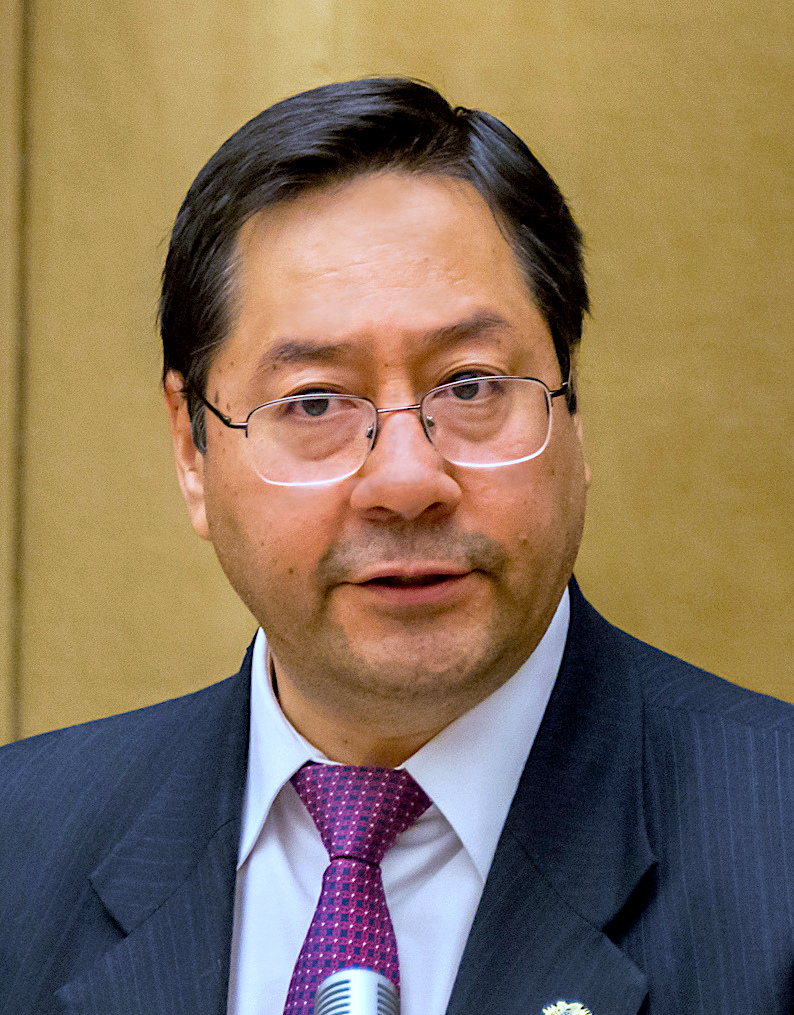


Election and term
Presidential elections are held by popular suffrage. Where no candidate obtains the required level of support to win outright, the electoral rules call for a second-round ballot between the two leading candidates. The constitution specifies the length of the presidential term and limits on re-election; a nationwide referendum in 2016 affirmed restrictions on indefinite re-election. The official Spanish title of the office is Presidente de Bolivia, and the role is formally tied to the Plurinational State of Bolivia as defined by the 2009 text.
Powers and responsibilities
The president directs national policy and the work of the executive branch, represents the country abroad, and serves as commander-in-chief of the armed forces. Key powers commonly exercised by incumbents include:
- appointing and dismissing ministers and senior officials;
- submitting bills and policy proposals to the legislature and promulgating laws;
- directing foreign relations and concluding international agreements;
- issuing decrees within the scope of delegated authority and managing national public administration;
- overseeing national security and civil defense measures.
Institutional context and residence
The presidency operates alongside the Plurinational Legislative Assembly and the judiciary under a constitutional scheme that seeks a balance of powers. The official seat of the national government is in the administrative capital of La Paz, where presidential offices and ceremonial venues are situated. Over time the physical headquarters and ceremonial palaces associated with the presidency have evolved, reflecting changes in administration and national priorities.
History and notable developments
The modern office took on its current constitutional form with the 2009 constitution, which renamed the country the Plurinational State of Bolivia and clarified the separation of powers and electoral procedures. Bolivia's political history includes periods of frequent turnover and military rule in the 20th century, followed by a return to democratic elections. The post-2009 era introduced new institutional arrangements and protections for indigenous peoples and regional autonomies, which in turn shaped the political agenda pursued by successive presidents.
Recent holders and notable facts
Several recent holders of the presidency have drawn international attention. Jeanine Áñez served as the first woman to hold Bolivia's presidency in an interim capacity. In October 2020, Luis Arce was elected president in a national vote and later assumed office. The office remains central in steering Bolivia's domestic economic policy, social programs, and international relations. For an overview of official titles and the role of the presidency within the state's institutions see the constitutional text and government sources linked here: head of state, head of government and additional country information Bolivia.
Distinguishing features of the Bolivian presidency include its dual role as both a symbolic national representative and an active manager of government policy, the explicit recognition of the country's plurinational character in the constitutional framework, and the electoral safeguards that provide for runoff voting and limits on consecutive terms. These elements shape how presidents are elected, how they exercise power, and how they respond to the diverse social and regional interests within Bolivia.
Related articles
Author
AlegsaOnline.com President of Bolivia Leandro Alegsa
URL: https://en.alegsaonline.com/art/78806
Sources
- cia.gov : "The World Factbook — Central Intelligence Agency"
- nytimes.com : "Bolivian President Concedes Defeat in Term-Limit Referendum"
- worldcat.org : 0362-4331
- cronista.com : "Bolivia: Who is Jeanine Anez?"