
Anna Karina
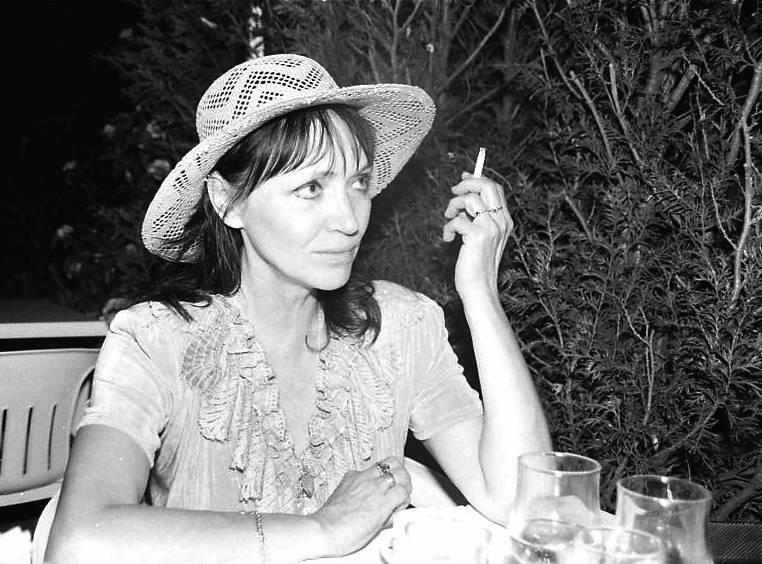
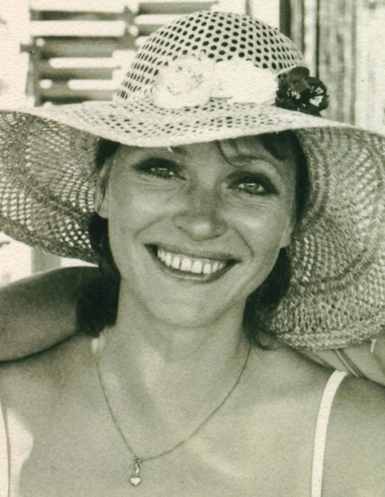
Danish-French actress, singer and writer Anna Karina (1940–2019) became a defining face of the French New Wave as Jean‑Luc Godard’s muse and starred in several landmark 1960s films.
Overview
Anna Karina (born Hanne Karin Bayer, 22 September 1940 – 14 December 2019) was a Danish-born actress, singer and writer who spent most of her career in France. She is best known for her work during the 1960s French New Wave, where she became closely associated with director Jean‑Luc Godard. Karina’s image and performances made her widely regarded as an icon of 1960s cinema, and major publications such as The New York Times have described her as among the screen’s memorable beauties and enduring symbols of that movement.
Image gallery
5 Images

Early life and arrival in France
Born in Denmark, she adopted the stage name Anna Karina after leaving home as a teenager. Karina moved to Paris and began modeling and acting, quickly finding work in film and advertising. Her early presence in Parisian cultural circles helped launch a rapid career in cinema at a time when the French film industry was open to new faces and innovative styles.
Collaboration with Jean‑Luc Godard
Karina’s international reputation rests largely on her collaboration with Godard in the early to mid‑1960s. She starred in several of his films, often playing characters that combined vulnerability, wit and a complex emotional range. Their professional and personal relationship made her the director’s best‑known collaborator from that period.
Notable films
- The Little Soldier (1960)
- A Woman Is a Woman (1961)
- Vivre sa vie (1962)
- Band of Outsiders (1964)
- Pierrot le Fou (1965)
- Alphaville (1965) — a science‑fiction noir that remains frequently discussed in studies of modern cinema; see Alphaville
Artistic contributions and style
Karina’s screen presence combined a cool, classical appearance with a capacity to express sudden emotional shifts. Critics and filmmakers have noted her timing, facial expressiveness and the way she used voice and gesture to create complex, memorable characters. Beyond acting she also sang and performed in public, and later in life she undertook writing and directing projects, broadening her creative profile.
Legacy and later years
Over subsequent decades Karina continued to act in French and international productions, publish work and appear at retrospectives and festivals that reevaluated New Wave cinema. She remained a subject of study in film history for her central role in a movement that reshaped narrative and visual conventions. Karina died in Paris in December 2019 from complications related to a muscle condition and an aneurysm, leaving behind a body of work frequently cited in discussions of postwar European film.
For further reading and archival material, see filmographies and biographies linked in major film databases and retrospectives. Contemporary coverage, interviews and obituaries remain useful starting points for understanding her influence and the films that made her famous.
Nationality and early biography | Jean‑Luc Godard collaborations | Major films | Cultural impact | Press coverage | Medical note | Cause of death | Place of death
Related articles
Author
AlegsaOnline.com Anna Karina Leandro Alegsa
URL: https://en.alegsaonline.com/art/114266
Sources
- books.google.com : Revolution!: The Explosion of World Cinema in the Sixties
- mubi.com : "Looking For (But Never Really Finding) Anna Karina in New York on Notebook"
- refinery29.uk : "Anna Karina - Interview With The Actress And Style Icon"
- nytimes.com : "Anna Karina Recalls Her Life in Film With Jean-Luc Godard"
- nytimes.com : "Anna Karina, Star of French New Wave Cinema, Is Dead at 79"
- lefigaro.fr : "Anna Karina: son mari rétablit la vérité sur le décès de l'actrice et chanteuse"