
Anna Maria Luisa de' Medici
Last member of the main Medici line; patron of the arts who secured Florence's Medici collections for the Tuscan state through a family pact.
Overview
Anna Maria Luisa de' Medici, born 11 August 1667 and died 18 February 1743, was the final member of the senior line of the House of Medici. Though she never ruled as sovereign, she is remembered chiefly for preserving her family’s extraordinary art holdings and ensuring they remained in Tuscany after the extinction of the Medici male line.
Image gallery
6 Images


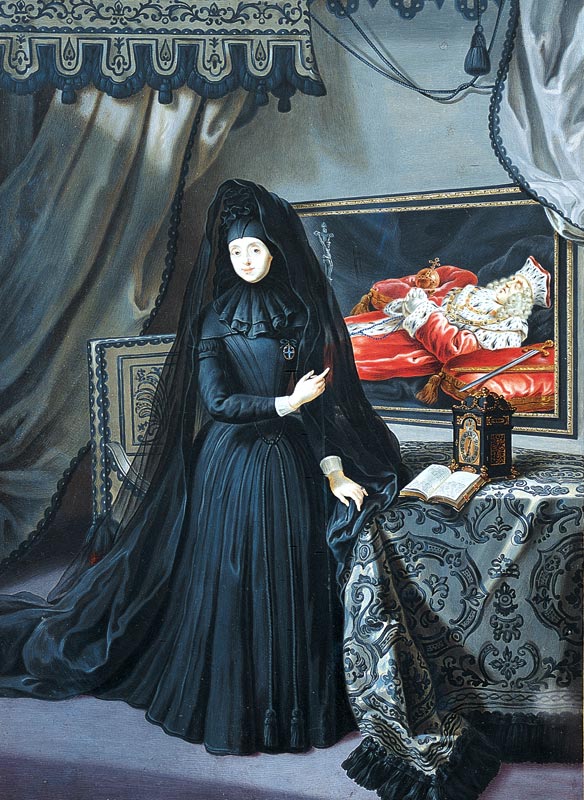
Early life and marriage
A daughter of Grand Duke Cosimo III, Anna Maria Luisa grew up amid the political and cultural life of Florence. As a princess of the Medici, she was involved in dynastic alliances of the time and later married John William, Elector Palatine. The marriage produced no heirs and she spent years between courts in Germany and Florence, ultimately returning to Tuscany where she exercised authority over family possessions.
Patronage and the Family Pact
Anna Maria Luisa acted as a careful patron and conservator of artworks, collections and residences. In 1737, with the male Medici line extinct on the death of her brother Gian Gastone, she secured what is known as the "Family Pact" (Patto di Famiglia): she bequeathed the Medici collections, including items housed at the Uffizi and the Palazzo Pitti, together with the treasures of the Medici villas, to the Tuscan state on the condition that they never be removed from Florence.
Legacy and importance
Because of this legal arrangement, many masterpieces that might otherwise have been dispersed across Europe remained in place, forming the core of several public galleries and museums in Florence. Her decision laid groundwork for modern museum collections in Tuscany and influenced later ideas about cultural heritage and public access to art.
Notable facts
- She is widely credited with preventing the dispersal of one of Europe's most significant private art collections.
- Her bequest helped transform private Medici holdings into public institutions that continue to attract scholars and visitors.
- Although the Medici dynasty ended with her, the cultural institutions she protected remain central to Florence’s identity.
Anna Maria Luisa de' Medici's prudent stewardship ensured that the artistic legacy of the Medici continued to be a public treasure rather than a scattered private inheritance, helping to preserve Florence as a major center of art and history.
Related articles
Author
AlegsaOnline.com Anna Maria Luisa de' Medici Leandro Alegsa
URL: https://en.alegsaonline.com/art/114272