
Alexander Dubček: Leader of the Prague Spring and Czechoslovak Reformist Politician
Alexander Dubček: Slovak reformist who led the 1968 Prague Spring promoting political openness and civil freedoms, ousted after a Warsaw Pact invasion, and later returned to public office after 1989.
Alexander Dubček (27 November 1921 – 7 November 1992) was a prominent Slovak political leader best known for his role in liberalizing reforms in Czechoslovakia during 1968. He rose to national leadership for a short but highly visible period and later returned to public life after the collapse of the communist regime.
Image gallery
9 Images
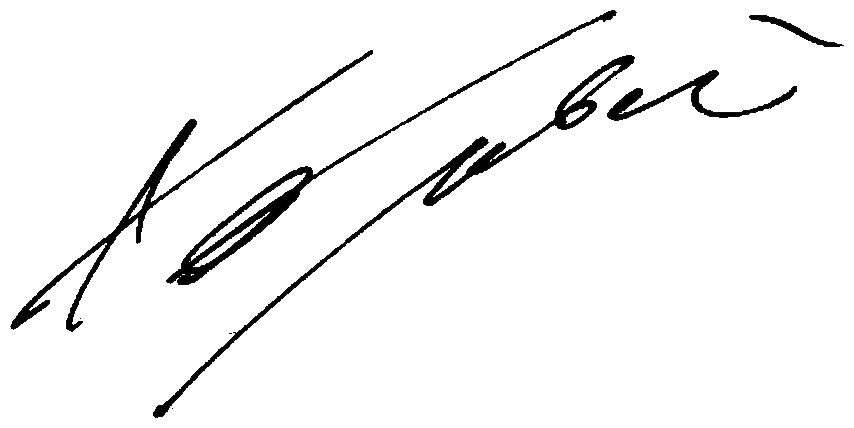


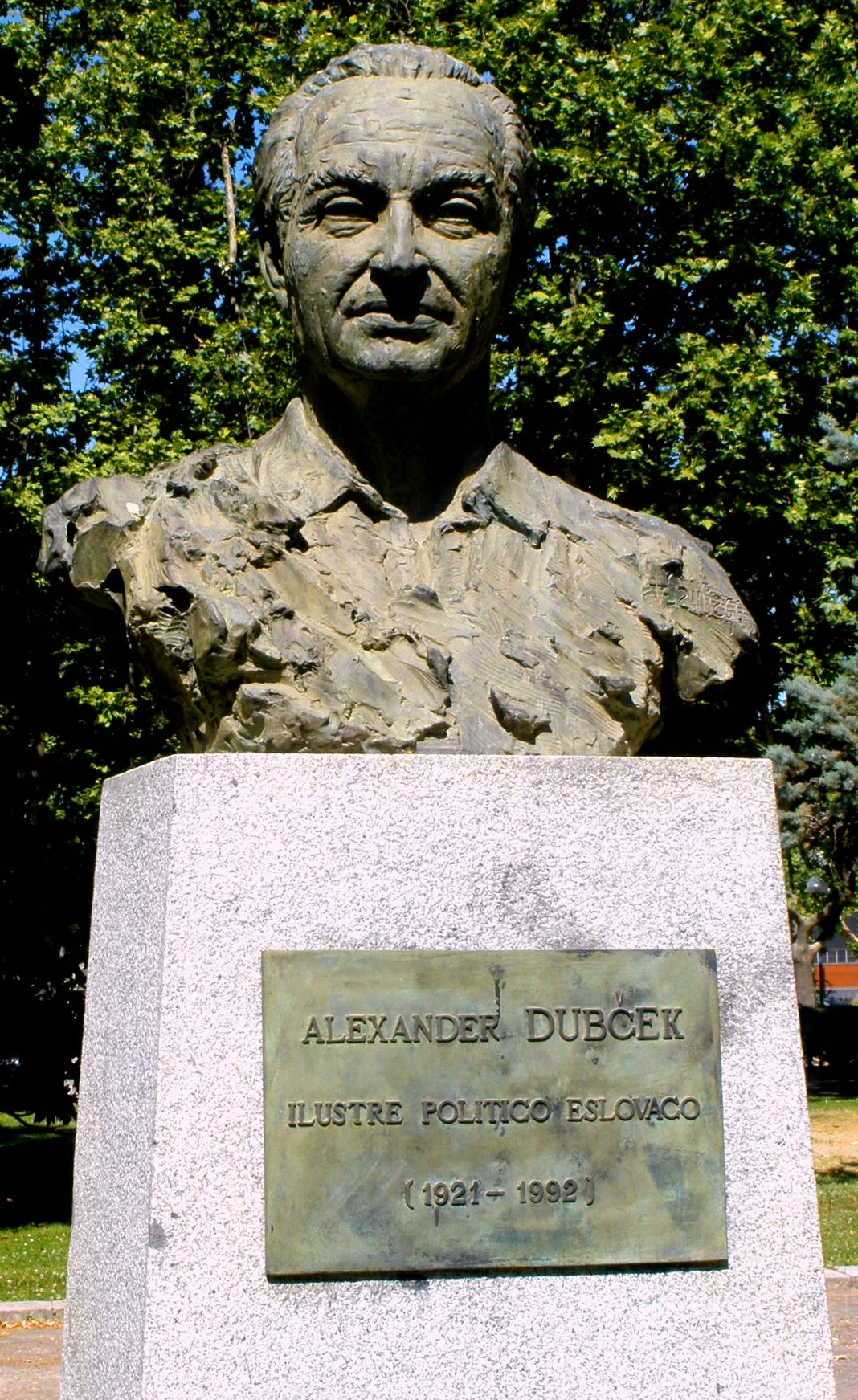

Rise to leadership
Born in what was then Czechoslovakia, Dubček became active in the Communist Party after World War II and advanced through party and state posts. In January 1968 he became First Secretary of the Communist Party of Czechoslovakia and began promoting a program of political and cultural openness intended to modernize the system and expand citizens' rights.
The Prague Spring and its suppression
Dubček's reform agenda — often summarized as "socialism with a human face" — loosened censorship, encouraged public debate, and introduced limited economic decentralization. These changes are commonly referred to as the Prague Spring. In August 1968 Warsaw Pact forces invaded Czechoslovakia to halt the reforms; Dubček was detained and taken to talks with Soviet leaders, and the program of liberalization was reversed. He remained formally in office for a period but was removed from real power in April 1969 and replaced by Gustáv Husák, who oversaw a return to stricter, pro-Soviet rule.
Later years and return to politics
Following years on the margins of public life and occasional political rehabilitation, Dubček re-emerged after the 1989 Velvet Revolution that ended communist rule in Czechoslovakia. He served in the federal parliament and held the position of Chairman of the Federal Assembly during the transition until 1992. Dubček remained a widely recognized symbol of the 1968 reform movement until his death later that year.
Dubček is remembered for attempting to reconcile socialism with greater personal and civic freedoms and for the moral authority he retained among many Czechs and Slovaks after the events of 1968.
Questions and answers
Q: Who was Alexander Dubček?
A: Alexander Dubček was a Slovak politician.
Q: What was Alexander Dubček known for?
A: Alexander Dubček was known for his attempt to change the communist government during the Prague Spring.
Q: What was the duration of Alexander Dubček's leadership in Czechoslovakia?
A: Alexander Dubček was briefly leader of Czechoslovakia from 1968-1969.
Q: What caused Alexander Dubček's resignation from leadership in Czechoslovakia?
A: Alexander Dubček was made to quit after the Warsaw Pact invasion of Czechoslovakia.
Q: Did Alexander Dubček return to politics after his resignation from leadership in Czechoslovakia?
A: Yes, Alexander Dubček became a politician again after the Velvet Revolution.
Q: Was Alexander Dubček a Slovak or a Czech politician?
A: Alexander Dubček was a Slovak politician.
Q: What is the name of the political movement that succeeded the Prague Spring in Czechoslovakia?
A: The name of the political movement that succeeded the Prague Spring in Czechoslovakia is the Velvet Revolution.
Related articles
Author
AlegsaOnline.com Alexander Dubček: Leader of the Prague Spring and Czechoslovak Reformist Politician Leandro Alegsa
URL: https://en.alegsaonline.com/art/113647
Sources
- nytimes.com : "Alexander Dubcek, 70, Dies in Prague"