
Alexander Calder (1898–1976)
American sculptor Alexander Calder pioneered kinetic sculpture with his mobiles and created large public ″stabiles″. He combined engineering, playful forms, and color to transform 20th-century sculpture.
Alexander Calder was an American sculptor whose work reshaped modern sculpture by introducing motion, balance, and playful abstract forms. Born July 22, 1898, and active through much of the 20th century, Calder became best known for suspended, moving constructions called mobiles and for large, stationary outdoor works often called stabiles. He spent important parts of his life working in the United States and in Europe, and his pieces are held by major museums and displayed in public plazas around the world.
Image gallery
10 Images


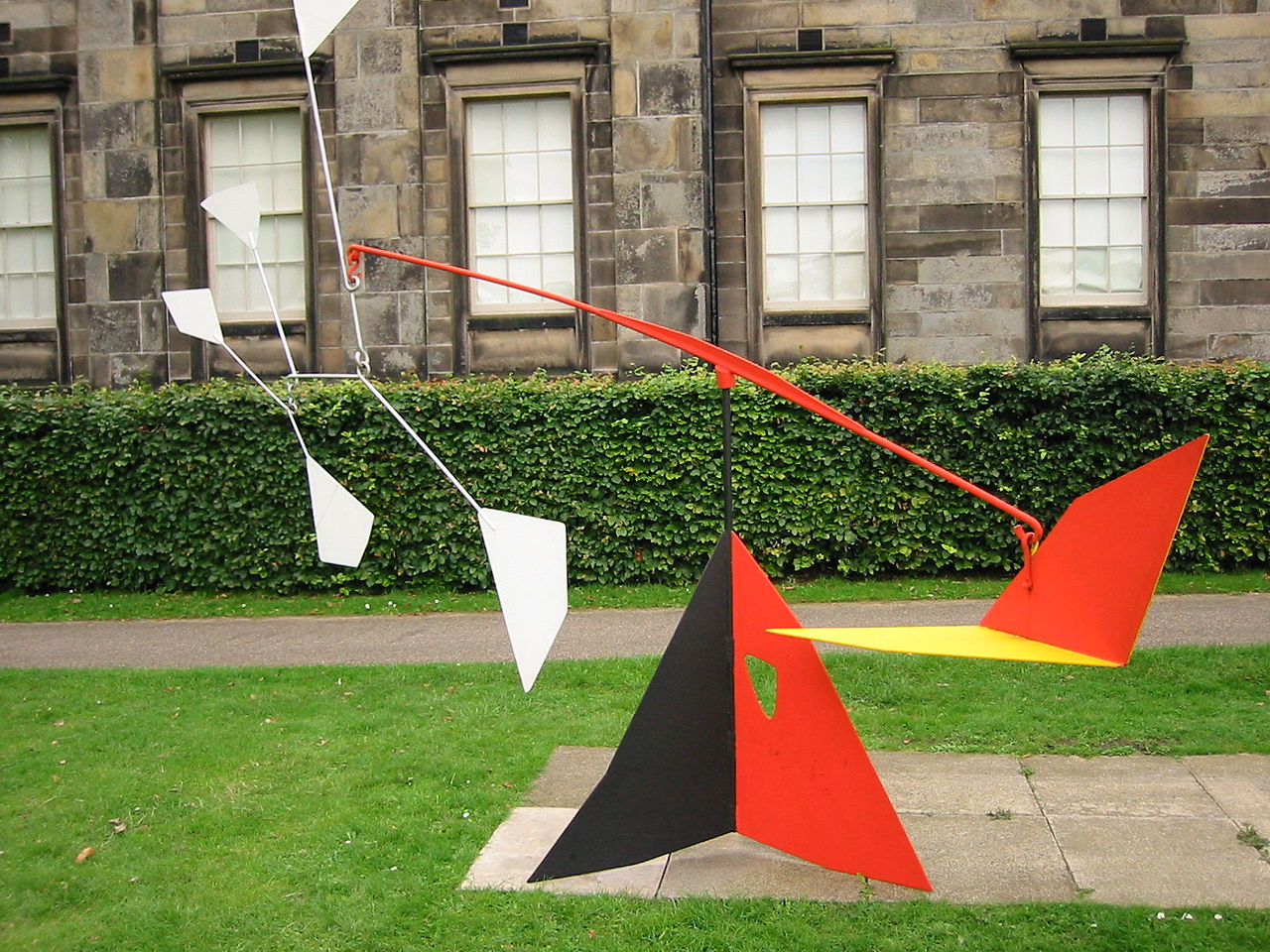

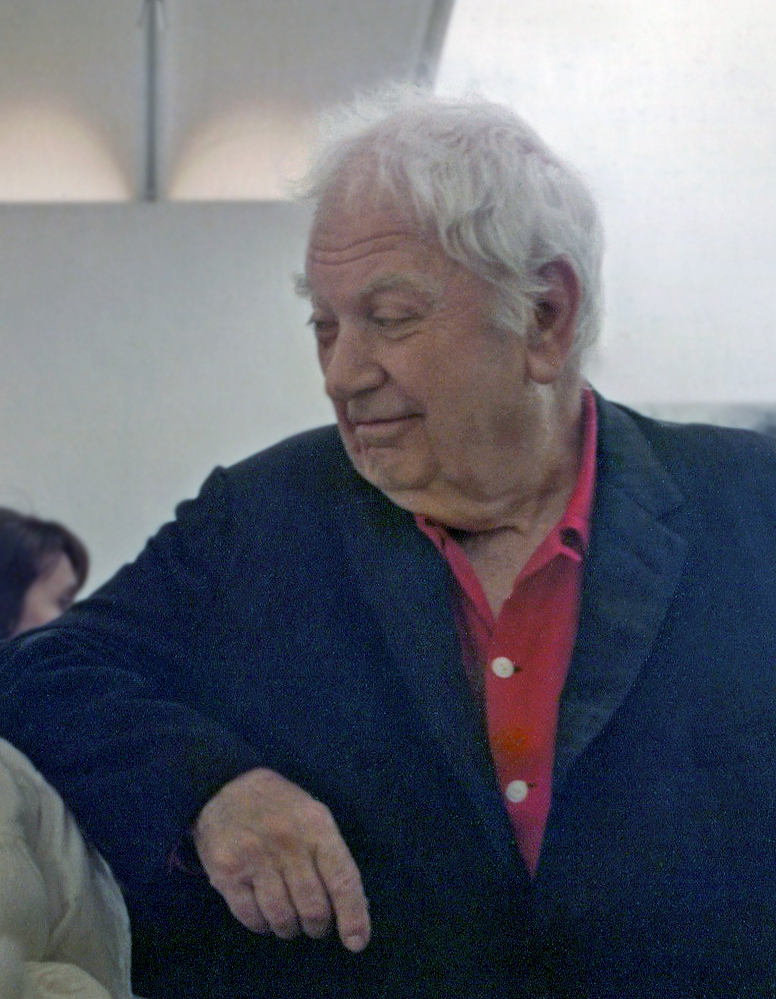
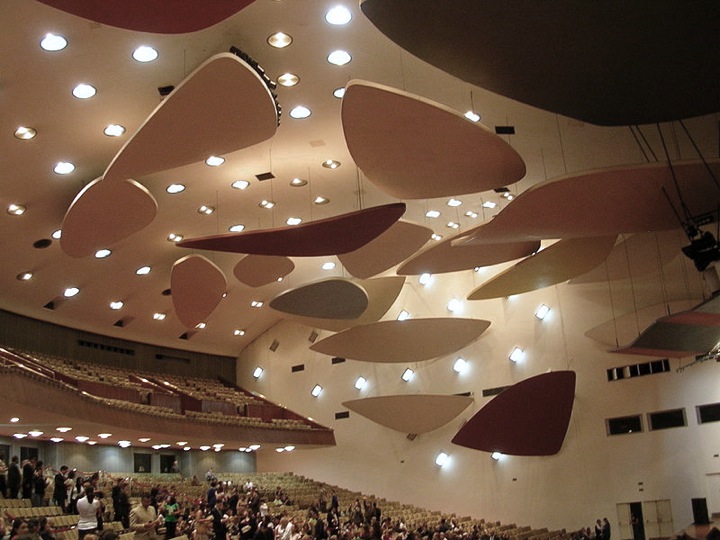


Artistic practice and materials
Calder drew on an understanding of mechanics and a strong sense of visual rhythm. He began making small wire figures and three-dimensional drawings that captured gesture and motion. He later expanded to mobiles—delicately balanced elements suspended from thin rods—and to welded, painted sheet-metal sculptures that occupied architectural and civic spaces. Common features of his work include simplified abstract shapes, careful balancing, primary colors, and an emphasis on movement generated by air currents or slight touch.
Development and notable projects
Calder developed his moving sculptures in the 1930s and built a reputation with both intimate works and monumental commissions. He created theatrical miniature performances called his "Circus" and produced many public installations that brought abstract sculpture into urban life. Examples often cited by museums and critics include Lobster Trap and Fish Tail, installed at a major modern art museum, and large-scale works such as La Grande Vitesse and Flamingo that anchor plazas in American cities. For background on his life and career see Calder biography.
Characteristics and variations
- Mobiles: Suspended, kinetic assemblages that move with air currents or touch; they explore balance and changing composition. See more on kinetic sculpture: kinetic art overview.
- Stabiles: Stationary, often monumental metal forms that emphasize mass, silhouette, and relationship to site.
- Wire sculptures and performances: Early works captured movement and humor; his "Circus" series combined craft, animation, and storytelling.
Calder's influence extends to generations of sculptors and designers who explore motion, engineering, and public art. His work bridged craft and high modernism, inviting viewers to experience changing form over time. For discussions of his techniques and legacy consult dedicated resources: more on Calder's context and an introduction to mobiles.
Related articles
Author
AlegsaOnline.com Alexander Calder (1898–1976) Leandro Alegsa
URL: https://en.alegsaonline.com/art/113644