
Abel Ferrara: American filmmaker known for gritty, controversial cinema
Abel Ferrara (born 1951) is an American director from the Bronx noted for raw urban dramas, moral ambiguity, and religious themes. His work spans independent crime films, psychological studies, and provocative art cinema.
Overview
Abel Ferrara (born July 19, 1951) is an American filmmaker whose work is often associated with gritty, low‑budget urban drama and provocative subject matter. Raised in The Bronx and based for much of his career in New York City, Ferrara gained attention for films that probe violence, culpability, addiction and spiritual crisis. Critics and audiences have frequently described his movies as confrontational and morally unflinching; some viewers find them disturbing, while others praise their raw honesty and moral complexity (controversial content).
Image gallery
3 Images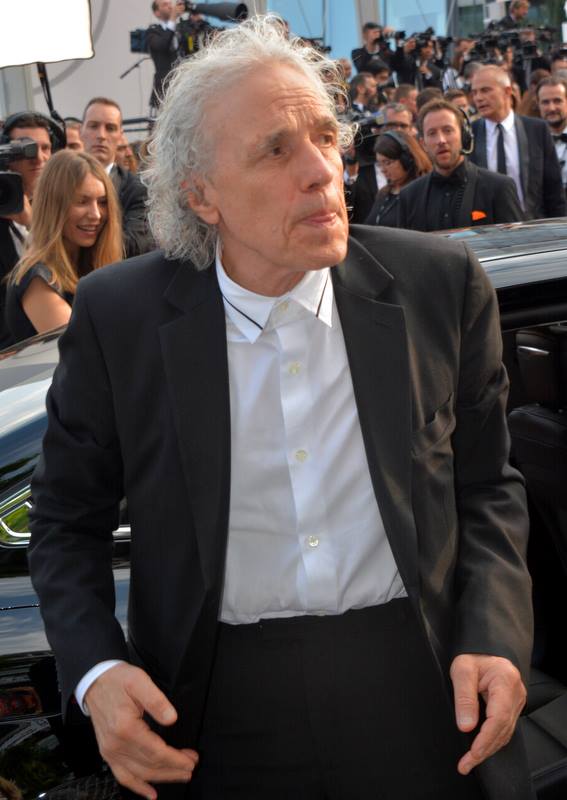


Themes and style
Ferrara's films commonly explore guilt, redemption and faith, often filtered through the language of crime drama and psychological realism. He blends stark urban settings with intimate character study, using handheld camerawork, rough editing and an improvisational approach to performance. Religious and ethical questions recur throughout his work, resulting in films that feel both cinematic and confessional. These stylistic choices place him in the lineage of American independent directors who favor atmosphere and character over glossy production values.
Career highlights
Ferrara began making films in the late 1970s and emerged in the 1980s with a series of provocative genre pictures. Early success came with the vigilante thriller Ms. 45 (1981). He moved between crime sagas and more experimental projects, directing notable titles such as King of New York (1990) and the morally intense Dangerous Game. His 1992 film Bad Lieutenant became one of his most discussed works for its uncompromising portrait of sin and atonement. Later films include The Funeral (1996), R Xmas (2001) and the religiously inflected Mary (2005), which directly engages images and ideas connected to Jesus Christ.
Development and influences
Born and raised in a working‑class New York neighborhood, Ferrara drew early inspiration from the city's streets, as well as from European art cinema and American crime film traditions. His background and urban environment influence both setting and moral landscape in his films. Over decades he has alternated between tightly plotted crime narratives and looser, contemplative works that foreground spiritual inquiry and personal crisis.
Reception and legacy
Responses to Ferrara's films have often been polarized. Admirers value his willingness to tackle difficult subjects and his capacity to create intense emotional atmospheres; detractors criticize his use of graphic imagery and at times chaotic storytelling. Nevertheless, his influence is visible in contemporary independent cinema that seeks to combine genre elements with philosophical concerns. Ferrara is widely regarded as an important voice in late‑20th and early‑21st century American independent film (biographical profile).
Selected filmography
- Ms. 45 (1981)
- Cat Chaser (1989)
- King of New York (1990)
- Bad Lieutenant (1992)
- The Funeral (1996)
- Dangerous Game (1993)
- R Xmas (2001)
- Mary (2005)
For further reading and interviews see the director's profiles and retrospectives: biography, critical essays and festival coverage (filmmaker pages, analysis of controversial works). Additional background on his New York roots and public reception is available in local and international film studies resources (Bronx history, New York City cinema). Contemporary discussions of religion in his work point readers to studies concerning depictions of Jesus Christ and faith in modern film (Mary and related projects).
Ferrara's portfolio remains a focal point for debates about the role of moral ambiguity and transgression in art cinema; his films continue to be shown at festivals, retrospectives and in academic discussions of late 20th‑century independent film culture.
Related articles
Author
AlegsaOnline.com Abel Ferrara: American filmmaker known for gritty, controversial cinema Leandro Alegsa
URL: https://en.alegsaonline.com/art/113232
Sources
- marriedbiography.com : "Abel Ferrara"
- sunsigns.org : "Abel Ferrara"
- wikidata.orgQ262608.html : wikidata.orgq262608.html
- catalogo.bne.es : XX1127826
- catalogue.bnf.fr : cb13748112t
- data.bnf.fr : (data)
- d-nb.info : 121928748
- isni.org : 0000 0001 2121 0611
- id.loc.gov : n98021618
- musicbrainz.org : dbf10c6b-6c71-4eeb-8926-926e061c47d3
- aleph.nkp.cz : js20060303004
- nl.go.kr : KAC201201179
- data.bibliotheken.nl : 08021844X
- libris.kb.se : 243044
- snaccooperative.org : w6f19514