
Abel Tasman: Dutch navigator who first sighted Tasmania and New Zealand
Dutch seafarer Abel Tasman (1603–1659) led VOC voyages that produced the first recorded European sightings of Tasmania and New Zealand and mapped parts of Australia.
Abel Janszoon Tasman (c. 1603–1659) was a Dutch mariner and explorer employed by the Dutch East India Company (VOC). He is best known for leading mid-17th century voyages that produced the first recorded European sightings of what are now called Tasmania and New Zealand, and for mapping previously uncharted stretches of the Australian coastline (Australia).
Image gallery
10 Images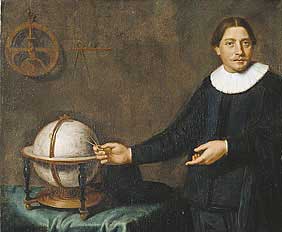


Early life and service with the VOC
Tasman was born in the province of Groningen in the Dutch Republic (Holland) and later entered the service of the VOC. He spent long periods in the East Indies, living and working in Batavia (Jakarta) and on other regional assignments. Records show voyages to trading centers including a trip north toward Japan and movements through Southeast Asian ports such as Palembang.
Major voyages and discoveries
In 1642 Tasman commanded a VOC expedition sent to explore lands to the east of the Indian Ocean and south of the Pacific. During that voyage he encountered the large island he named Van Diemen's Land (later renamed Tasmania) and sailed on to chart parts of an island group that he called Staten Landt and Nova Zeelandia, later identified as New Zealand. Encounters with indigenous peoples were limited and at times hostile; some interactions ended in violence and were reported back in the VOC logs.
Later work and charts
After his first major expedition Tasman continued to serve the VOC and carried out further surveying and transport duties. A subsequent voyage in the mid-1640s improved European knowledge of the north Australian coastline and placed additional markers on contemporary charts. His charts and reports were used by navigators and mapmakers even though the Dutch never sought permanent settlement of these territories.
Legacy and significance
Tasman's voyages had long-term geographic and cultural effects: place names, including the Tasman Sea and the island of Tasmania, commemorate him, and his name appears in parks and towns in both Australia and New Zealand. Modern historians view his work as an important step in European exploration of the southern Pacific: it extended maps, established first contacts, and shaped later European navigation in the region.
Notable facts
- Tasman sailed for the Dutch maritime service that expanded global trade routes.
- His 1642 voyage produced the first European-recorded sighting of Tasmania and of parts of New Zealand.
- His work connected VOC trading hubs such as Batavia with distant exploration missions.
- Before and after his famous voyage he travelled across the East Indies, visiting ports like Palembang and sailing toward Japan.
Questions and answers
Q: Who was Abel Tasman?
A: Abel Tasman was a Dutch sea explorer.
Q: What significant discoveries did Abel Tasman make during his voyages?
A: Abel Tasman discovered Tasmania and New Zealand during his voyages in 1642 and 1644, respectively.
Q: What company was Abel Tasman in service for during his voyages?
A: Abel Tasman was in service of the VOC (Dutch East India Company) during his voyages.
Q: What other significant sighting did Abel Tasman make during his voyages?
A: Abel Tasman made the first historical sightings of large parts of Australia.
Q: Where was Abel Tasman born?
A: Abel Tasman was born in Groningen, Holland.
Q: When did Abel Tasman first start working for the VOC?
A: Abel Tasman first started working for the VOC in 1633.
Q: Where did Abel Tasman go in 1640?
A: Abel Tasman went north to Japan in 1640.
Related articles
Author
AlegsaOnline.com Abel Tasman: Dutch navigator who first sighted Tasmania and New Zealand Leandro Alegsa
URL: https://en.alegsaonline.com/art/113235
Sources
- nndb.com : "Tasman discovered Tasmania and New Zealand"