
Adze: traditional woodworking tool for shaping and hollowing timber
An adze is a hand tool with its blade set at right angles to the handle, used since the Stone Age for carving, smoothing, and hollowing wood; it evolved from flaked stone to metal and remains used in crafts and boatbuilding.
Overview
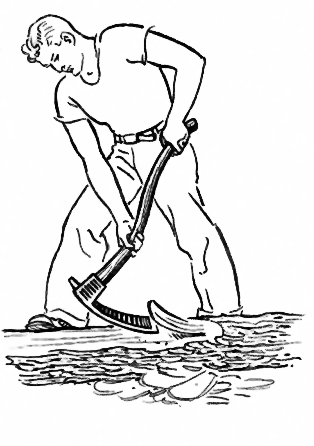
An adze is a cutting implement whose blade is fixed perpendicular to the handle, rather than in line with it as on an axe. That right-angled mounting makes the adze especially effective for removing thin shavings, hollowing timber, and producing smooth surfaces on curved pieces. Adzes appear in many cultures and sizes, from small carving tools to large timber-adzing implements used in heavy carpentry and boatbuilding. They are a central implement in traditional wood shaping and finishing.
Image gallery
10 Images



Parts and common types
Most adzes have a few basic components: a head with a cutting bit, an eye or socket where the handle fits, and a haft or handle long enough for the intended stroke. Common varieties include hand adzes for fine work, foot or shipwright adzes for large timbers, and specialized hollowing adzes for bowls and canoes.
- Head/bit: the cutting steel or stone edge.
- Cheek: the sides of the head that connect the bit to the eye.
- Haft/handle: shaped to give control for a chopping or drawing stroke.
Traditional woodworkers practicing hand woodworking select an adze by bit shape and handle length to suit planing, scooping, or finishing.
History and development
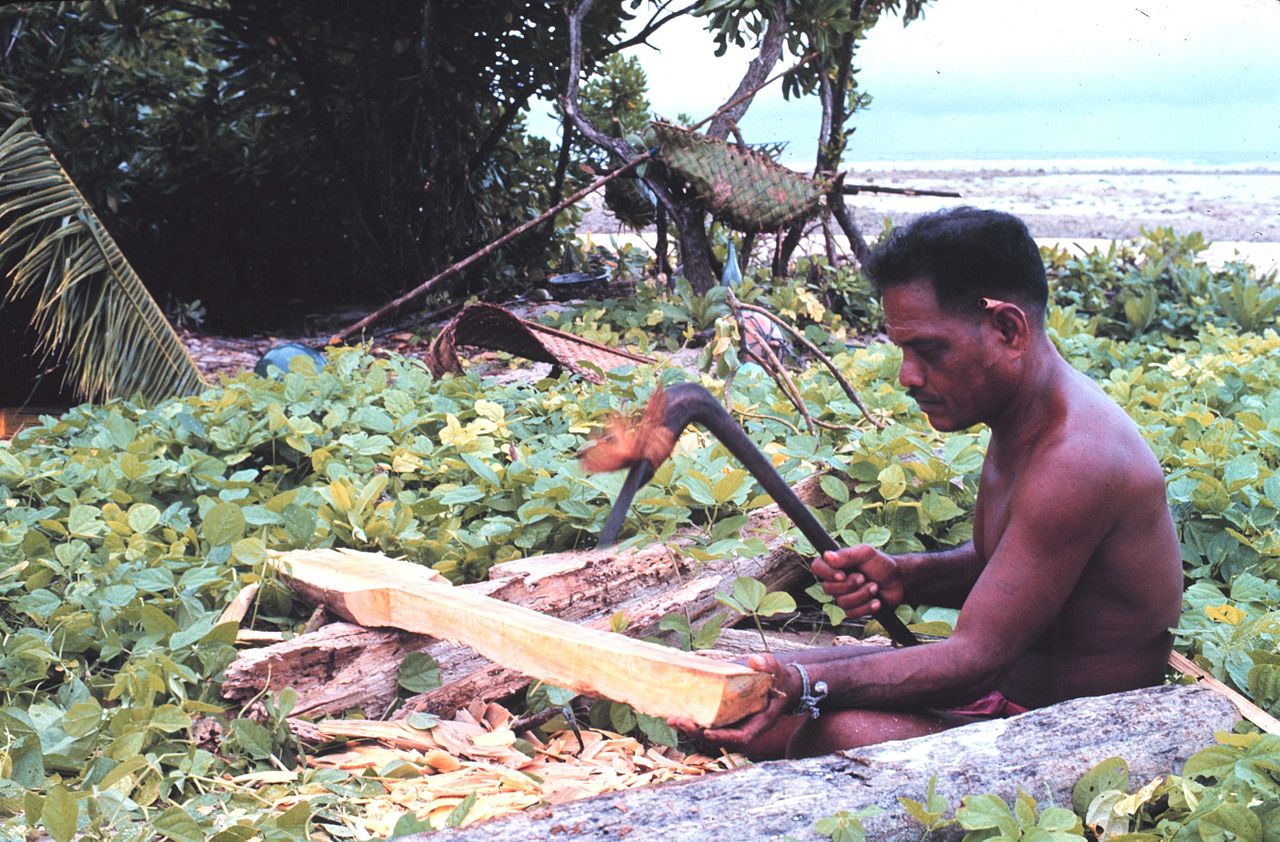
Adzes are among the oldest edge tools. Prehistoric examples include flaked and ground forms: early makers struck and shaped cutting edges from stone such as flint. Examples date to the Mesolithic period and later the Neolithic, as communities moved from nomadic life to settled woodworking and construction. With the advent of metallurgy, bronze and then iron adze heads became common, improving durability and cutting performance. The tool spread and adapted regionally, from European timber framing to Polynesian canoe carving.
Uses and significance
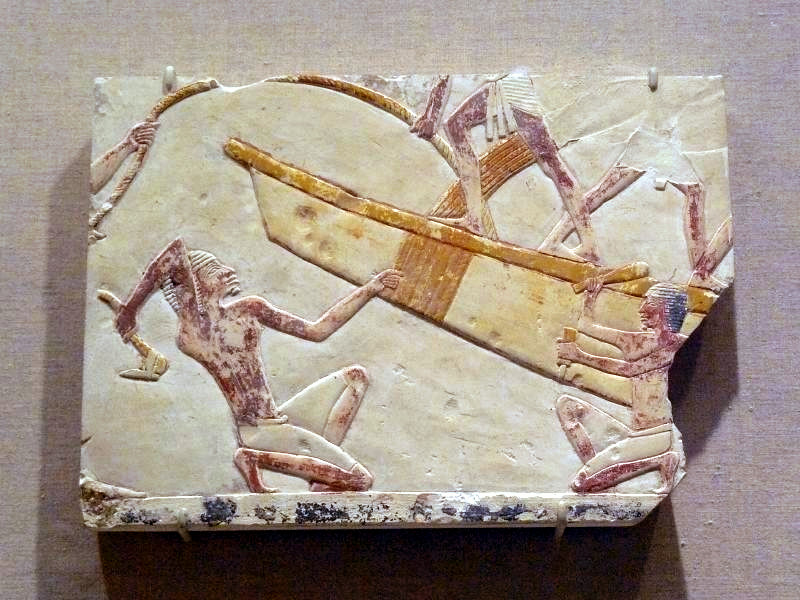
Adzes are used to shape beams, flatten log surfaces, hollow out bowls and canoes, and texture surfaces for joinery or decorative work. Shipwrights historically relied on large adzes to square and faired planks; sculptors and furniture makers use smaller variants for controlled carving. In many traditions the adze remains essential to heritage crafts and restoration projects.
Distinctions and related tools
An adze differs from an axe primarily by blade orientation and typical motion: an adze is drawn or swung so the blade meets wood in a slicing, planing action across the grain. A mattock, by contrast, combines an adze-like blade with a pick or grubber and is designed for digging and breaking soil rather than fine wood shaping. Modern power tools replicate some adzing functions, but hand adzes retain advantages in control, feel, and the ability to work curved surfaces.
Adzes illustrate a long technological continuity: from stone flaked and ground implements in the Mesolithic and Neolithic eras to metal-headed tools used worldwide today. Craftspeople and historians study antique adzes to understand past construction methods and to preserve traditional woodworking skills.
Related articles
Author
AlegsaOnline.com Adze: traditional woodworking tool for shaping and hollowing timber Leandro Alegsa
URL: https://en.alegsaonline.com/art/1131