
Ancient Egyptian agriculture: crops, irrigation, economy and cultural role
Agriculture in ancient Egypt relied on the Nile's annual flood, producing staples such as emmer and barley, flax for fiber, and diverse orchards and gardens. It shaped economy, labor, technology and religious life.
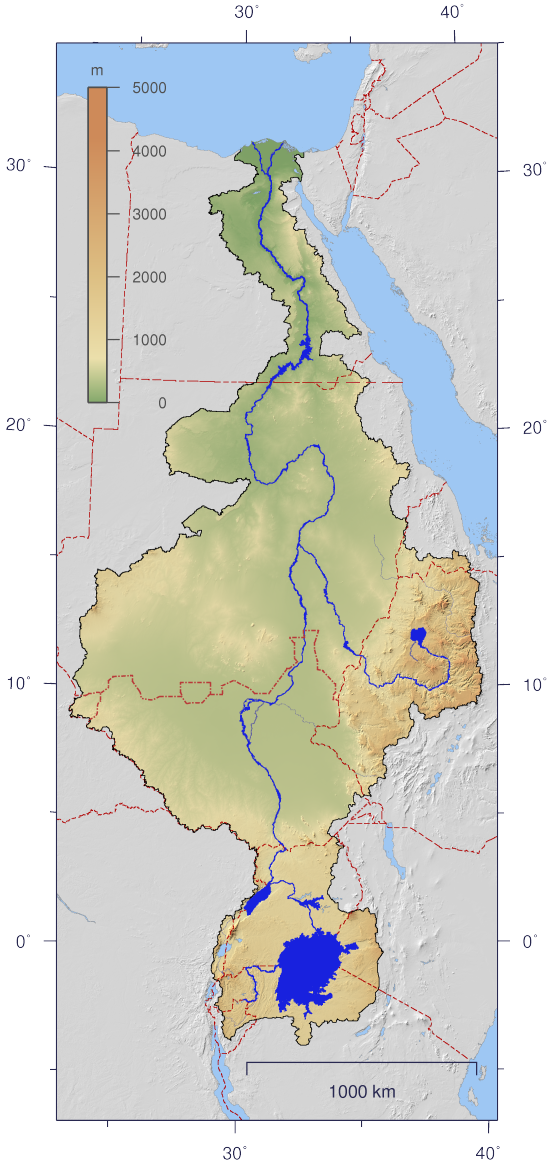
Ancient Egyptian agriculture developed along the narrow Nile valley and depended on the river's predictable seasonal rise. Farmers made use of the fertile silt deposited by the annual inundation to grow a range of staple food crops, and they organized planting and harvest around a seasonal calendar tied to the flood. The Nile also served as a transport route for grain, tools and labor, concentrating much activity in the floodplain rather than the surrounding desert. The earliest evidence of organised irrigation in the Nile area dates to the late fourth millennium BC, and systems evolved continuously thereafter (irrigation).
Image gallery
6 Images


Crops and land use
The agrarian economy combined cereals, fiber crops, orchards and vegetables. Primary grains were emmer and barley; emmer was a principal form of ancient wheat used for bread while barley was widely used for bread and brewing. Farmers also cultivated flax for linen and for oil extraction. Orchards produced dates, figs, pomegranates and grapes in managed plots (orchards), and vegetables and herbs were tended in household and community gardens close to settlements. Unlike the inundated planting basins, many gardens and orchards were located on higher ground or protected parcels of land to avoid seasonal flooding of the Nile river.
Water management and techniques
The characteristic irrigation method called basin or floodplain agriculture used temporary embankments to trap floodwaters and allow silt to settle before planting. Over time, canals, diversion channels and water-lifting devices such as the shaduf supplemented the simple basins, enabling irrigation beyond the immediate flood zone. Farmers worked with hand tools, wooden ploughs often pulled by cattle, bronze sickles for reaping and simple mechanisms to move water. Maintenance of irrigation infrastructure required collective effort and seasonal coordination among villages, landowners and authorities (irrigation).
Animals, tools and labour
Domesticated animals—oxen, cattle, sheep, goats and donkeys—supported ploughing, transport and provided secondary products such as milk, wool and hides. Tools were generally made from wood, stone or metal and were maintained as part of household economies. Labour ranged from family plots and hired hands to organized communal work and state-directed corvée obligations used to operate canals, build levees and manage storage facilities.
Storage, administration and economic role
Grain storage was central to resilience and state finance. Villages and temple estates maintained granaries and magazines to store surplus for lean seasons, to provision workers and to support redistribution by local elites and central authorities. Because surplus agriculture financed craftsmen, soldiers and the royal household, farming formed the backbone of the ancient Egyptian economy. Administrative records, lists and collection accounts preserved in inscriptions and papyri document contributions, rents and labour obligations connected with agricultural production.
Cultural significance and legacy
Agriculture shaped religious practice and symbolism: fertility deities and rites—most prominently associated with the cult of Osiris—reflected ideas of soil renewal and cyclical death and rebirth tied to the inundation. Seasonal festivals marked sowing and harvest, and agricultural metaphors pervade art and literature. Egypt's ability to produce reliable crops made it a major regional supplier of food and agricultural goods in antiquity, and its methods of basin irrigation, crop storage and organised rural administration influenced farming in the eastern Mediterranean and beyond (staple crops overview, grain cultivation, flax and textiles).
Environmental factors and change
The Nile's regularity was an advantage, but agricultural success remained vulnerable to variations in flood levels, salinisation of soils in some areas and the limits of arable land along the valley. Over centuries, Egyptians adapted by extending canals, managing crop rotations and diversifying production with vegetables, fruit and tree crops. Archaeological and textual evidence reveals local variation in practice and gradual technological change rather than abrupt innovation.
Further resources
- Wheat varieties and ancient cereals.
- Barley uses in food and brewing.
- Clothing materials and textile production from flax.
- Orchard management and garden layouts.
- Vegetable gardens and household horticulture.
- Garden types and urban cultivation.
- Nile river studies and hydrology.
- Oil production from seeds and fruits.
For summaries of archaeological finds and translations of agricultural texts that document seasonal practice, irrigation works and administrative systems, consult specialist surveys and accessible syntheses of Egypt's rural economy (irrigation history, economic role).
Questions and answers
Q: What was the first agriculture practice to be practiced on a large scale?
A: Ancient Egyptian agriculture was probably the first to be practiced on a large scale.
Q: What were some of the staple food crops grown by the ancient Egyptians?
A: The ancient Egyptians grew grains such as emmer (a variety of wheat) and barley.
Q: When was the earliest evidence of irrigation in the Nile area found?
A: The earliest evidence of irrigation in the Nile area is about 3100 BC.
Q: What other crops did the ancient Egyptians grow besides grains?
A: The ancient Egyptians also grew flax for clothing and oil. Orchards and vegetable gardens were also common.
Q: What was the basis of the ancient Egyptian economy?
A: Agriculture was the basis of the ancient Egyptian economy.
Q: What did agriculture provide for the people of ancient Egypt?
A: Agriculture gave work and food for the people of ancient Egypt.
Q: What was Egypt's role in the ancient world's food supply?
A: Egypt was the breadbasket (main provider of food) for much of the ancient world.
Tags
Related articles
Author
AlegsaOnline.com Ancient Egyptian agriculture: crops, irrigation, economy and cultural role Leandro Alegsa
URL: https://en.alegsaonline.com/art/3839
Sources
- waterhistory.org : Postel, Sandra. Egypt's Nile Valley basin irrigation