
Bicol Region (Region V) — Philippines
Region V of the Philippines, comprising six provinces on the Bicol Peninsula and nearby islands. Noted for Mayon Volcano, active volcanic landscape, spicy Bicolano cuisine, coastal fisheries and distinct languages and traditions.
Overview
The Bicol Region, officially designated Region V, is an administrative and geographic area in the southeastern part of Luzon in the Philippines. Its regional center and largest city is Legazpi City. The region includes a mix of mainland and island provinces and is recognized for dramatic volcanic cones, long coastlines and a strong regional identity. For general orientation see regional resources and for national context see the Philippines.
Image gallery
10 Images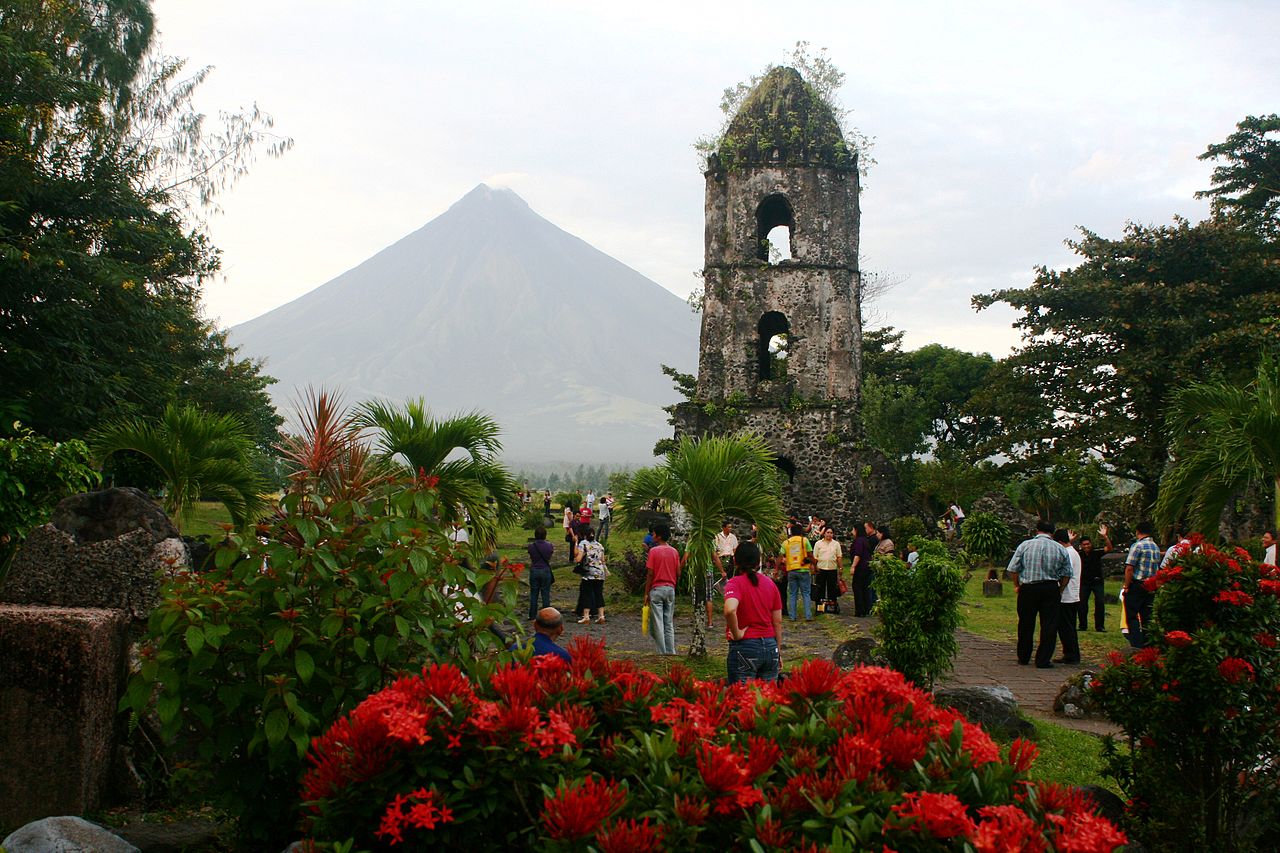





Geography and provinces
Bicol occupies the southernmost part of Luzon and adjacent islands. It is composed of six provinces: four on the Bicol Peninsula and two island provinces. The peninsula offers steep uplands, river valleys and wide coastal plains that support agriculture and fishing.
- Albay
- Camarines Norte
- Camarines Sur
- Sorsogon
- Catanduanes (island)
- Masbate (island)
For administrative details and maps of the constituent provinces consult the provincial overview at provinces and local government.
Volcanoes, landscape and environment
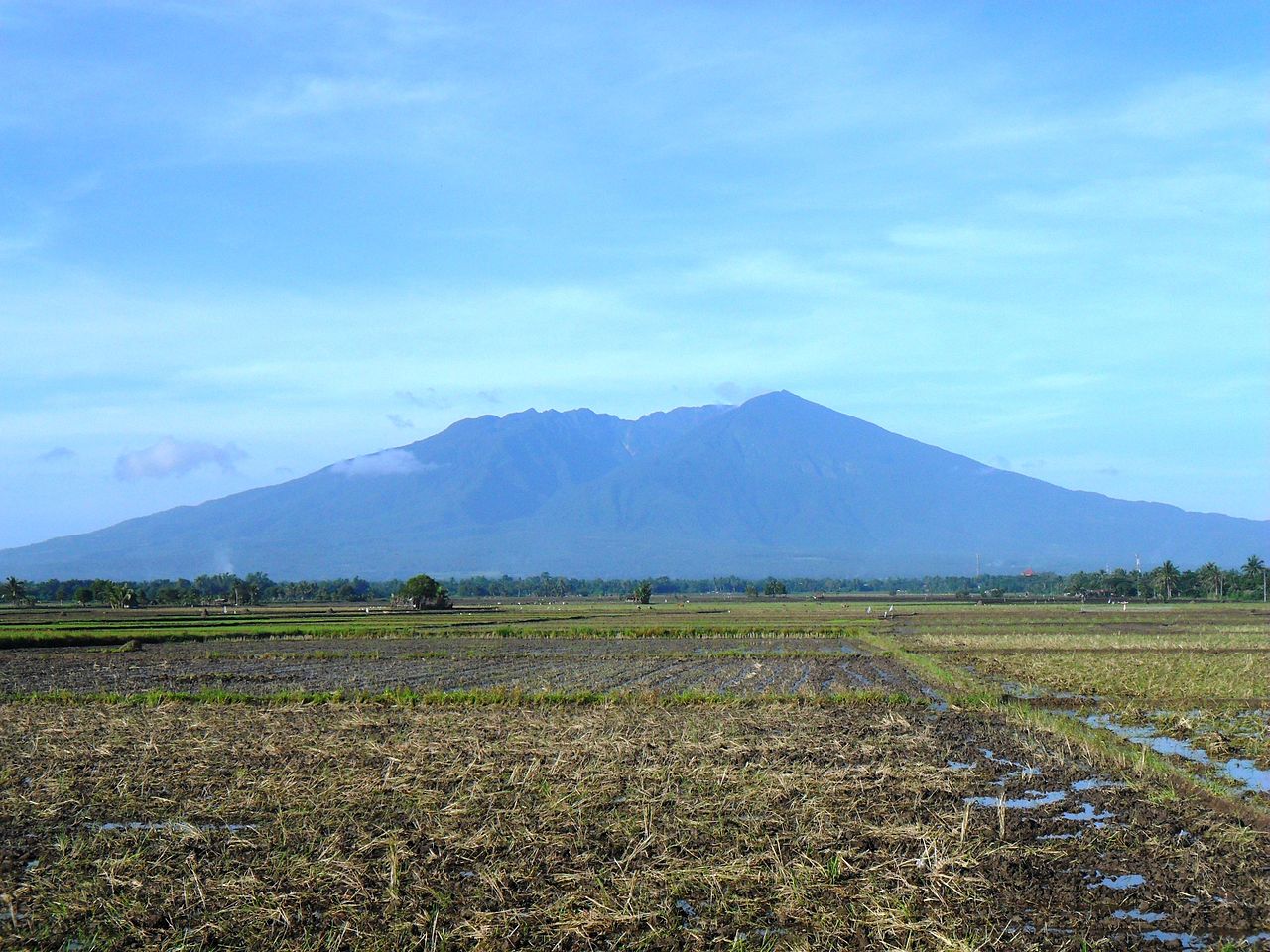
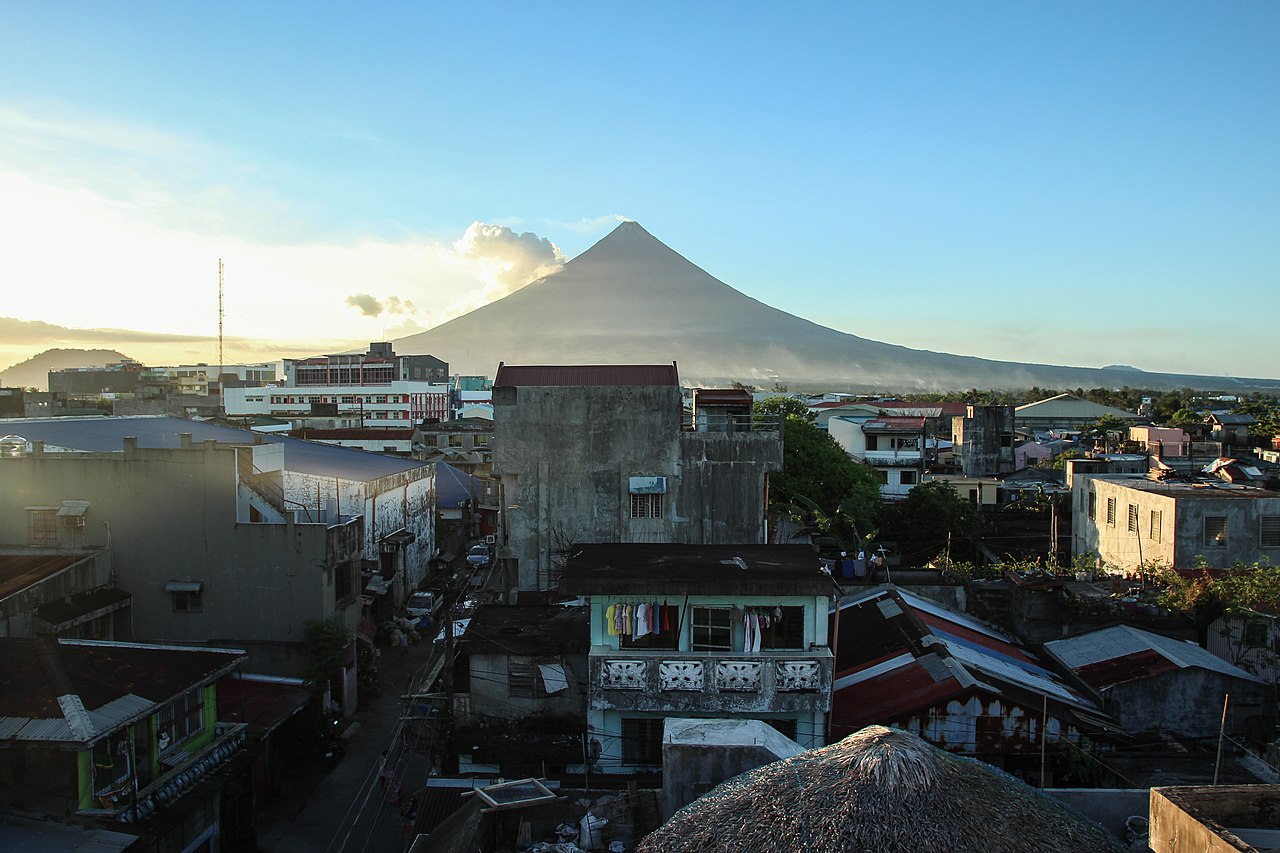
The region is volcanically active and geologically young. Mount Mayon in Albay, famed for its near-perfect cone, is the most prominent landmark. Mount Bulusan is another active volcano located in Sorsogon and is often noted in discussions of regional hazards and ecology; further reading about local volcanic activity is available at volcanic activity resources. The combination of volcanic soils, coral reefs and upland forests supports diverse habitats and important agricultural land.
History, language and culture
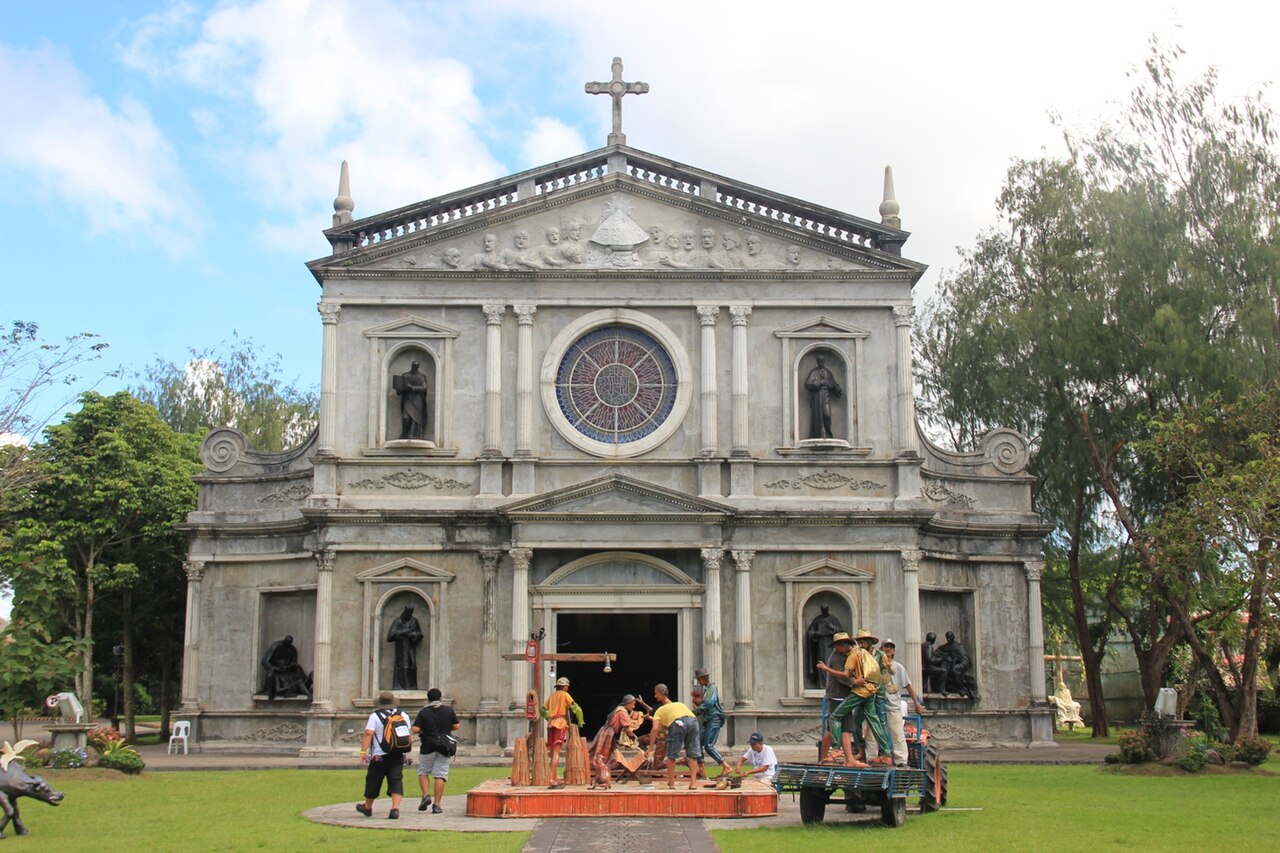
Bicol has a history shaped by pre‑colonial Austronesian settlement, Spanish colonial administration and post‑colonial Philippine development. The people speak several Bikol or Bicolano languages and dialects, which form a distinct linguistic group within the Philippines. Catholic traditions and annual religious festivals coexist with local folk practices; notable events draw pilgrims, visitors and contribute to community identity.
Economy, cuisine and tourism
Economic activity in the region centers on agriculture, fisheries, small‑scale manufacturing and tourism. Fertile volcanic soils sustain rice, root crops and coconut production, while coastal waters support fishing. Bicol is widely known for its spicy, coconut‑based dishes—often featuring chili peppers and seafood—which are popular both locally and nationally. Tourist attractions include volcano viewing, beaches and cultural festivals; eco‑tourism and adventure travel have grown in recent years.
Risks, conservation and travel notes
Bicol's active geology and location in a typhoon corridor mean that natural hazards—volcanic eruptions, earthquakes and severe storms—are important considerations for residents and visitors. Conservation efforts target coastal reefs, mangroves and upland forests to protect biodiversity and livelihoods. Travelers planning to visit should check local advisories and respect protected areas and cultural sites.
Quick facts and notable points
- Region code: Region V (Bicol).
- Regional center: Legazpi City.
- Six provinces, including two island provinces.
- Prominent volcanoes: Mayon and Bulusan.
- Distinctive cuisine and strong regional cultural traditions.
Questions and answers
Q: What is the Bicol Region?
A: The Bicol Region is a region of the Philippines, also known as Region V.
Q: What is the regional center and largest city of the Bicol Region?
A: The regional center and largest city of the Bicol region is Legazpi City.
Q: How many provinces does the Bicol Region have?
A: The Bicol Region has six provinces.
Q: What are the names of the four provinces in Bicol Peninsula?
A: The four provinces in Bicol Peninsula are Albay, Camarines Norte, Camarines Sur, and Sorsogon.
Q: Which are the two island provinces in the Bicol Region?
A: The two island provinces in the Bicol Region are Catanduanes and Masbate.
Q: Which is the tallest volcano in the Bicol Region?
A: Mayon is the tallest volcano in the Bicol Region.
Q: Which other active volcano is present in the Bicol Region?
A: Mount Bulusan is the other active volcano in the Bicol Region.
Related articles
Author
AlegsaOnline.com Bicol Region (Region V) — Philippines Leandro Alegsa
URL: https://en.alegsaonline.com/art/11261
Sources
- psa.gov.ph : "Region V (Bicol Region)"
- dilgbicol.org : "DILG Regional Office No. 5 Directory" · web.archive.org
- bicol.da.gov.ph : "Overview of Bicol Region"