
2002 Bali bombings: Kuta nightclub attacks and aftermath
A coordinated bombing in Kuta, Bali on 12 October 2002 killed 202 people and injured many. The attack targeted tourist venues and prompted international investigations, trials, and long-term security changes.
Overview: On 12 October 2002 a series of bomb explosions struck the tourist district of Kuta on the Indonesian island of Bali. The assault, directed at busy bars and nightclubs frequented by travellers, became the deadliest recorded act of terrorism in the country's modern history. Official counts attributed 202 deaths and many more injured; a large proportion of victims were foreign visitors.
Image gallery
10 Images


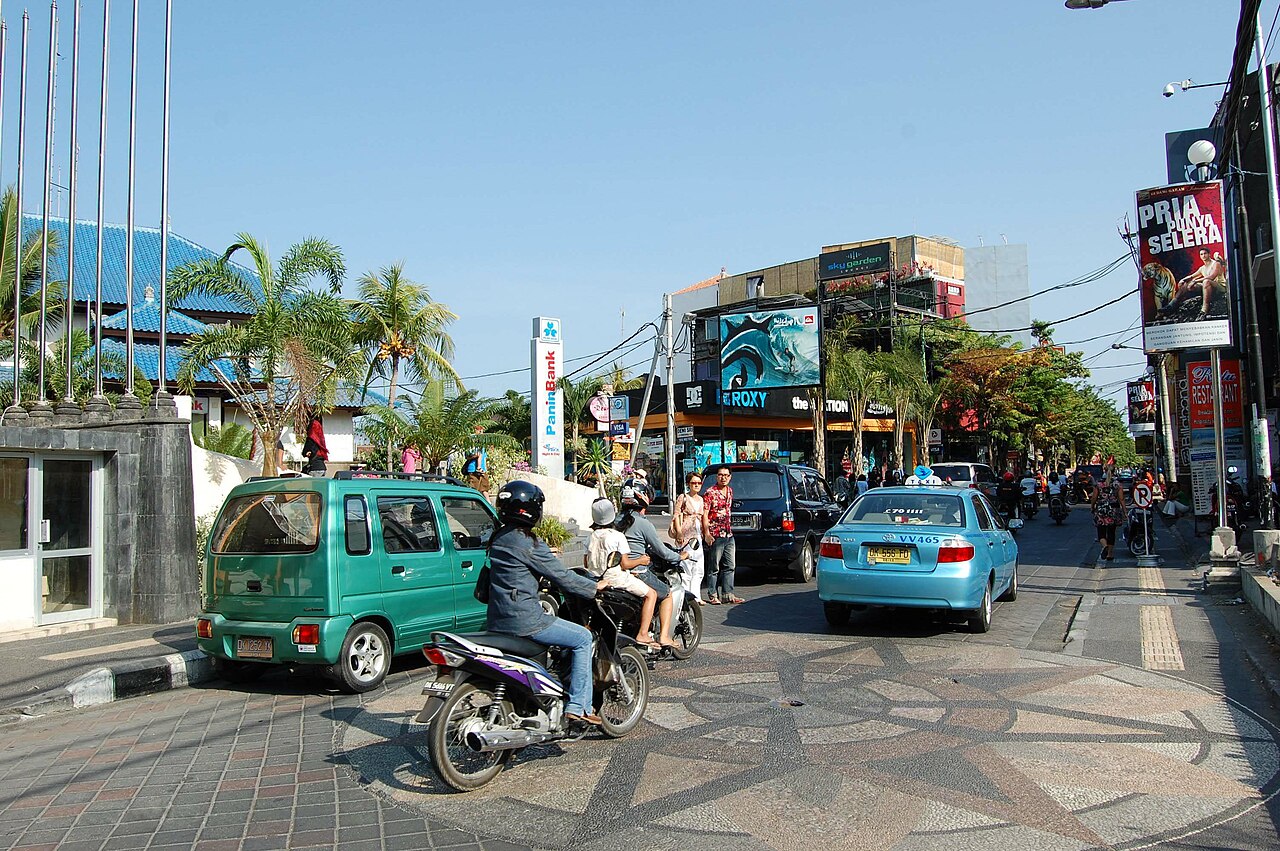


What happened
The bombs detonated in and around crowded entertainment venues late at night. Explosives struck places where international tourists usually gathered, causing catastrophic loss of life and large-scale damage to buildings. Emergency services and hospitals in Bali and beyond responded to treat hundreds of wounded.
Perpetrators and investigation
Indonesian authorities led a multilateral investigation with assistance from other countries. Investigators identified members of an extremist cell responsible for planning and carrying out the attacks. Arrests and prosecutions followed in Indonesia; several suspects were convicted and sentenced. The case highlighted the transnational nature of contemporary violent networks and spurred greater intelligence cooperation.
Victims and wider impact
Of the fatalities, a majority were foreign nationals from countries that routinely send tourists to Bali, among them Australia and the United Kingdom, while Indonesian citizens were also killed. The shock of the attack had immediate effects on Bali's tourism-dependent economy and prompted concerns about visitor safety across the region.
Aftermath, responses and legacy
- Legal and security changes: Indonesian law enforcement strengthened counterterrorism units and worked more closely with international partners to prevent future attacks.
- Commemoration: Memorials and annual remembrances honor victims; a memorial site in Kuta has become a focal point for families and the public.
- Long-term effects: The bombings influenced regional counterterrorism policy and public awareness of risks to mass-casualty soft targets.
For context about the location and national consequences, readers can consult material about Indonesian responses and the role of Indonesia in regional security discussions. The Bali bombings remain a pivotal event in Southeast Asian contemporary history and continue to shape emergency preparedness, criminal justice, and remembrance practices.
Related articles
Author
AlegsaOnline.com 2002 Bali bombings: Kuta nightclub attacks and aftermath Leandro Alegsa
URL: https://en.alegsaonline.com/art/112331