
Bali: Indonesian Island Province Known for Hindu Culture and Tourism
Bali is an island and province of Indonesia famed for its Hindu culture, arts, temples, rice terraces and tourism industry. Denpasar is its capital and the Indonesian rupiah is the local currency.
Overview
Bali is an island and one of Indonesia's provinces located in the westernmost end of the Lesser Sunda Islands. The island is widely known for its dense cultural life, temples and scenic landscapes. Administratively the province includes the main island of Bali and several smaller offshore islands, and it forms part of the Republic of Indonesia. The capital and largest city is Denpasar, which serves as the island's economic and transport hub.
Image gallery
10 Images



Geography and administration
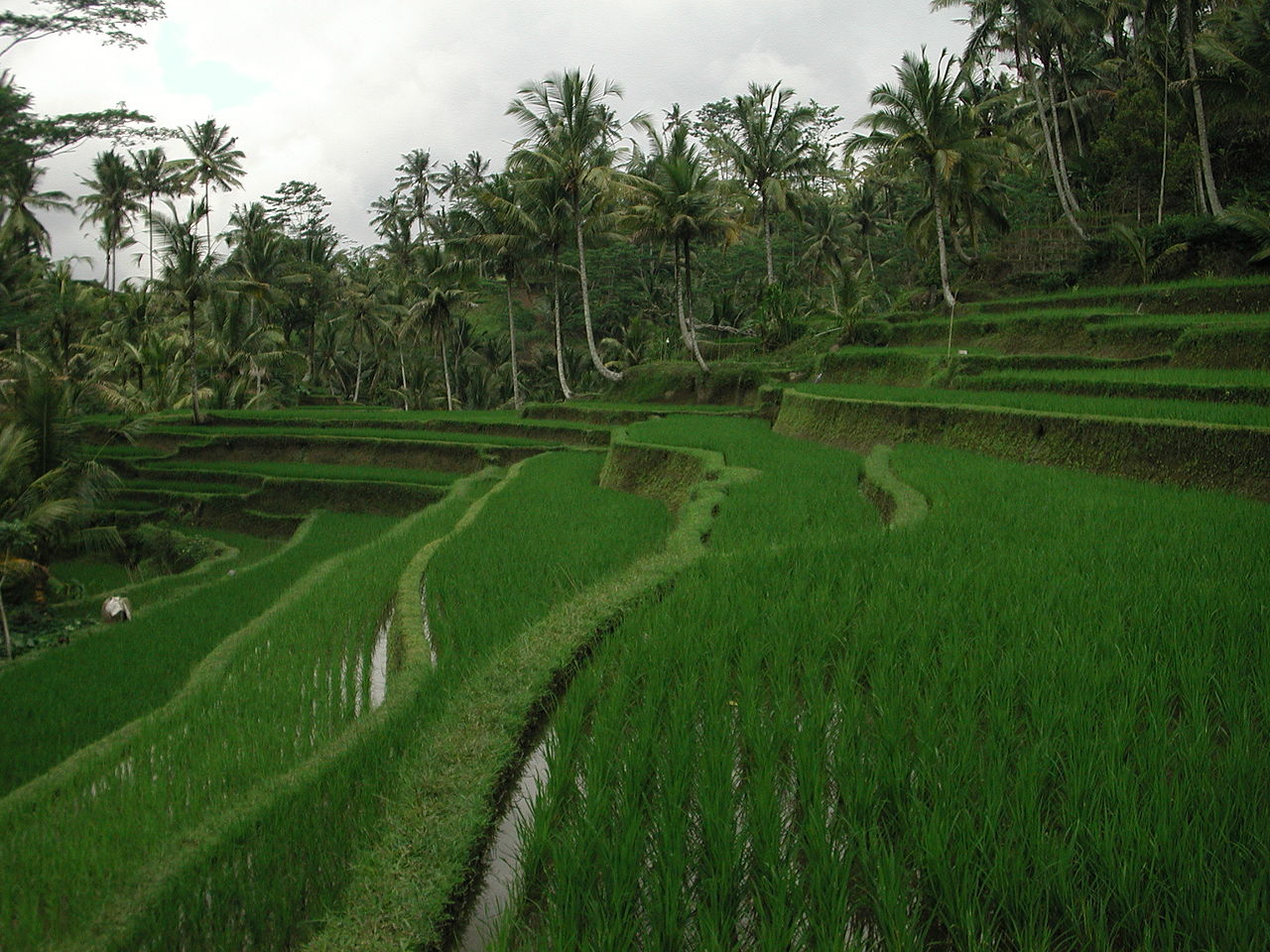
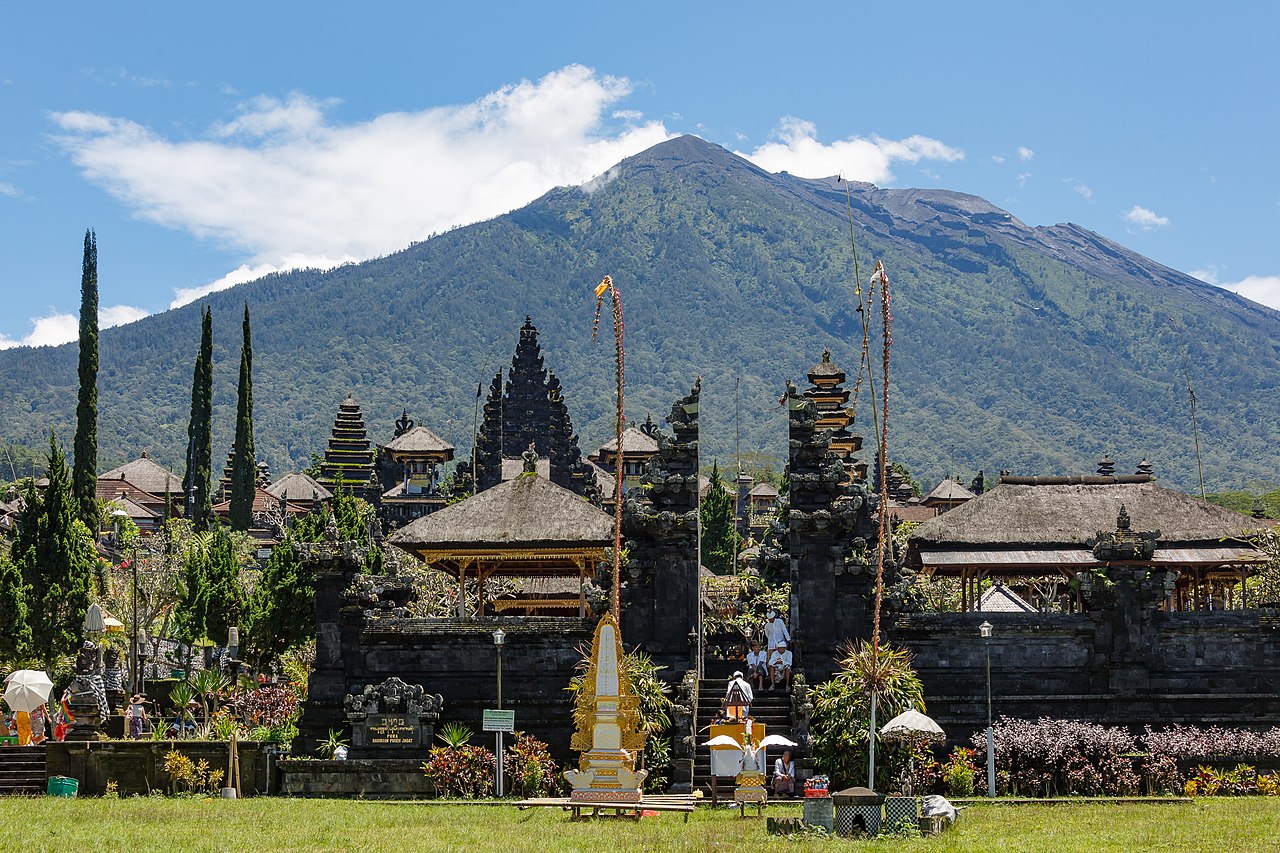
Bali combines volcanic highlands, terraced rice paddies and long coastlines. Interior areas contain active and dormant volcanoes, while the coast supports beaches and coral reefs. The province is divided into regencies and one city; nearby satellite islands such as Nusa Penida, Nusa Lembongan and others are often included in descriptions of the region. Access is primarily by air through the island's international airport and by ferry to neighboring islands.
Culture, religion and arts
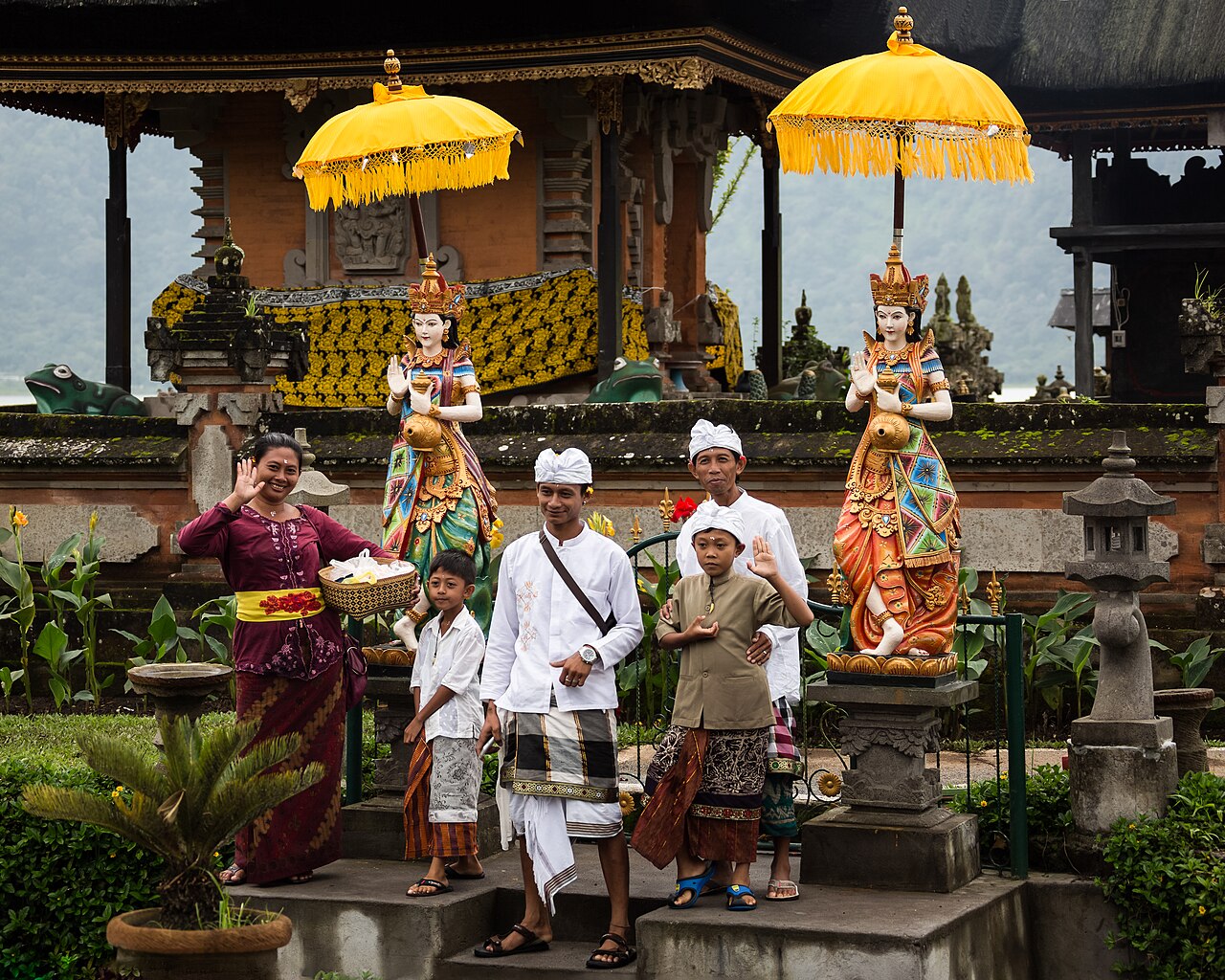
Bali is distinguished within Indonesia by its predominantly Hindu society. The island practices a unique, syncretic form of Hinduism that blends indigenous beliefs and rituals with influences from mainland South and Southeast Asia. Temples, public rituals, music, dance and visual arts are central to daily life and community identity. Major cultural expressions include temple processions, gamelan music, wayang performances and elaborate offering ceremonies.
Economy and visitors
Tourism is the dominant economic sector: millions of visitors arrive each year to enjoy beaches, cultural festivals, surfing and diving. Local crafts, hospitality, and food services support many livelihoods. Traditional industries such as agriculture and artisanal textiles remain important; for example, textiles and garments are significant export items. The official currency is the Indonesian rupiah (IDR), used throughout the province.
History and notable facts
Bali's history includes early Austronesian settlement, Hindu-Buddhist kingdoms, and later interactions with Majapahit polities and European colonial powers. It became part of the modern Indonesian state in the mid-20th century. The island is sometimes called the "Island of the Gods" for its numerous temples and spiritual traditions. Important cultural and environmental sites are celebrated for their heritage value, and traditional irrigation systems and rice terraces remain a prominent feature of the landscape.
- Key attractions: temple complexes, rice terraces, beaches and cultural performances
- Distinctive aspects: majority-Hindu culture in a predominantly Muslim nation
- Practical note: Denpasar is the transport and administrative center
For further general information about the island, its administration and culture, see resources linked to this article: island overview, national context, Denpasar, religious traditions, local industries, and currency details.
Related articles
Author
AlegsaOnline.com Bali: Indonesian Island Province Known for Hindu Culture and Tourism Leandro Alegsa
URL: https://en.alegsaonline.com/art/8497
Sources
- bbc.com : "Bali's Mount Agung volcano erupts"