
1964 United States presidential election
A contest between incumbent Lyndon B. Johnson and Republican Barry Goldwater, the 1964 election produced a decisive Democratic victory and accelerated changes in civil rights policy and American political alignments.
Overview
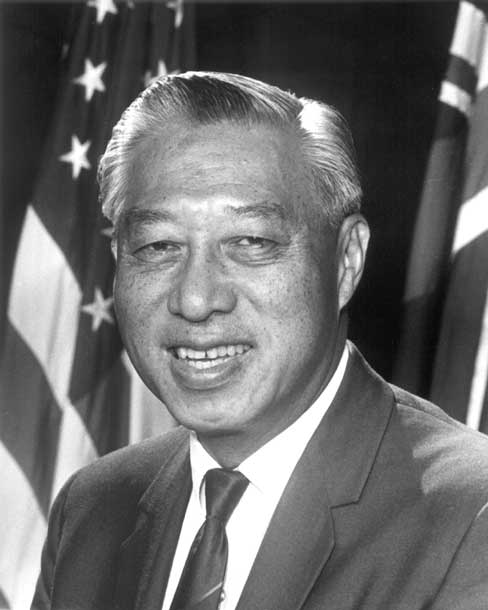
The 1964 United States presidential election, held on November 3, 1964, matched incumbent President Lyndon B. Johnson and his running mate Hubert Humphrey against Republican Senator Barry Goldwater of Arizona and his running mate, Congressman William Miller. Johnson had become president after the assassination of John F. Kennedy in 1963 and campaigned to carry forward many aspects of Kennedy-era policy while advancing his own domestic agenda.
Image gallery
10 Images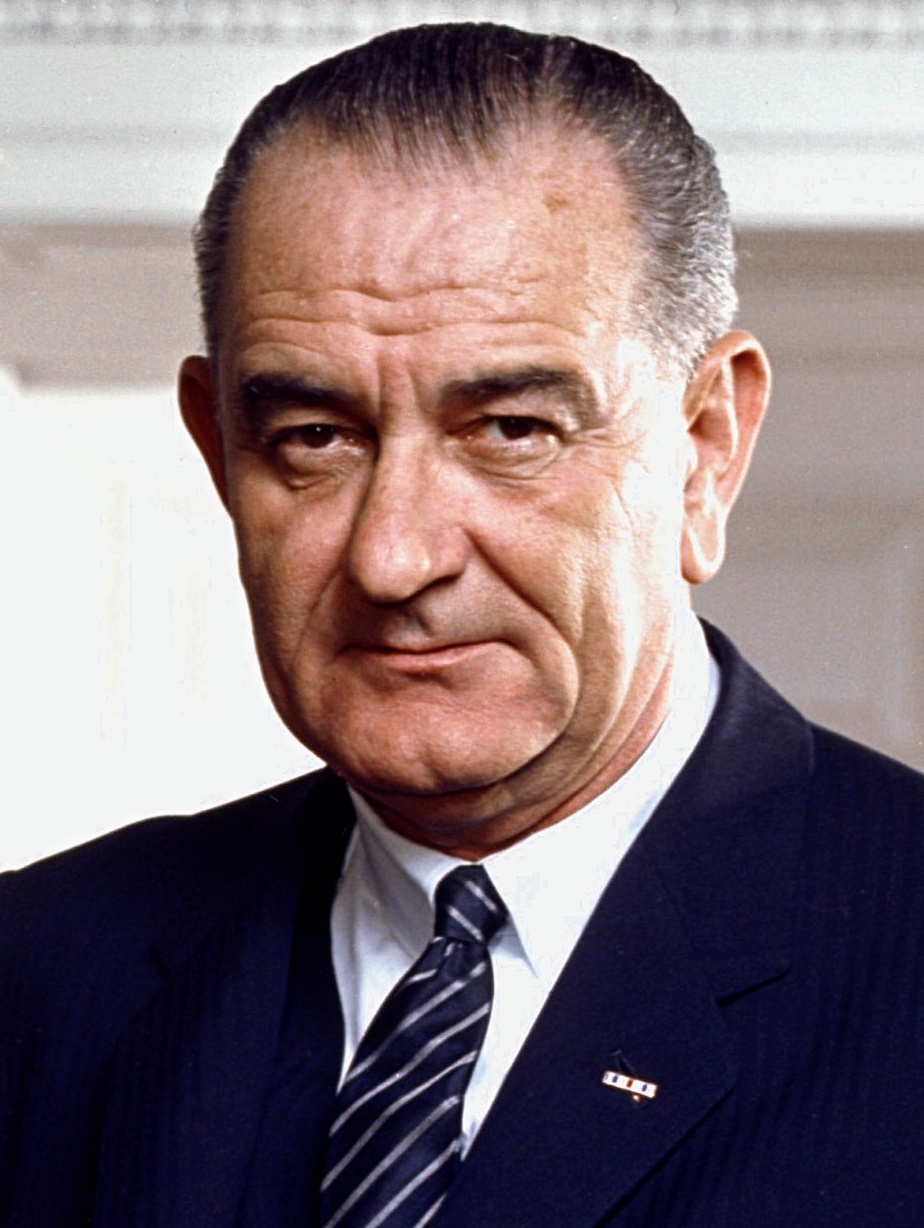


Central issues and platforms
The campaign crystallized around the scope of federal government action, civil rights, and national security amid Cold War tensions. Johnson promoted an expansive domestic program and federal leadership on racial equality, while Goldwater argued for a reduced federal role and greater emphasis on individual liberty. Civil rights legislation and debates over race were prominent: Johnson emphasized continued progress on civil rights as part of national renewal.
Policy proposals and the Great Society
Johnson framed much of his campaign as the beginning of a "Great Society," a term he used to describe ambitious efforts to reduce poverty, expand access to health care for the elderly and poor, and improve education and the environment. Several initiatives that he championed during and after the campaign—commonly associated with the Great Society—led to programs such as Medicare and Medicaid, federal measures on environmental protection, and other anti-poverty efforts.
Goldwater, conservatism, and campaign style
Barry Goldwater’s platform appealed to voters who favored a smaller federal government, free-market principles, and a more assertive stance against communism. His views helped energize what would become the modern conservative movement. During the campaign, prominent conservatives including Ronald Reagan delivered influential speeches in Goldwater’s support. Opponents portrayed Goldwater’s rhetoric on deterrence and military readiness as risking nuclear war, and many commentators labeled his positions as extreme. Over time his ideas influenced later conservative leaders and realigned segments of the electorate.
Campaign tactics and media
The 1964 race was notable for the use of television and pointed political advertising. The Johnson campaign produced memorable ads that sought to raise doubts about Goldwater’s judgment on national security. Goldwater’s campaign relied on direct appeals to conservative voters and emphasized ideological clarity over broad coalition-building. The media environment and televised spots amplified both policy contrasts and personal images of the candidates.
Outcome and immediate effects
Johnson won the election by a substantial margin, a result commonly described as a landslide victory. The outcome delivered Democratic control of the White House and a strong congressional majority, clearing the way for major legislation in the mid-1960s. At the same time, Goldwater’s performance in parts of the Deep South signaled the beginning of a political realignment in which some Southern voters shifted toward the Republican Party in subsequent decades.
Legacy and notable facts
- The 1964 election accelerated passage and implementation of ambitious domestic programs and civil rights reforms that shaped federal policy for decades.
- It marked an important moment in the rise of modern conservatism: Goldwater’s ideas, though electorally defeated, influenced later Republican leaders and activists.
- The race demonstrated the growing importance of television advertising and image-making in presidential politics.
Scholars view the 1964 election as a turning point that combined a decisive Democratic electoral victory with the long-term emergence of a conservative movement and shifting regional loyalties. For contemporary readers, it remains an instructive example of how policy choices, personality, media, and social change interact in a national campaign.
Lyndon B. Johnson | Hubert Humphrey | Barry Goldwater | William Miller | Arizona | John F. Kennedy | Civil Rights | Great Society | Medicaid | Ronald Reagan | Nuclear concerns | Conservatism | Landslide
Questions and answers
Q: Who were the two candidates in the 1964 United States presidential election?
A: The two candidates in the 1964 United States presidential election were Democrat Lyndon Johnson and his running mate Hubert Humphrey of Minnesota, against Republican Barry Goldwater and his running mate, Congressman William Miller of New York.
Q: What policies did Lyndon Johnson campaign for during the election?
A: During the 1964 United States presidential election, Lyndon Johnson campaigned to continue many of Kennedy's policies and ideas such as civil rights. He also supported a series of programs called the "Great Society" to improve the quality of living for poor people which included programs like Medicare, Medicaid, and environmental programs.
Q: What beliefs did Barry Goldwater have?
A: Barry Goldwater had beliefs that government should be smaller and he was against government programs. He was portrayed as an extremist who condoned actions of the KKK and would cause nuclear war during his campaign. His beliefs were radical at the time but they would later influence many libertarian and conservative politicians.
Q: Who gave a famous speech in support of Goldwater during his campaign?
A: Actor Ronald Reagan gave a famous speech called "A Time For Choosing" in support of Barry Goldwater during his campaign.
Q: How did Lyndon Johnson win the election?
A: Lyndon Johnson won by a landslide in the 1964 United States presidential election, making it one of last elections where Democrats carried any 8 particular states.
Q: What was President John F Kennedy's role in this election?
A: President John F Kennedy was assassinated before this election took place so he had no role in it directly; however, Lyndon Johnson (his vice president) became president after Kennedy's assassination and campaigned to continue many of Kennedy's policies and ideas such as civil rights which helped him win this election by a landslide.
Related articles
Author
AlegsaOnline.com 1964 United States presidential election Leandro Alegsa
URL: https://en.alegsaonline.com/art/112078