
1966 Formula One season: start of the 3.0‑litre era and Brabham's landmark title
Overview of the 1966 Formula One season, its technical rule changes, Jack Brabham's title in a car he built, key teams and the season's lasting influence on constructors and engine design.
Overview
The 1966 Formula One season is best known for two linked developments: the introduction of a new engine formula that raised maximum capacity to three litres, and the championship win by Jack Brabham. The rule change encouraged renewed manufacturer interest and a rapid shift in design priorities toward more powerful engines and robust chassis to cope with greater speeds.
Image gallery
10 Images



Technical change and its consequences
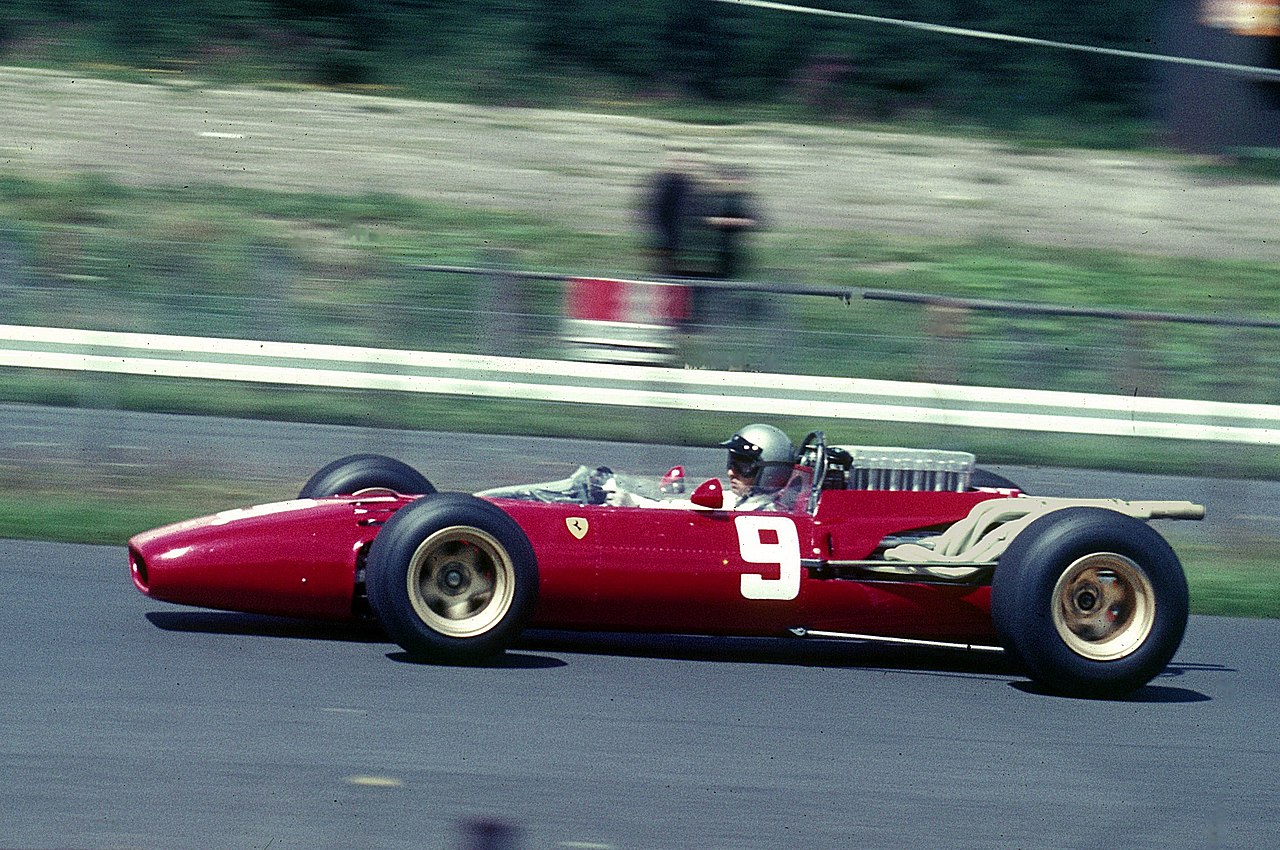
Beginning in 1966, the regulations allowed naturally aspirated engines up to 3.0 litres (with smaller supercharged alternatives permitted under different equivalence rules). Teams responded in diverse ways: some pursued lightweight, modestly powered V8s that emphasized reliability, while others developed larger V12 or complex multi‑cylinder designs aimed at peak power. The transition marked the end of the 1.5‑litre era and set a new direction for Formula One engineering.
Season narrative and key participants
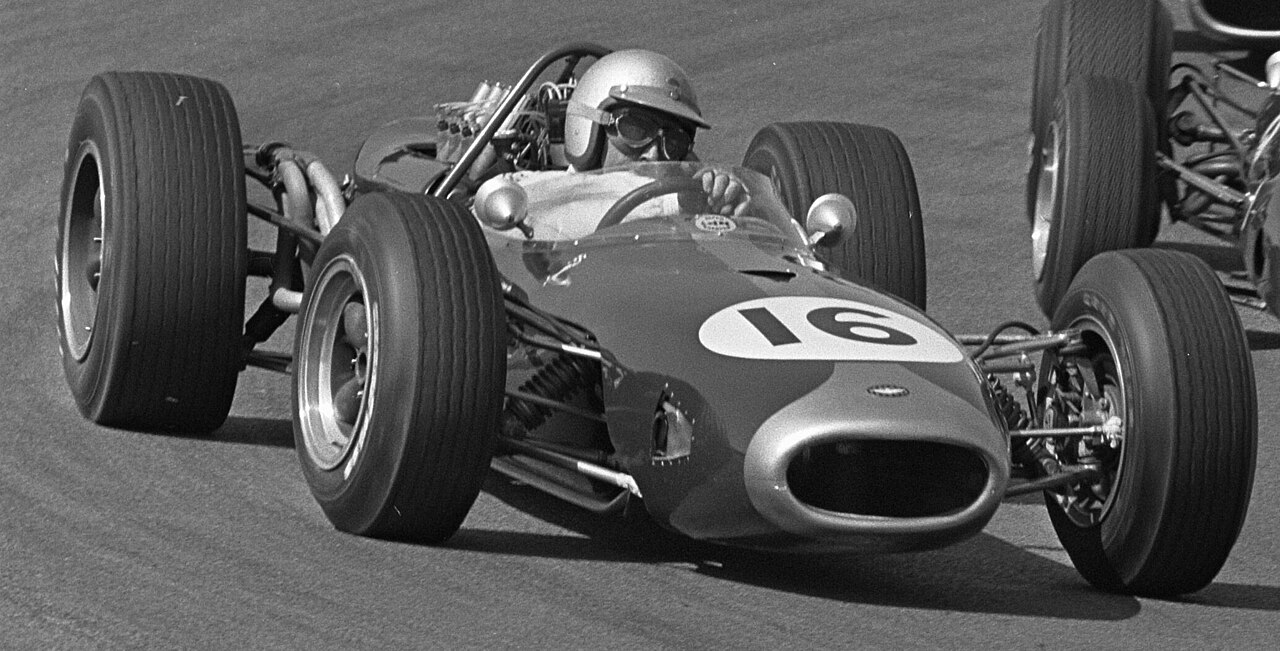
Jack Brabham secured the drivers' crown driving his own cars fitted with Repco engines, a result that gained attention because it demonstrated how careful engineering and consistency could outweigh outright horsepower. The Repco V8, though not the most powerful unit on the grid, proved competitive through lightness and reliability. Established works teams such as Ferrari, BRM and Lotus were prominent challengers, each exploring different engine and chassis solutions under the new regulations.
Characteristics and examples
- Engine approaches: compact, reliable V8s versus high‑power multi‑cylinder designs.
- Chassis focus: strengthening frames and improving handling to cope with higher torque and speed.
- Racecraft: reliability and race management became as important as qualifying speed.
Legacy and notable facts
The 1966 season is often cited as a turning point that ushered in a modern phase of Grand Prix racing, with intensified manufacturer involvement and rapid technical innovation. Jack Brabham's title remains especially notable: he is widely recognized for winning the world championship in a car of his own construction, a rare achievement in the sport's history. For further reading about Brabham's career and that season's significance see Jack Brabham.
Related articles
Author
AlegsaOnline.com 1966 Formula One season: start of the 3.0‑litre era and Brabham's landmark title Leandro Alegsa
URL: https://en.alegsaonline.com/art/112085