
1861
1861 was a pivotal year marked by major political realignments, wars and social reforms worldwide. It saw the start of the American Civil War, Italian unification, and emancipation reforms in Russia, among other changes.
1861 is remembered as a year of major political and social change. In calendar terms it is classified as a common year that began on a Tuesday in the Gregorian system; historical sources often refer to both modern and contemporary calendars when dating events. For general reference see the connected calendar notes: calendar reference and Gregorian calendar.
Image gallery
10 Images


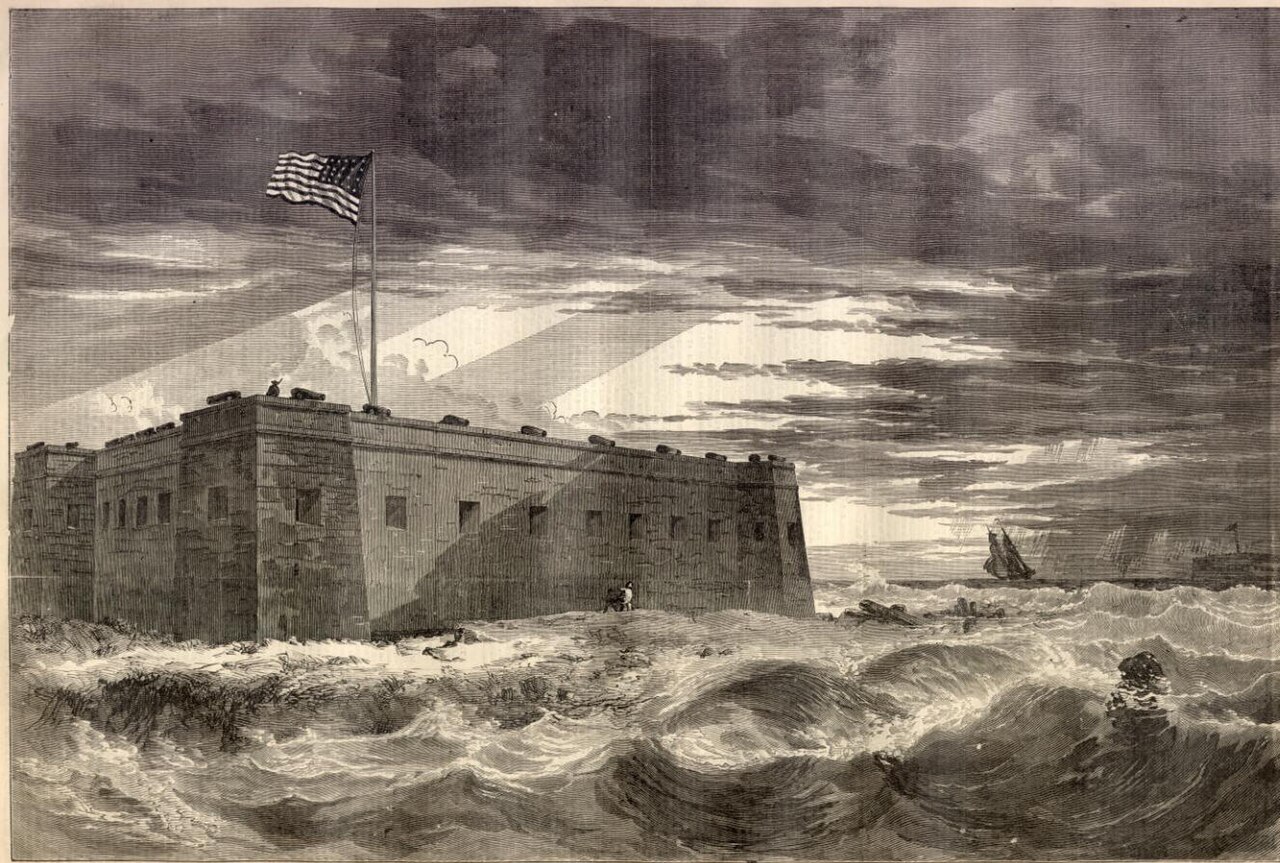


Overview
Across several continents 1861 marked turning points that reshaped states and societies. Military conflict, national consolidation and legal reforms all accelerated during this period. The balance between traditional institutions and rapidly spreading industrial, communications and transport networks influenced political choices and popular movements.
Major events and developments
In the United States tensions over slavery and federal authority culminated in open warfare. Secessionist states formed a breakaway government and hostilities began that year, initiating the conflict known as the American Civil War. Leadership changes at the national level and the mobilization of armies followed rapidly.
In Europe and Eurasia, different processes of national consolidation and reform also made 1861 notable. The island of Italy saw steps toward a unified kingdom, while in the Russian Empire the ruler implemented a wide-ranging emancipation reform that legally freed millions of serfs and altered longstanding social relations.
Technology, economy and society
The spread of railways, steam shipping and telegraph networks accelerated economic integration and wartime logistics. Communication advances affected isolated regions and contributed to the decline of older services that could not compete with instant long-distance messaging. Urban growth, industrial employment and new fiscal demands on governments were prominent features.
Significance and legacy
- Political: the year set the stage for prolonged conflict in North America and furthered state-building in Europe.
- Social: emancipation and legal reforms began to alter established social hierarchies.
- Technological: faster transportation and communication reshaped economies and military affairs.
Because so many institutions and borders were in flux, historians treat 1861 as a watershed year. Its events influenced subsequent decades of reform, conflict and national development, making it a frequent reference point in modern political and social histories.
Related articles
Author
AlegsaOnline.com 1861 Leandro Alegsa
URL: https://en.alegsaonline.com/art/111825