
1876 — Invention, conflict, and the U.S. centennial
A survey of 1876, marked by Bell's telephone patent and demonstration, the U.S. Centennial Exposition, the Battle of Little Bighorn, Colorado statehood, Balkan uprisings, and a disputed U.S. presidential election.
1876 was a year of technological breakthroughs, political upheaval, and cultural display. It is widely remembered for early advances in telecommunication, an international industrial exposition in the United States, violent clashes on the American frontier, and intense political controversy that shaped the years that followed.
Image gallery
10 Images


Technology and science
In March 1876 Alexander Graham Bell received a United States patent for an apparatus that transmitted vocal sounds electrically and soon afterward made the first intelligible telephone transmission to his assistant. The invention was publicly exhibited later that year at the Centennial Exposition in Philadelphia, where numerous new machines and industrial technologies were displayed, signaling the United States' growing industrial capacity.
Politics, wars, and uprisings
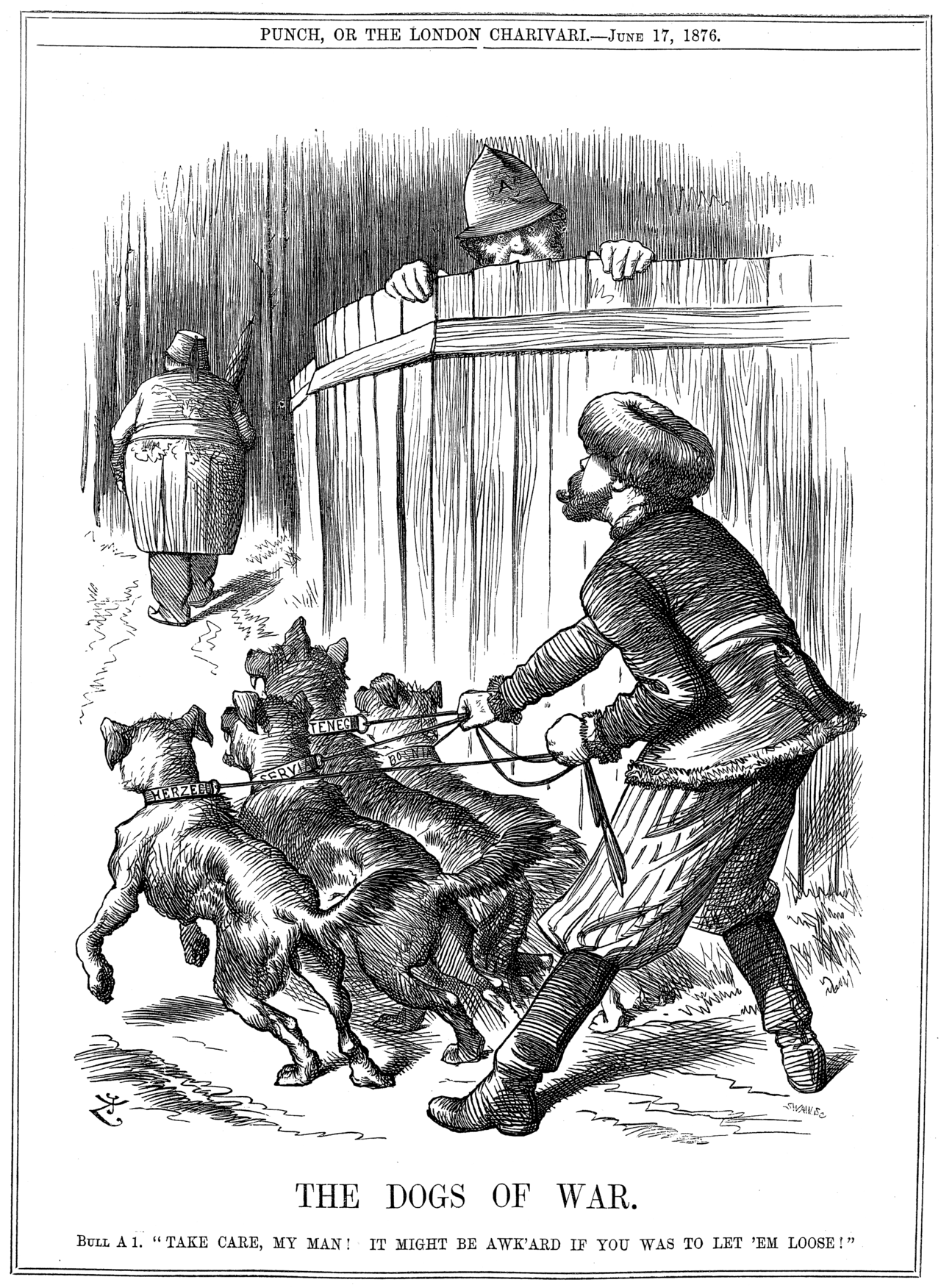
Several armed conflicts and political crises defined 1876. In North America, the Great Sioux War culminated in the Battle of the Little Bighorn (June 25–26), a significant clash between combined Lakota, Cheyenne and Arapaho forces and the U.S. 7th Cavalry regiment, commonly remembered as Custer's Last Stand. In Europe and the Balkans, popular uprisings against Ottoman rule—including the April Uprising in Bulgaria and related unrest in Herzegovina—provoked international attention and military responses that contributed to wider Balkan conflict in subsequent years.
United States: centennial, statehood, and election
The Philadelphia Centennial Exposition (May–November) celebrated one hundred years since the American Declaration of Independence and displayed industrial and cultural achievements from around the world. Colorado joined the Union on August 1, earning the nickname "the Centennial State" because of its admission in the centennial year. Politically, the U.S. presidential election of November 1876 between Rutherford B. Hayes and Samuel J. Tilden became one of the nation's most disputed contests, producing an electoral commission and a settlement that had long-reaching effects on Reconstruction-era policy.
Culture and legacy
Beyond headline events, 1876 reflected broader trends: accelerating industrialization, the spread of telegraphic and nascent telephonic communication, and rising nationalisms in Europe. The innovations and conflicts of the year influenced technology, geopolitics, and social life for decades—most notably by helping to launch practical voice telephony and by reshaping government policy and frontier relations in the United States.
Notable events (selected)
- March — Alexander Graham Bell is awarded a U.S. patent for the telephone and conducts an early voice transmission.
- May–November — Centennial Exposition in Philadelphia showcases industrial inventions and international exhibits.
- June 25–26 — Battle of the Little Bighorn (Custer's Last Stand) in the American West.
- August 1 — Colorado admitted as a U.S. state.
- April and summer — Balkan uprisings against Ottoman rule, including the Bulgarian April Uprising.
- November — Highly contested U.S. presidential election leads to political compromise affecting Reconstruction.
These highlights show how 1876 combined innovation with conflict: inventions that would transform daily life appeared alongside struggles over territory, governance, and national identity.
Related articles
Author
AlegsaOnline.com 1876 — Invention, conflict, and the U.S. centennial Leandro Alegsa
URL: https://en.alegsaonline.com/art/111843