
1886
Events and developments of the year 1886: major political moments, disasters, inventions, cultural works, and their lasting influence around the world.
1886 was a year marked by technological innovation, social conflict, and memorable public ceremonies. It saw breakthroughs in personal transport and popular beverages, volatile labor struggles in industrializing societies, and dramatic natural and political events that left enduring marks on national histories.
Image gallery
10 Images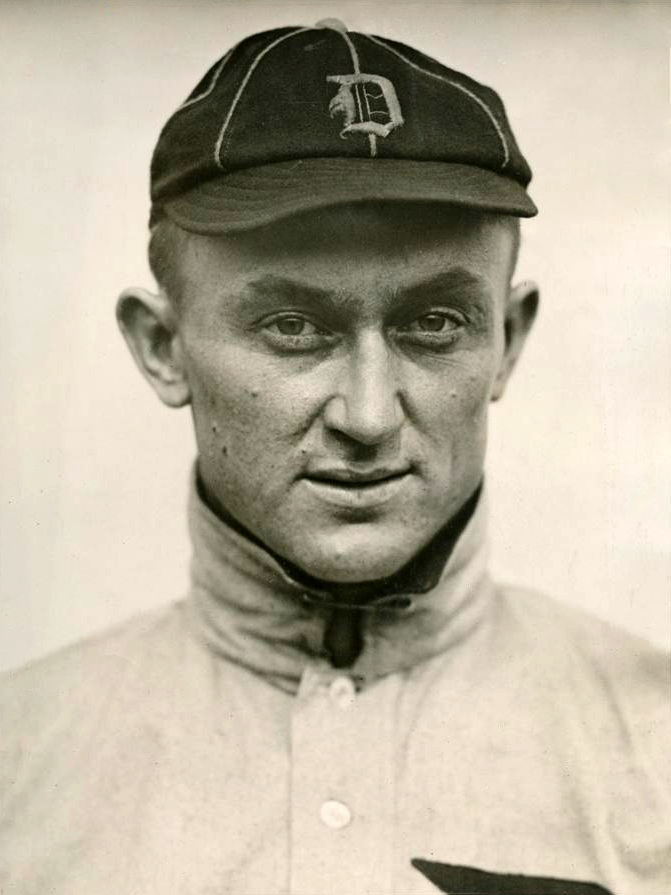


Overview and significance
The year combined scientific and commercial advances with intense social change. New technologies began to reshape daily life, while organized labor and political movements clashed with authorities and employers. Several events of 1886 continued to influence later debates about workers' rights, national identity, and urban development.
Notable events
- Automotive innovation: In Germany, an important patent for a gasoline-powered vehicle was filed and public demonstrations took place; developments that historians often regard as the beginnings of the modern automobile industry.
- Labor unrest – Haymarket affair: A labor demonstration in Chicago turned deadly in early May. The episode became a focal point in the international movement for the eight-hour workday and influenced the designation of May Day as an international workers' holiday.
- Statue of Liberty dedication: A major civic ceremony in New York Harbor celebrated the gift from France, creating a lasting symbol of welcome and liberty.
- Geronimo's surrender: The capture or surrender of the Apache leader signalled an end to one phase of armed resistance by indigenous groups in the American Southwest.
- Charleston earthquake: A severe earthquake struck Charleston, South Carolina, causing substantial damage and prompting changes in building practices and emergency responses for U.S. eastern cities.
- Cultural publications: Significant literary works were released that captured contemporary anxieties and social themes, contributing to late-19th-century literature.
Science, industry and culture
The late 1880s were a time of rapid technical experimentation: internal-combustion engines, improved printing and distribution networks, and early electrical systems changed transport, communication and urban life. Commercial inventions and recipes introduced in 1886 later became global consumer brands. In literature and the arts, writers examined modern identity, social upheaval and the psychological effects of city life.
Legacy and distinctions
Many events of 1886 had long-term consequences: the labor confrontations helped catalyze international labor calendars and reforms; developments in motorized transport presaged the automobile age; the Statue of Liberty became an enduring national symbol; and disaster responses informed urban planning. Taken together, these strands show 1886 as a transitional year bridging earlier 19th-century patterns and the accelerating changes of the 20th century.
Questions and answers
Q: What happened in the year 1886?
A: The text does not provide any specific event or occurrence in the year 1886.
Q: What is the significance of the year 1886?
A: The text does not provide any explicit significance of the year 1886.
Q: Is there any context to the text provided?
A: No, the text is incomplete and lacks context.
Q: Can you provide any additional information about the year 1886?
A: There are several significant events that occurred in the year 1886, including the Haymarket Riot in Chicago, the founding of Coca-Cola, and the publication of Robert Louis Stevenson's "Strange Case of Dr. Jekyll and Mr. Hyde."
Q: Was 1886 a significant year in history?
A: Yes, there were several significant events that took place in 1886, including labor disputes, scientific discoveries, and cultural advancements.
Q: What were some of the notable cultural advancements in 1886?
A: Some notable cultural advancements in 1886 included the closing of the Paris Exposition, the opening of the Opera Garnier in Paris, and the premiere of the musical "The Mikado" in London.
Q: How did the events of 1886 shape the world we live in today?
A: The events of 1886, including the Haymarket Riot and the founding of Coca-Cola, had lasting impacts on labor relations and the global beverage industry, respectively. The cultural advancements of the time also helped shape modern-day art, music, and architecture.
Related articles
Author
AlegsaOnline.com 1886 Leandro Alegsa
URL: https://en.alegsaonline.com/art/111856