
1866 — major events, context, and significance
A concise overview of the year 1866: major political and military events (Austro‑Prussian War, Italian unification), US Reconstruction and the Civil Rights Act, the successful transatlantic telegraph cable, and social unrest.
1866 (MDCCCLXVI) was a common year beginning on Monday of the Gregorian calendar. It is remembered for several decisive political and technological developments that shaped the late 19th century: a brief but consequential European war that recalibrated German power, important steps in Italian unification, advances in global communications, and continuing upheaval in the United States during Reconstruction.
Image gallery
10 Images

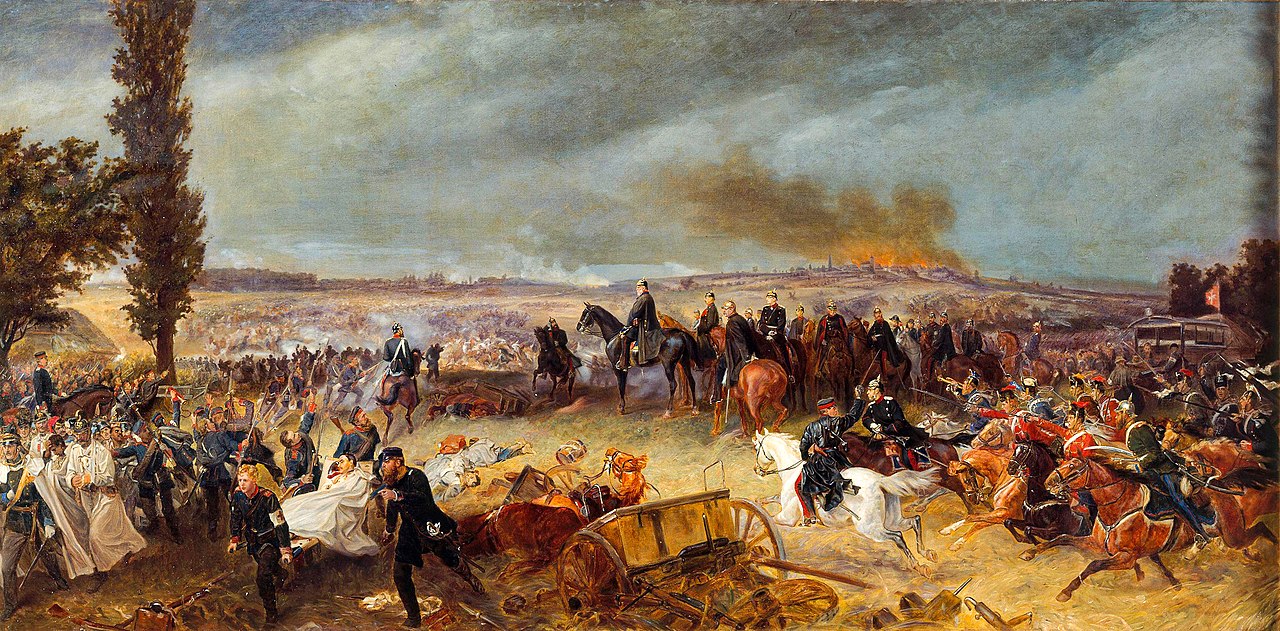





Europe: war and political realignment
The Austro‑Prussian War of 1866, also called the Seven Weeks' War, was the major European conflict of the year. The decisive Prussian victory at the Battle of Königgrätz (Sadowa) on July 3 enabled Prussia to assert dominance over the German states and to exclude Austria from German affairs. The conflict concluded with the Treaty of Prague, and its outcome accelerated the dissolution of the old German Confederation and the path toward a Prussian‑led unification of northern Germany.
Italy and other regional changes
In Italy, 1866 saw the continuation of the Risorgimento. Italian forces allied with Prussia against Austria in the Third Italian War of Independence; the diplomatic and military results of the year led to the transfer of Venetia to Italy, advancing the peninsula’s political consolidation.
North America: Reconstruction and unrest
In the United States the federal government wrestled with Reconstruction after the Civil War. Congress passed the Civil Rights Act of April 9, 1866, a landmark statute asserting the citizenship and basic civil rights of persons born in the United States and intended to counter restrictive state laws. The year also witnessed violent racial confrontations, including the Memphis riots in early May and the New Orleans massacre of July 30, events that exposed the fragility of postwar social order.
Communications, technology and other events
1866 was notable for a major communications breakthrough: a successful transatlantic telegraph cable laid in 1866 established reliable telegraphic connection between Europe and North America, transforming long‑distance communication. The year also saw the Fenian raids into British North America (Canada), including the Battle of Ridgeway in June, which influenced colonial and military policy in British colonies and contributed to discussions that preceded Canadian Confederation.
Legacy and notable facts
Beyond specific battles and laws, 1866 marked a year in which national boundaries and institutions were actively reshaped and in which technology began to compress global distances. It stands as a crossroads: European power relations shifted toward a new balance, Italy moved closer to unification, North America confronted the limits of reform after civil war, and the first dependable transatlantic telegraph service foreshadowed the coming age of rapid international communication.
- Calendar note: common year starting on Monday (Gregorian).
- Roman numerals: MDCCCLXVI.
- Some widely known events: Battle of Königgrätz (July 3), Treaty of Prague, Civil Rights Act (April 9), transatlantic cable (1866), Memphis and New Orleans riots.
Related articles
Author
AlegsaOnline.com 1866 — major events, context, and significance Leandro Alegsa
URL: https://en.alegsaonline.com/art/111830