
1818 (year)
1818 was a common year in the Gregorian calendar marked by major diplomatic agreements, Arctic exploration, and influential literary publications such as Mary Shelley's Frankenstein.
1818 was a common year of the Gregorian calendar that fell in the period after the Napoleonic Wars. The year sits within a broader era of political realignment in Europe and expanding international contact driven by exploration, diplomacy and commerce. Several agreements and cultural works from 1818 continued to shape nineteenth‑century politics and letters.
Image gallery
10 Images


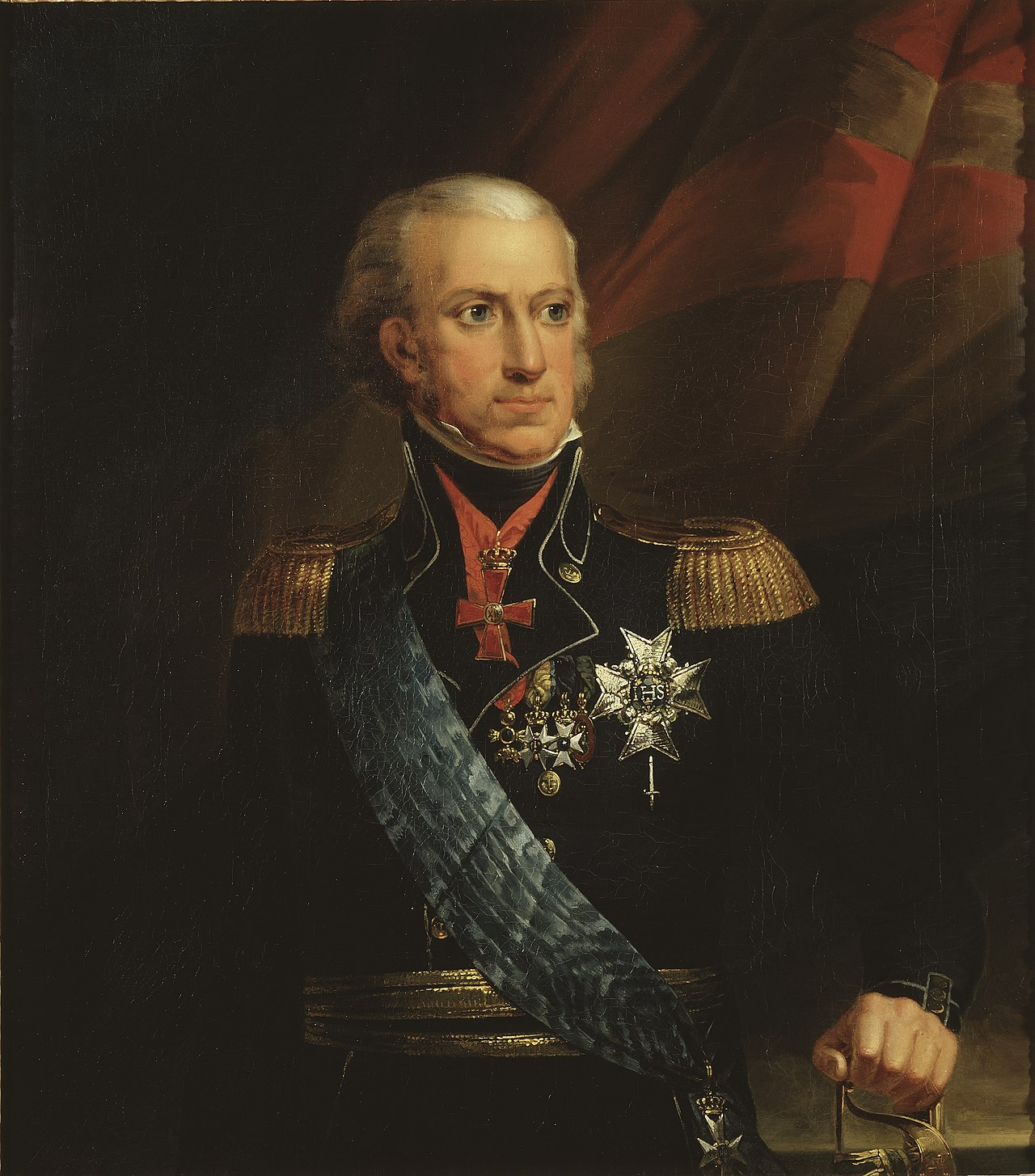


Political and diplomatic developments
The international order established by the Congress of Vienna was still evolving. Notable diplomatic activity included negotiations between the United States and the United Kingdom that clarified borders in North America and established arrangements for joint occupation of the Oregon Country. In Europe the great powers met in conferences intended to stabilize post‑war relations and to manage occupation forces.
Exploration and science
Arctic exploration resumed with expeditions sent from Britain to search for northern routes and to chart polar coasts. Scientific and geographic inquiry continued to gain institutional support, with naval voyages returning new geographic knowledge that fed cartography and natural history.
Literature and culture
1818 saw influential literary publications and activity. Mary Shelley’s novel Frankenstein first reached readers in this year, attracting enduring attention for its themes of creation and responsibility. Poets and novelists in Britain and elsewhere published works that contributed to Romanticism and to a growing reading public.
Notable births and deaths
- Births: Among those born in 1818 was the English novelist and poet Emily Brontë, whose later work would become central to Victorian literature.
- Deaths: The year also witnessed the passing of figures from the preceding generation as political and cultural life continued to transition.
While not marked by a single defining event, 1818 is remembered for diplomatic agreements that shaped borders, renewed exploratory ventures into the Arctic, and cultural works whose influence persisted through the nineteenth century.
Related articles
Author
AlegsaOnline.com 1818 (year) Leandro Alegsa
URL: https://en.alegsaonline.com/art/111770