
1823 — global overview and notable events
Annual summary of 1823: major political events (Monroe Doctrine, French intervention in Spain), independence struggles in Latin America and Greece, cultural and scientific developments, and broader context.
Overview
1823 was a year shaped by the aftermath of the Napoleonic era, expanding independence movements in the Americas, and ongoing cultural shifts of the early 19th century. Governments and public opinion adjusted to new geopolitical realities while the Industrial Revolution continued to transform economies and societies in Europe and North America.
Image gallery
10 Images





Major political developments
One of the most lasting declarations of 1823 came from the United States. In his annual message to Congress on December 2, President James Monroe set out what became known as the Monroe Doctrine: a policy statement opposing further European colonialism or intervention in the Western Hemisphere and asserting that the United States would regard attempts to extend European influence as a threat to its security. The message was less an immediate enforcement mechanism than a long-term diplomatic principle.
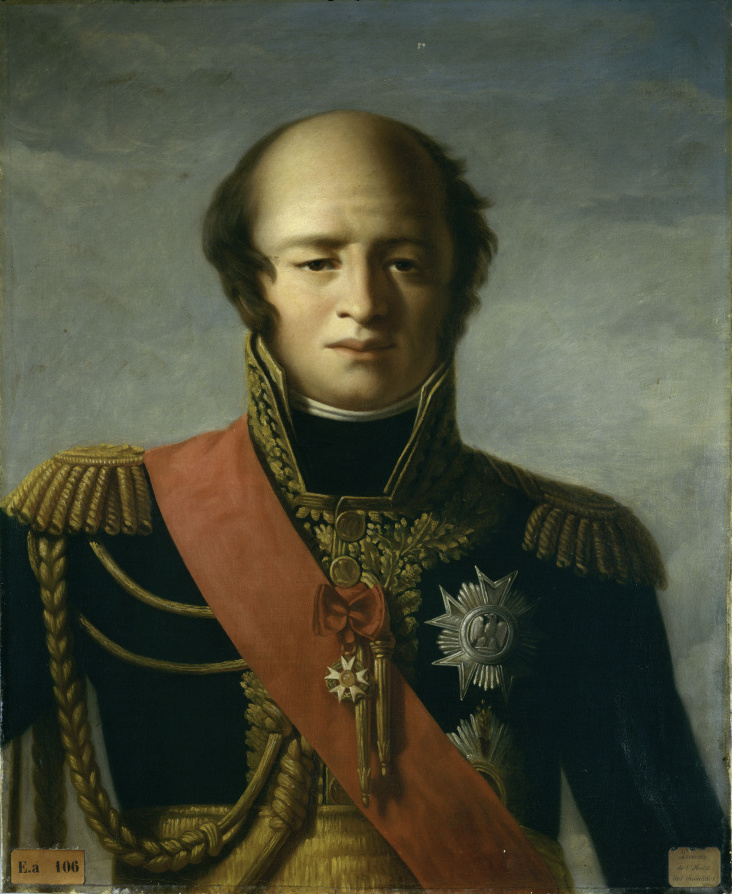
In Europe, conservative powers acted to suppress liberal movements. France intervened militarily in Spain to restore the authority of King Ferdinand VII over a liberal constitutional government; this expedition, popularly remembered in contemporary accounts, reinforced the period's pattern of conservative reaction against revolutionary change.
Independence movements and colonial conflicts
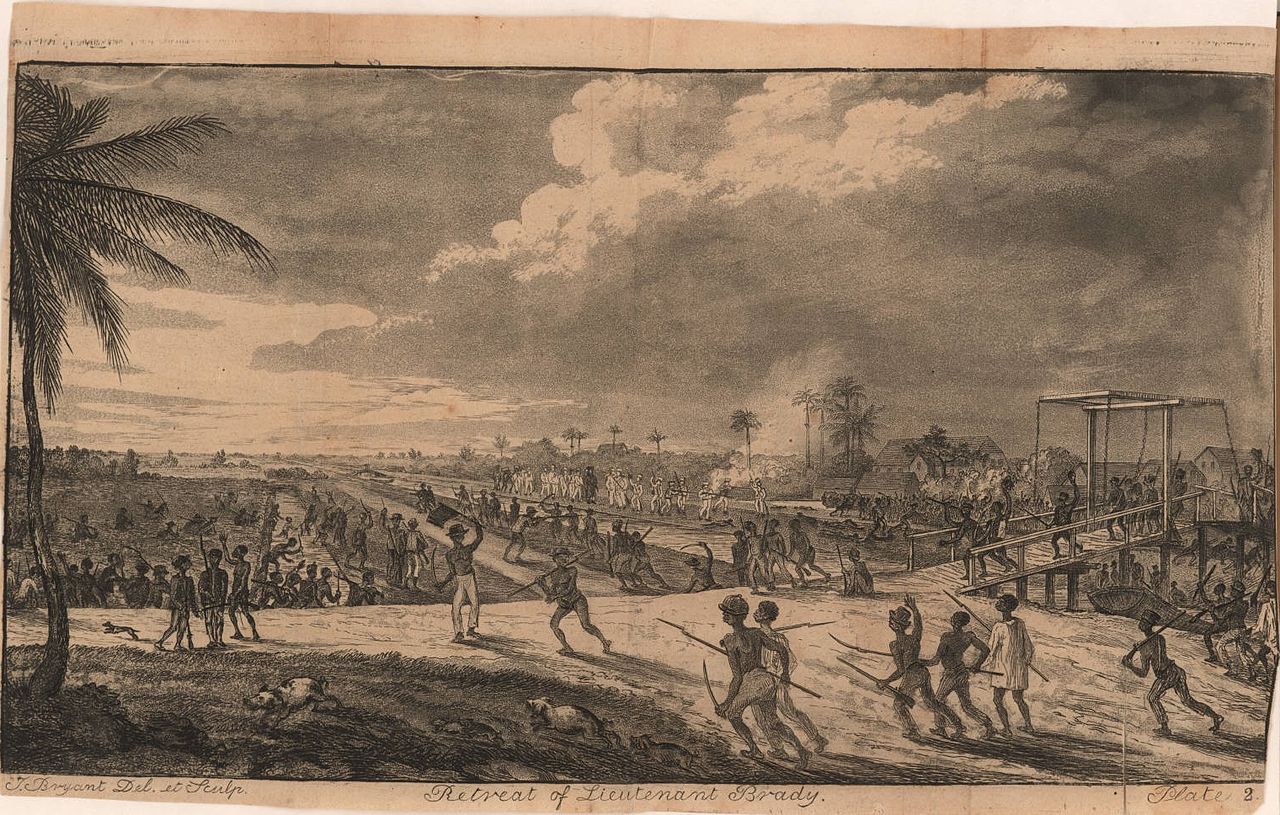
Across the Atlantic, several wars of independence and colonial conflicts reached decisive phases. South American campaigns against Spanish rule continued; a major naval engagement in the Caribbean theatre contributed to the weakening of Spanish control in northern South America. In the eastern Mediterranean, the Greek struggle for independence from Ottoman rule advanced amid growing international attention and support.
Science, culture and society
Intellectual and cultural life reflected the dominance of Romanticism in literature, music and the visual arts, emphasizing emotion, national history and individual imagination. In publishing and medicine, 1823 saw the founding of a significant medical periodical in Britain that would influence professional debate and practice for decades. Industrialization proceeded unevenly, with new technology and transportation improvements accelerating economic change in urban regions while rural areas experienced different pressures.
Notable facts and legacy
- The Monroe Doctrine would become a cornerstone of U.S. foreign policy and a reference point in hemispheric diplomacy for generations.
- French action in Spain illustrated the willingness of European powers to intervene to maintain conservative order after revolutionary upheaval.
- Independence struggles in Latin America and Greece continued to reshape imperial maps and inspired international political debate and philanthropy.
- Advances in publishing and professional medicine signaled institutional changes that accompanied scientific and industrial progress.
While 1823 was not defined by a single world-shaping catastrophe, its combination of diplomatic declarations, military campaigns and cultural developments helped set trajectories—political and intellectual—that influenced later 19th-century history.
Related articles
Author
AlegsaOnline.com 1823 — global overview and notable events Leandro Alegsa
URL: https://en.alegsaonline.com/art/111777