
1828
Year 1828: a leap year notable for political shifts, scientific milestones (Wöhler's urea), Webster’s dictionary, the U.S. election of Andrew Jackson and the Treaty of Turkmenchay ending the Russo‑Persian War.
Overview. The year 1828 (MDCCCXXVIII) was a leap year in the Gregorian reckoning and is remembered for events that shaped politics, science and culture across several regions. It fell during a period of post‑Napoleonic realignment in Europe, ongoing independence struggles in the eastern Mediterranean, and rapid social and economic change in the United States.
Image gallery
8 Images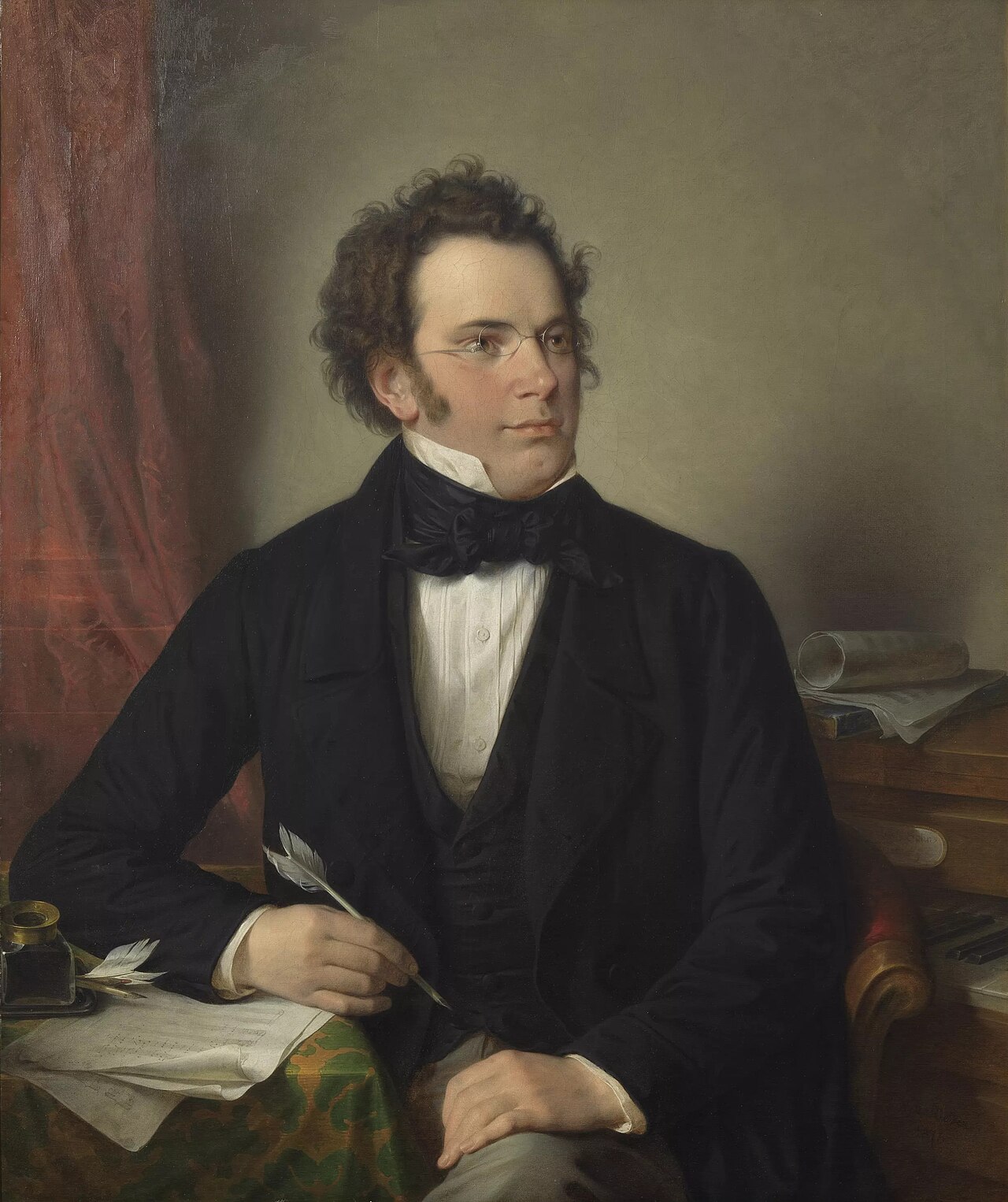


Calendar and chronology
In the Gregorian calendar 1828 was a leap year that began on a Tuesday; in the older Julian calendar it began on a different weekday and lagged by 12 days at that time. For technical references to calendars and how years are expressed in different systems, see the Gregorian and Julian summaries: Gregorian calendar details and Julian calendar details. Differences between the two systems affect how contemporary documents recorded dates and how historians correlate events across regions (calendar conversion notes).
Notable events
- United States: The presidential election of 1828 brought Andrew Jackson to national prominence and reflected growing democratic and partisan changes in American politics. The same year saw passage of a protective tariff—the so‑called "Tariff of Abominations"—which intensified sectional tensions.
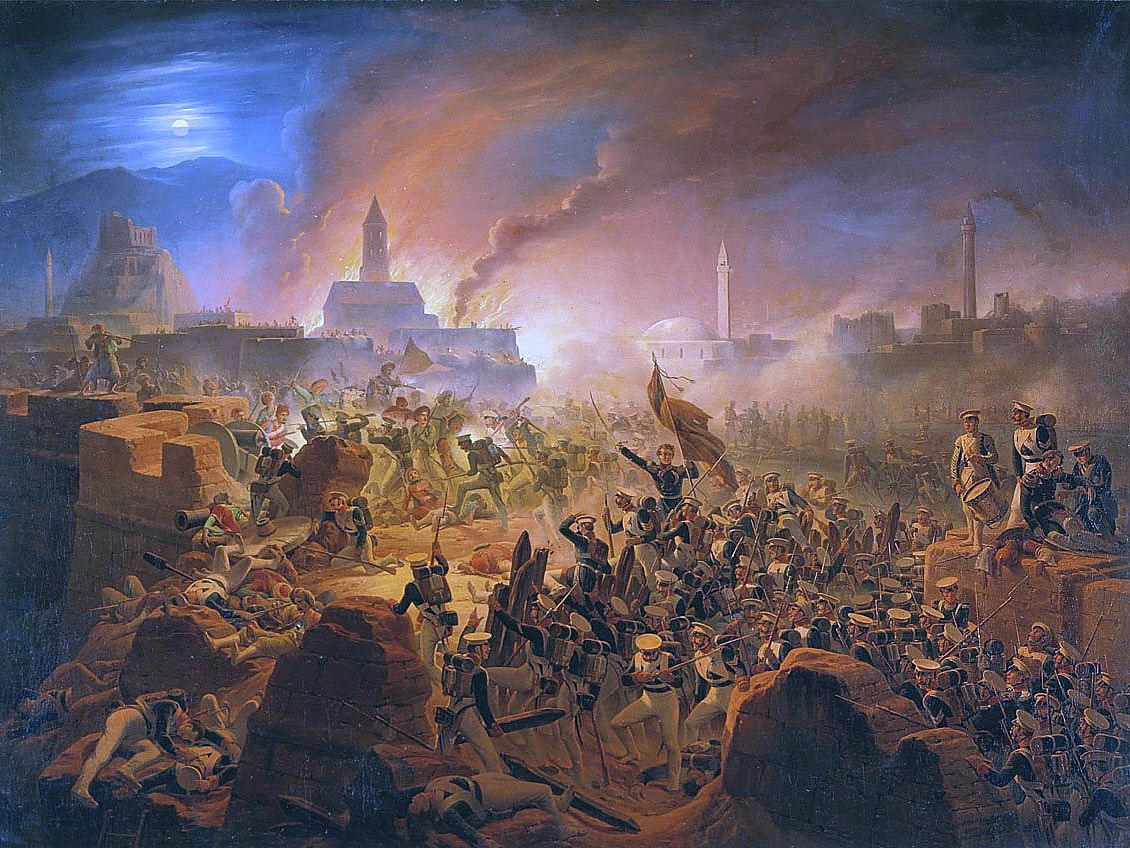
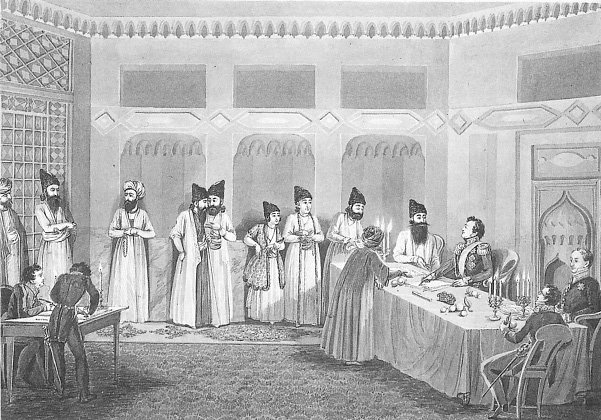
- Russia and Persia: The Treaty of Turkmenchay (1828) formally ended the Russo‑Persian War (1826–1828), with lasting consequences for territorial boundaries and regional influence in the South Caucasus.
- Culture and reference works: Noah Webster published his An American Dictionary of the English Language, a major reference that influenced American spelling and education.
- Arts: The composer Franz Schubert, an important figure in early 19th‑century music, died in 1828, leaving a substantial body of works that gained greater recognition after his death.
Science and ideas
1828 is often marked in the history of chemistry by Friedrich Wöhler’s synthesis of urea from inorganic materials—an experiment that challenged the distinction between "organic" and "inorganic" chemistry and is cited as a milestone in the development of modern organic chemistry. These years also saw continuing advances in industry, transportation and the exchange of scientific knowledge across Europe and North America.
Significance and legacy. Events of 1828 illustrate wider 19th‑century trends: the consolidation of nation‑state power, technological and scientific breakthroughs that redefined disciplines, and cultural production that would influence later generations. The year is a useful snapshot of a world shifting toward industrialization, expanding global diplomacy, and increasingly mass political participation.
Questions and answers
Q: What year was 1828 in the Gregorian calendar?
A: 1828 was in the Gregorian calendar.
Q: Was 1828 a leap year?
A: Yes, 1828 was a leap year.
Q: What day of the week did 1828 begin on?
A: 1828 began on a Tuesday.
Q: Did 1828 start on the same date in both the Gregorian and Julian calendars?
A: No, 1828 started on different days in the Gregorian and Julian calendars.
Q: Which calendar was 12 days slower than the Gregorian calendar in 1828?
A: The Julian calendar was 12 days slower than the Gregorian calendar in 1828.
Q: Was 1828 a leap year in the Julian calendar?
A: Yes, 1828 was a leap year in the Julian calendar.
Q: What does MDCCCXXVIII represent?
A: MDCCCXXVIII is the Roman numeral representation of the year 1828.
Related articles
Author
AlegsaOnline.com 1828 Leandro Alegsa
URL: https://en.alegsaonline.com/art/111782
Sources
- books.google.com : British and Foreign State Papers