
1826
Overview of the year 1826: major political events, treaties and conflicts, early photography and technology, notable births and deaths including U.S. Founders, and cultural developments worldwide.
1826 was a year of diplomatic adjustment, military aftermath and technological beginnings in a world still shaped by the Napoleonic era and the expanding Industrial Revolution. Colonial empires negotiated new boundaries, nationalist movements continued to press in Europe and the Mediterranean, and inventors and scientists made advances that would enter wider use during the 19th century.
Image gallery
10 Images







Major events
- Treaty of Yandabo: In February 1826 the First Anglo–Burmese War was brought to an end by a treaty that expanded British influence in parts of southeast Asia and required territorial concessions and indemnities from the Burmese kingdom, reshaping regional relations.
- Greek War of Independence: The struggle for Greek independence from Ottoman rule remained a focal point of international attention. The fall of Missolonghi in April 1826, after a prolonged siege, provoked sympathy and renewed philhellenic support in Europe.
- Political climate: Across Europe conservative and monarchical regimes largely retained power after the Congress of Vienna settlement, while liberal and national movements continued to gain intellectual and popular traction, foreshadowing later upheavals.
Science, technology and industry
1826 is commonly associated with an early milestone in photography: Nicéphore Niépce produced a long-exposure camera image on a metal plate, often dated to about 1826 and referred to as one of the earliest surviving permanent photographs. In practical technology, English chemist John Walker is credited with creating and selling an early form of the friction match around 1826, a small but important improvement in everyday convenience. The year also fell within a period of accelerating advances in steam navigation, textile manufacture and urban manufacturing methods that characterized the Industrial Revolution.
Arts, letters and culture
Cultural life continued to be active across Europe and the Americas: literary journals, salons, concerts and learned societies circulated ideas and artistic works. Travel accounts and reports from revolutionary and independence movements contributed to international debate, while composers and writers built reputations that would mature through the mid-19th century.
Notable births and deaths
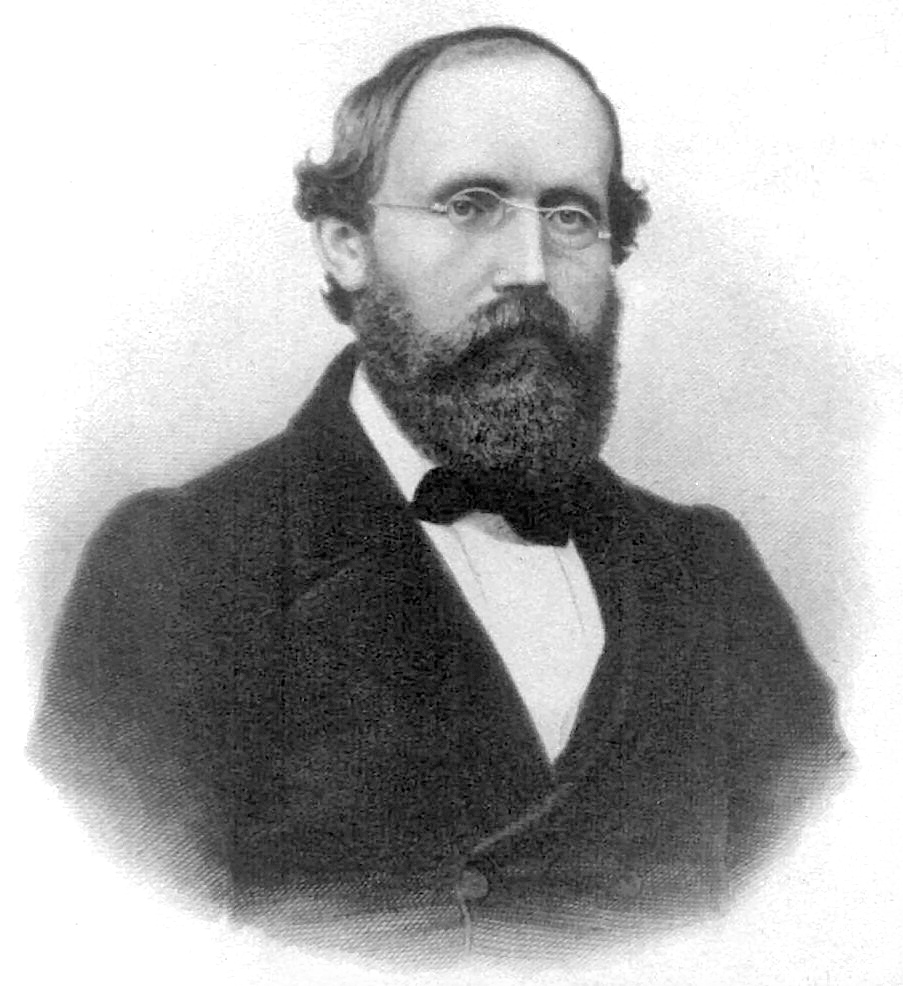
- Births: Bernhard Riemann, born in September 1826, who would become an influential mathematician in analysis and geometry.
- Deaths: In the United States two leading figures of the Revolutionary generation, Thomas Jefferson and John Adams, both died on July 4, 1826, the fiftieth anniversary of the Declaration of Independence; their simultaneous passing was widely remarked upon at the time.
Legacy: The developments of 1826 illustrate a world in transition. Treaty settlements and colonial adjustments altered political maps, nationalist causes continued to attract international engagement, and small but significant technological innovations—early photography and practical matches among them—hinted at changing daily life and communication that would accelerate through the century.
Questions and answers
Q: What is the significance of the year 1826?
A: The given text only states the year 1826, without any further context or information, so it is not clear what significance (if any) it holds.
Q: Can you provide any additional details about the year 1826?
A: Without additional context or information, it is difficult to say anything specific about the year 1826. It may be a significant year in a particular historical, cultural, or personal context.
Q: Are there any notable events that occurred in 1826?
A: Yes, there were many notable events that occurred in 1826, both globally and locally. For example, in the United States, the Erie Canal was completed, connecting the Great Lakes to the Atlantic Ocean. Also, John Adams and Thomas Jefferson both passed away on July 4th of that year, the 50th anniversary of the signing of the Declaration of Independence.
Q: Who were John Adams and Thomas Jefferson, and why are they significant?
A: John Adams and Thomas Jefferson were both Founding Fathers of the United States and principal authors of the Declaration of Independence. They served as Presidents of the United States, with Adams serving as the second President and Jefferson as the third. Their deaths on July 4th, 1826, fifty years after the signing of the Declaration of Independence, were seen as a symbolic passing of the torch from one generation to the next.
Q: What was the Erie Canal, and why was it significant?
A: The Erie Canal was a 363-mile waterway connecting the Hudson River to the Great Lakes, completed in 1826. It was a major engineering feat for its time and revolutionized transportation and commerce in the United States. The canal allowed goods to be transported from the Midwest to the East Coast much more quickly and cheaply than previously possible, and it helped spur economic growth and development in the region.
Q: What other major historical events occurred around the same time as the completion of the Erie Canal and the deaths of John Adams and Thomas Jefferson?
A: There were many other major historical events that occurred around the same time as these events, both globally and locally. In 1826, for example, the Greek War of Independence began, marking a significant turning point in the struggle for Greek autonomy from the Ottoman Empire. Also, the first successful photograph was taken by French inventor Joseph Nicéphore Niépce, laying the foundation for modern photography.
Q: How might the events of 1826 have impacted subsequent historical developments?
A: The events of 1826 had a significant impact on subsequent historical developments, both in the United States and globally. The completion of the Erie Canal helped spur economic growth and development in the United States, paving the way for further expansion and settlement. The deaths of John Adams and Thomas Jefferson marked the passing of a generation of Founding Fathers and helped solidify their place in American history. Additionally, the Greek War of Independence and the development of photography were both significant developments in their respective fields and had lasting impacts on culture and society.
Related articles
Author
AlegsaOnline.com 1826 Leandro Alegsa
URL: https://en.alegsaonline.com/art/111780