
The 1820s: politics, culture and early industrial change
An overview of the 1820s, a transitional decade marked by national revolutions, early industrial and scientific advances, Romantic culture, and shifting global power dynamics.
Overview
The 1820s (1820–1829) were a transitional decade following the Napoleonic wars. It was marked by the rise of national movements, continued industrialization in parts of Europe and North America, and vigorous debates about political reform and slavery. New technologies and scientific discoveries began to affect transport, communications and practical chemistry, while Romantic culture dominated the arts.
Image gallery
10 Images


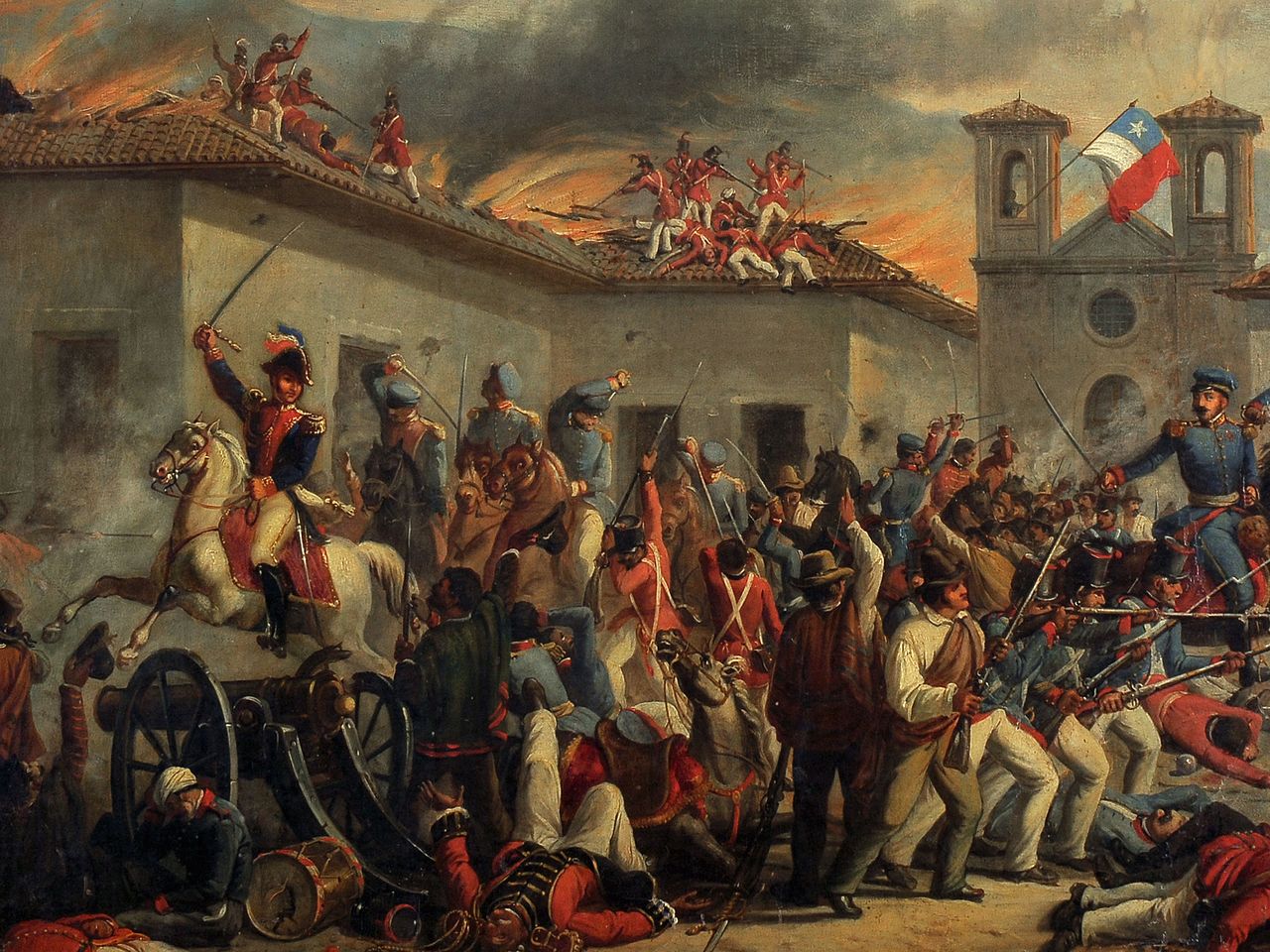


Politics and conflicts
The decade saw important uprisings and diplomatic shifts. The Greek War of Independence against Ottoman rule began in the early 1820s and drew wide European sympathy; international intervention and naval battles helped shape its outcome. In Russia, the Decembrist revolt of 1825 revealed elite opposition to autocratic rule. In the Americas, independence processes consolidated: Brazil proclaimed independence under Dom Pedro, and newly independent Latin American states struggled with internal divisions. The United States debated expansion and slavery, producing the Missouri Compromise and a contentious presidential election that ended with Andrew Jackson’s victory in 1828. The Monroe Doctrine (1823) asserted a growing American role in inter-American affairs.
Economic and technological developments
Industrial growth accelerated where coal and capital were available. Canals and early railways expanded inland transport—major canal openings and experimental public railways appeared during the decade—while steam power spread to river and coastal shipping. In science, discoveries about electromagnetism and early breakthroughs in photography changed the possibilities for communication and recording. These technical changes fostered faster trade and urban growth, though their social effects varied widely by region.
Culture, science and society
Romanticism dominated literature, painting and music, emphasizing emotion, nature and national identity. Several prominent Romantic figures died in the decade, and their fame helped popularize nationalist causes. In the sciences, experimentation in chemistry, geology and physiology continued; public health debates and anti-slavery activism became more prominent in political life. Missionary and commercial expansion accompanied European imperial ambitions, bringing both cultural exchange and intensified colonial control.
Notable events and figures
- Major events: the Missouri Compromise, the Monroe Doctrine, the Greek struggle for independence, the Decembrist revolt, canal and early railway openings.
- Prominent people: Simón Bolívar and other Latin American leaders, Dom Pedro I of Brazil, Lord Byron (a Philhellenic icon), John Quincy Adams and Andrew Jackson, scientists and engineers who advanced early electrical and photographic work.
The 1820s are often seen as a bridge between the revolutionary age that followed the French Revolution and the more industrial and nationalist conflicts of the mid-19th century. Political realignments, technological beginnings and a vibrant cultural scene set patterns that would shape the following decades.
Questions and answers
Q: What happened during the 1820s?
A: It was a decade in the 19th century.
Q: Can you give more specific information about the events that happened during the 1820s?
A: Without any specific context, it's difficult to provide a detailed answer.
Q: Was there any significant historical event that happened during the 1820s?
A: Yes, there were several significant historical events that took place during that time, including the Missouri Compromise (1820) and the beginning of the Industrial Revolution in Great Britain.
Q: Who were the key figures during the 1820s?
A: There were numerous key figures during the 1820s in various fields, such as politics, literature, and science. Some notable names include John Quincy Adams, Jane Austen, and Charles Darwin.
Q: What was the political climate like during the 1820s?
A: The political climate was tumultuous, with various power struggles and conflicts taking place around the world. In the United States, for example, there were ongoing debates about slavery and states' rights.
Q: What were the major literary works published during the 1820s?
A: Some of the major literary works that were published during the 1820s include "Pride and Prejudice" by Jane Austen, "The Legend of Sleepy Hollow" by Washington Irving, and "The Bride of Lammermoor" by Sir Walter Scott.
Q: How did technology develop during the 1820s?
A: There were a few notable technological developments during the 1820s, including the introduction of the first practical steam locomotive and the invention of the electrostatic generator by Michael Faraday.
Related articles
Author
AlegsaOnline.com The 1820s: politics, culture and early industrial change Leandro Alegsa
URL: https://en.alegsaonline.com/art/111773