
1827 — Navarino, Beethoven's death, and early photography
Key events of 1827: the Battle of Navarino in the Greek War of Independence, the death of Ludwig van Beethoven, early photographs by Nicéphore Niépce, and developments in transport and institutions.
Overview
1827 was marked by decisive military action, major cultural transition and early steps in photographic and transport technology. The year is remembered for a naval engagement that affected the fate of the Ottoman presence in Greece, the death of a leading composer whose work bridged musical eras, and continuing experiments that would lead to practical photography.
Image gallery
10 Images




Politics and warfare
The most consequential military event of 1827 was the Battle of Navarino, in which a combined British, French and Russian fleet defeated an Ottoman–Egyptian armada. Fought in the eastern Mediterranean during the Greek War of Independence, the engagement significantly weakened Ottoman naval power and increased international pressure toward a diplomatic settlement over Greek autonomy.
Culture and notable deaths
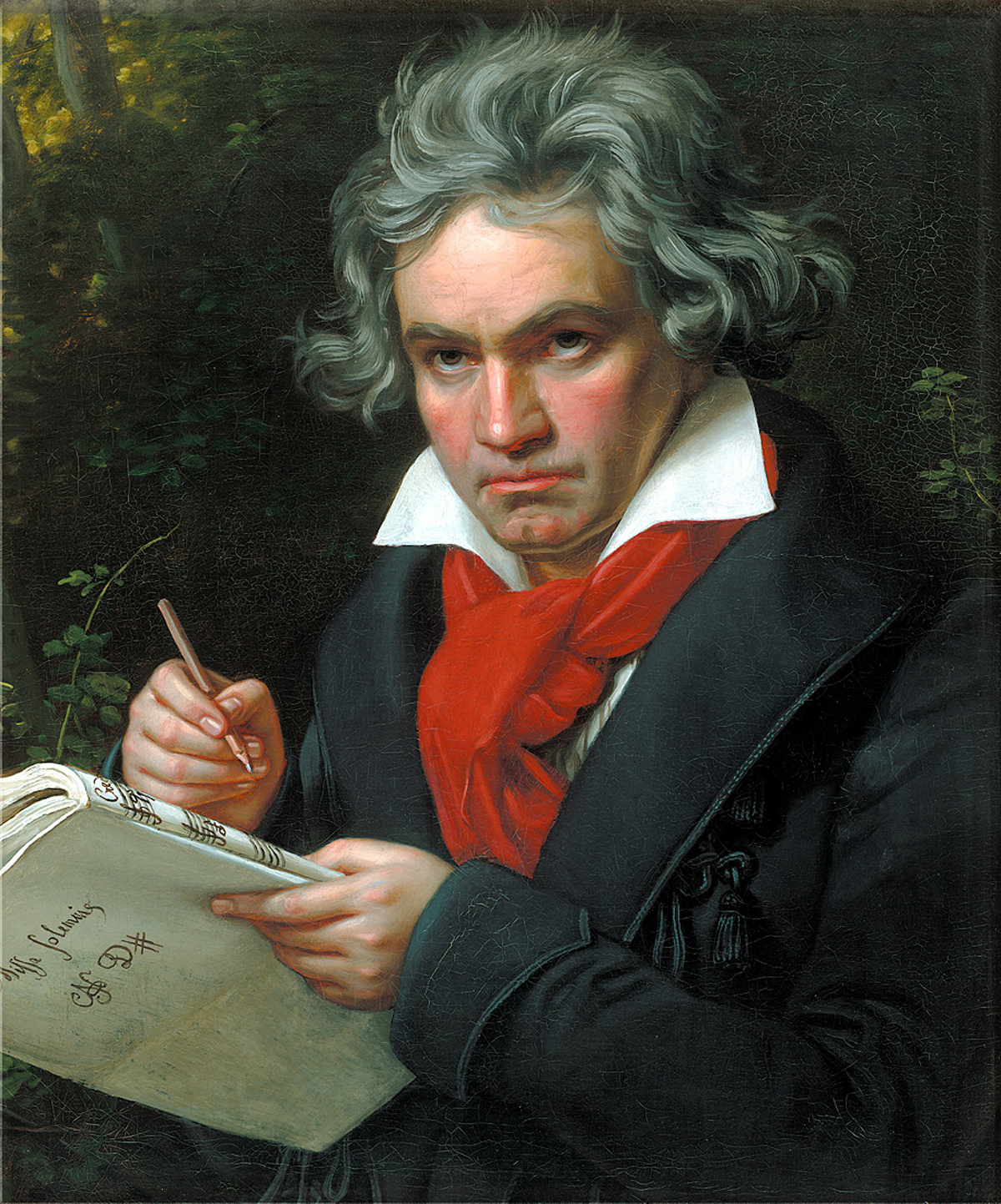
On March 26, 1827 Ludwig van Beethoven died in Vienna. Beethoven’s late works had a profound influence on the transition from Classical to Romantic music; his death prompted widespread mourning and reassessment of his legacy across Europe. The year also saw continued activity in literature, theatre and the visual arts as Romantic movements matured.
Science, technology and industry
In the field of imaging, Joseph Nicéphore Niépce produced what is commonly cited as the earliest surviving permanent photographic image (often dated c.1826–1827), demonstrating a light-sensitive process that could record a view over long exposures. Meanwhile, rail transport and steam technology continued to develop: early charters, surveys and local projects in Europe and North America expanded the foundations for the coming decades of railway growth.
Institutions and social developments
Educational and civic institutions expanded in several countries in the 1820s; 1827 saw the continued founding, reform or enlargement of colleges, learned societies and public services that responded to urbanisation and industrial change.
Legacy and significance
Events of 1827 influenced geopolitics, culture and technology. Navarino altered the balance of influence in the eastern Mediterranean and hastened diplomatic moves toward Greek independence. Beethoven’s death marked the end of an era and prompted generations of composers to build on his innovations. Early photographic experiments signalled new possibilities for recording and disseminating images.
Selected highlights
- Battle of Navarino — decisive naval action during the Greek struggle for independence.
- Death of Ludwig van Beethoven (March 26, 1827) — major cultural milestone.
- Early surviving photograph by Nicéphore Niépce (c.1826–27), showing limitations and promise of heliographic processes.
- Ongoing growth of rail transport projects and expansion of educational and civic institutions.
Questions and answers
Q: What happened in 1827?
A: The text does not provide enough information to answer this question.
Q: Can you provide more context for the text?
A: Unfortunately, no additional context is given with the text.
Q: What could the year 1827 signify or represent?
A: It's difficult to speculate, but it could represent any number of historical or cultural events that occurred during that year.
Q: Is there any significance or symbolism associated with the number 1827?
A: Again, there is not enough information given to determine this.
Q: Was 1827 a significant year in world history?
A: This is impossible to answer without more information. There were likely important events that occurred during that year, but further research is needed to identify them.
Q: In what context might someone bring up the year 1827?
A: It's possible that someone might mention this year when discussing a specific historical or cultural event that occurred during that time period.
Q: Could there be any connection between the year 1827 and any famous people or figures?
A: It's possible, but without additional information it's difficult to say for sure.
Related articles
Author
AlegsaOnline.com 1827 — Navarino, Beethoven's death, and early photography Leandro Alegsa
URL: https://en.alegsaonline.com/art/111781