
1758 — year in the 18th century
Overview of the year 1758: calendar details, major events (Seven Years’ War), scientific milestones such as Linnaeus’s Systema Naturae (10th ed.), and notable births including James Monroe.
The year 1758 (MDCCLVIII) was a common year in the middle of the 18th century. It is numbered 1758 in the Common Era (CE) and Anno Domini (AD) systems and falls in the 2nd millennium and the 18th century. In contemporary calendars, 1758 began on a Sunday in the Gregorian system and on a Thursday in the Julian system; by that time the Gregorian calendar ran 11 days ahead of the Julian, which some countries continued to use for many decades.
Image gallery
10 Images


Political and military context
1758 was dominated internationally by the Seven Years’ War, a wide-ranging conflict fought across Europe, North America, West Africa and Asia. Campaigns in North America are among the better known: British expeditions captured strategic French positions that year, while other actions met with mixed results. In Europe the war pitted Prussia and Britain against a coalition including Austria, France and Russia; several large, hard-fought battles left heavy casualties without producing a decisive single outcome that year.
Science, culture and administration
On the intellectual front, 1758 is remembered because Carl Linnaeus’s 10th edition of Systema Naturae appeared in that year. That publication later became the formal starting point for modern zoological nomenclature, and Linnaeus’s binomial naming system had a lasting influence on biology and natural history. Administratively, many states continued adapting taxation, military recruitment and colonial governance to the realities of global war.
People and legacy
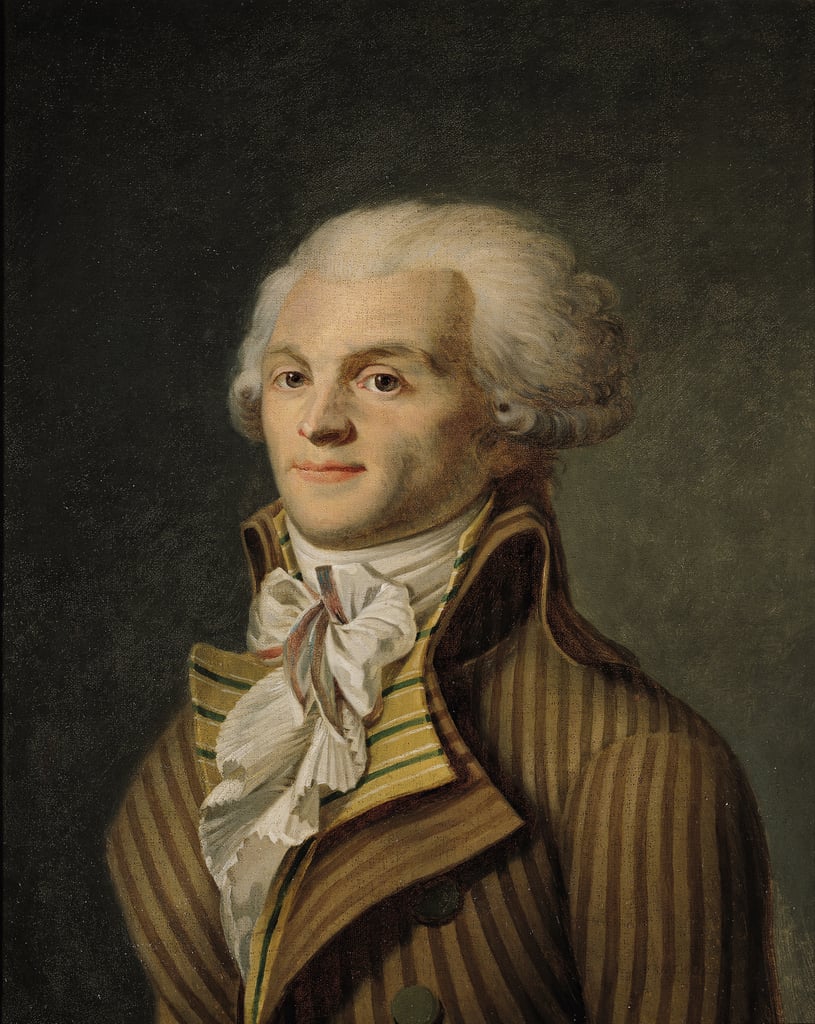
Among notable births in 1758 was James Monroe, later a president of the United States. The events and publications of the year fed into longer political and scientific developments: military campaigns altered colonial possession patterns, while scientific works helped shape later classification and study of living organisms. The year is often referenced in chronological lists and historical timelines of the mid-18th century.
Selected topics and further reading
- Chronology and calendar details for 1758
- Overview of the Seven Years’ War
- North American campaigns of 1758
- European battles and diplomacy in 1758
- Carl Linnaeus and Systema Naturae (10th ed.)
- Development of zoological nomenclature
- Biographies of notable figures born in 1758
- Colonial administration during the 1750s
- Social and economic conditions in mid-18th century Europe
- Maps and military campaigns of 1758
- Primary documents and archival sources for the year 1758
Related articles
Author
AlegsaOnline.com 1758 — year in the 18th century Leandro Alegsa
URL: https://en.alegsaonline.com/art/111699