
1764
Overview of the year 1764: imperial legislation in Britain’s North American colonies, key events in South Asia and Poland, early industrial inventions, and social and cultural developments shaping the late 18th century.
1764 was a year in the immediate aftermath of the Seven Years' War when governments, merchants and inventors moved to consolidate new advantages and to respond to wartime debts and territorial changes. The year saw legislative and fiscal measures within the British Empire, important military outcomes on the Indian subcontinent, technological beginnings in textile manufacture, and social tensions on North American frontiers that foreshadowed later conflicts.
Image gallery
6 Images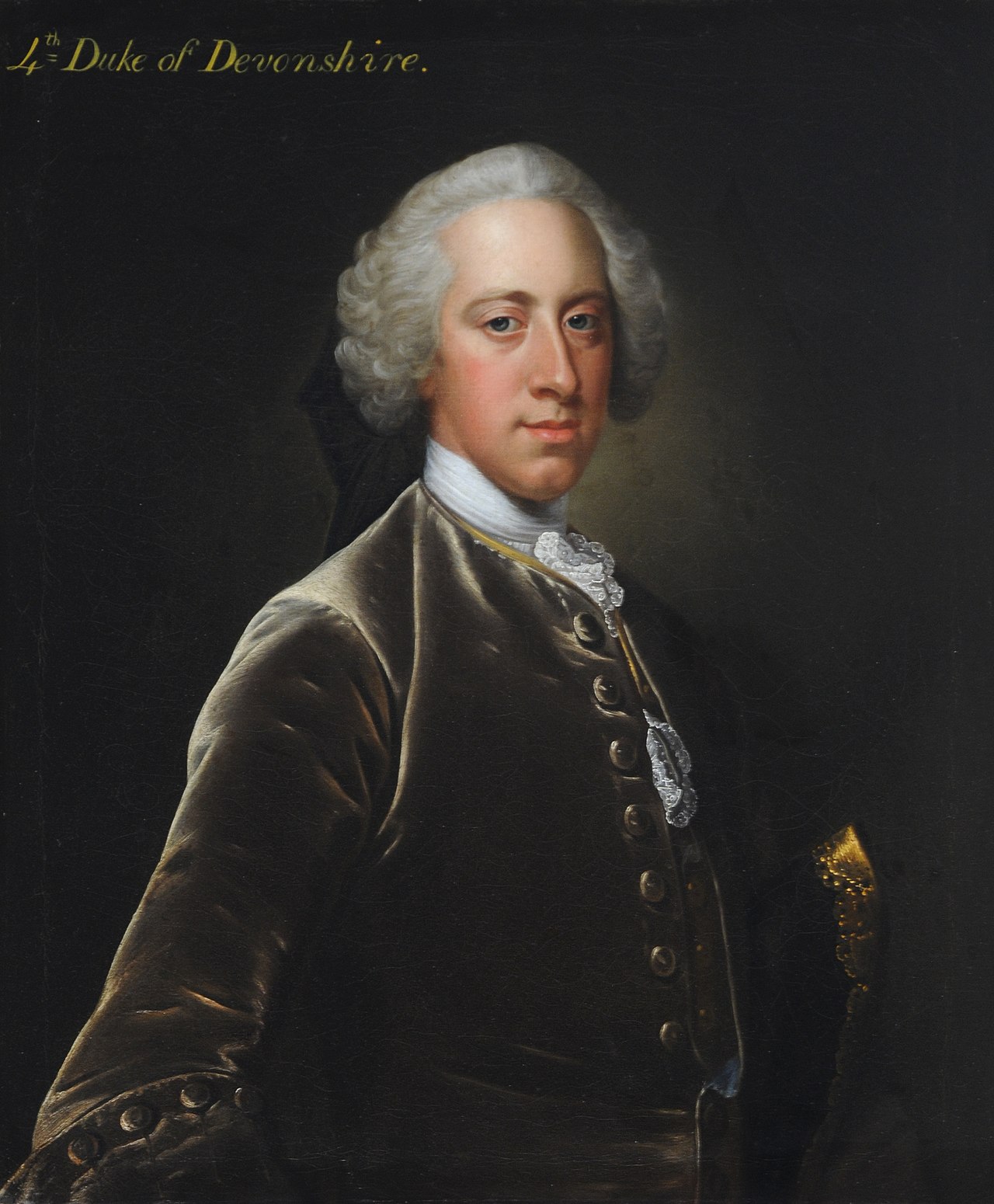


Major political and imperial events
In London Parliament adopted measures intended to reorganize imperial finance and trade. Notable among these were Acts that tightened control over colonial commerce and restricted the issuance of local paper currency, measures designed in part to help Britain cover the costs of recent wars. These policies were met with increasing unease in the North American colonies, where debates about taxation, representation and economic autonomy intensified.
Poland and eastern Europe
The Polish–Lithuanian Commonwealth underwent a contested royal election in 1764 that brought Stanisław August Poniatowski to the throne with important backing from neighboring powers. His accession reflected the strong influence of Russia and the complicated balance of power in eastern Europe, and it set the stage for a period of internal reform attempts and foreign interference.
War, empire and South Asia
On the Indian subcontinent the British East India Company consolidated military and political gains made earlier in the decade. A decisive encounter in 1764 further weakened several regional rulers and hastened the transition of the Company from a predominantly commercial enterprise to an armed political power with growing administrative and fiscal authority in Bengal and adjacent provinces.
Economic and technological changes
In the English textile districts a significant technological innovation appeared around this time: a multi-spindle spinning device developed in the woollen and cotton districts that allowed a single worker to produce yarn much more quickly than before. Attributed to inventors working in Lancashire, this and related changes accelerated the move from small-scale domestic manufacture toward larger, mechanized production and helped to lay important foundations for the Industrial Revolution.
Society, culture and North America
Social tensions on colonial frontiers continued to be prominent. Indigenous resistance to colonial expansion and settler demands for land and security produced confrontations in several regions. In British North America the legacy of wartime displacement and imperial policies contributed to incidents of unrest and to debates about frontier governance. Across Europe the intellectual and cultural currents of the Enlightenment continued to circulate in salons, courts and print, influencing discussions of government, economy and rights.
Notable consequences and significance
- Imperial fiscal and trade measures helped set the political conditions that increased colonial protest in North America in the years that followed.
- Military developments in South Asia strengthened the East India Company’s capacity to exercise territorial control and to assume revenue-collecting functions.
- Early textile machinery from about 1764 marked a turning point in production techniques and contributed to longer-term changes in labor organization and industrial growth.
Related articles
Author
AlegsaOnline.com 1764 Leandro Alegsa
URL: https://en.alegsaonline.com/art/111706