
The 1750s: a decade of conflict, Enlightenment and global change
Survey of the 1750s: rising imperial conflicts and the lead-up to the Seven Years' War, the Lisbon earthquake, Enlightenment debate, colonial shifts in India and North America, scientific inquiry and institutional reform.
Overview
The 1750s were a consequential decade in the mid-18th century, when imperial rivalry, intellectual debate and social change combined to reshape global politics and culture. European powers contested trade routes and colonies, producing military campaigns and diplomatic realignments. At the same time, the broad currents of the Enlightenment influenced debates about religion, government and natural science, while notable natural disasters provoked philosophical reflection and practical rebuilding.
Image gallery
10 Images
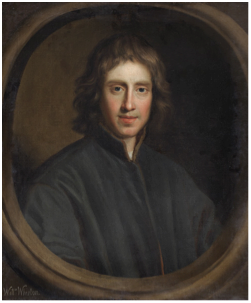
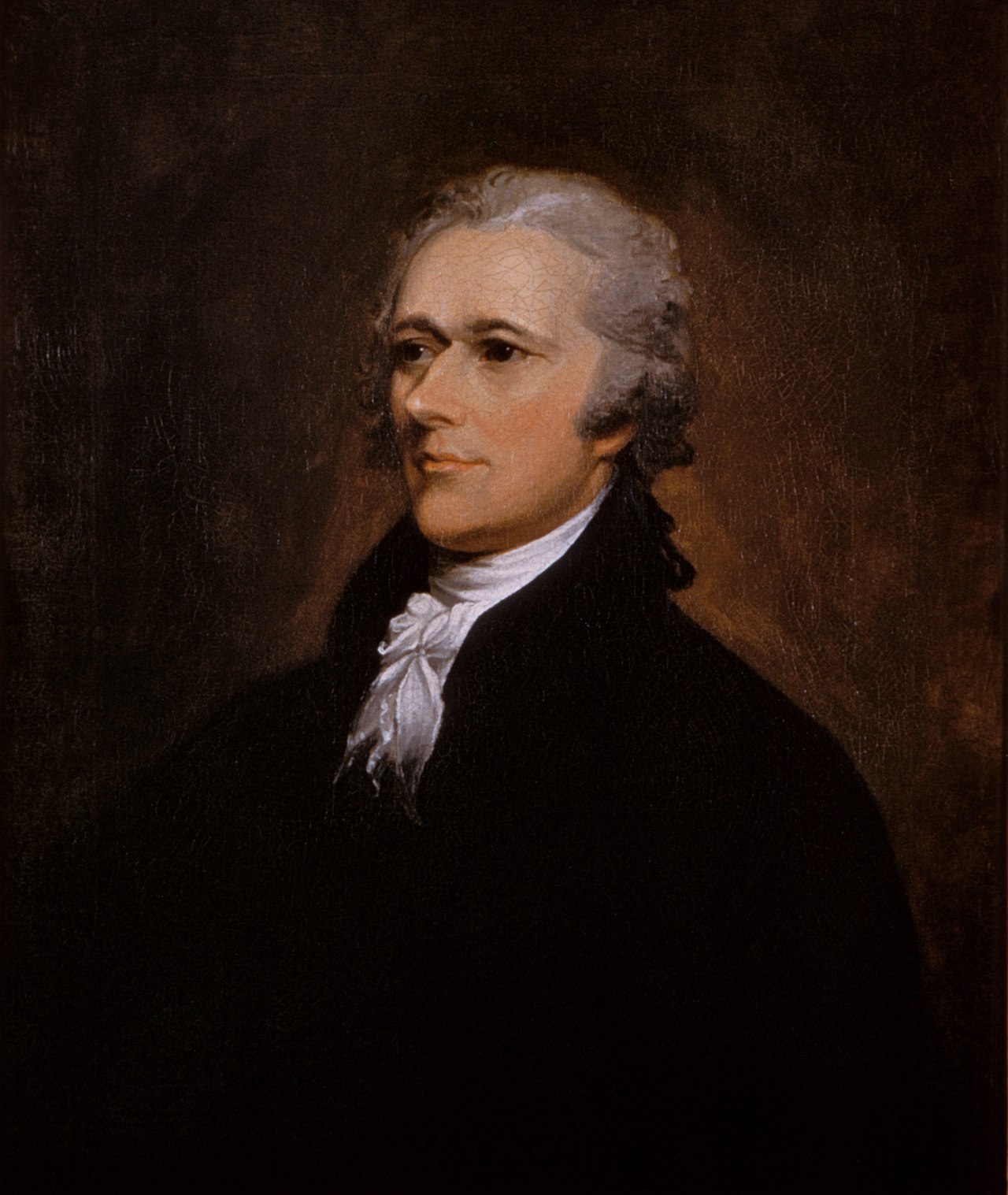


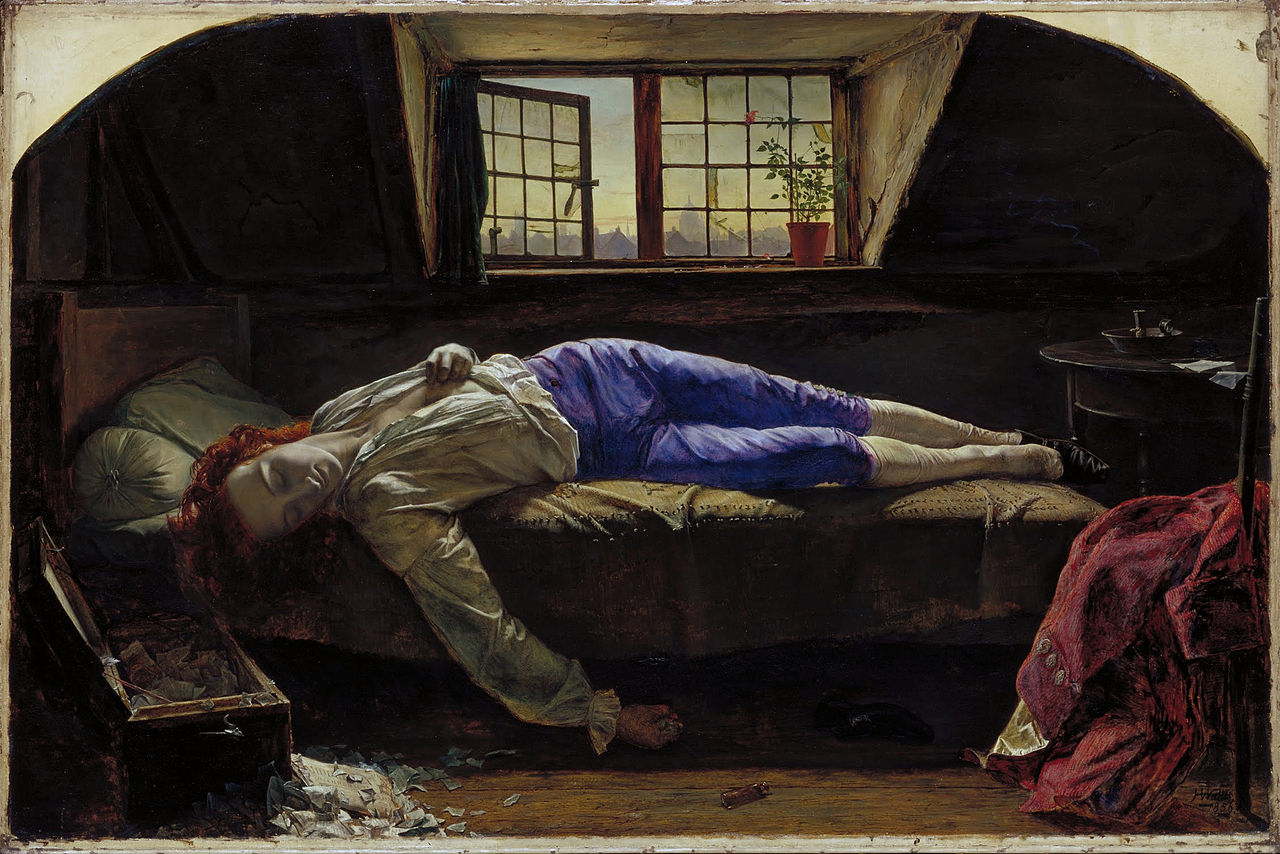
Major events and conflicts
The decade witnessed events that led directly into the Seven Years' War (commonly dated from 1756). In North America, the French and Indian War escalated colonial fighting between Britain and France. In South Asia, British victories such as the Battle of Plassey in 1757 accelerated the expansion of Company rule in Bengal and altered regional power balances. Naval confrontations and colonial raids reflected a wider struggle for overseas commerce and strategic ports.
Intellectual, cultural and religious life
Enlightenment ideas continued to circulate in salons, print and learned societies. The Lisbon earthquake of 1755 produced intense philosophical and theological responses, challenging optimistic accounts of providence and human mastery of nature. Music and the arts also evolved: the composer Wolfgang Amadeus Mozart was born in 1756, while established figures such as George Frideric Handel died in 1759. Literature, periodicals and expanding public discourse helped spread new political and moral arguments.
Science, institutions and administration
Scientific inquiry and practical experimentation advanced, exemplified by electrical studies and improvements in navigation and surveying. Several administrative reforms and institutions date to the period: Britain adopted the Gregorian calendar in 1752 and the British Museum was created by Act of Parliament in the early 1750s. These developments reflected growing state capacity and the institutionalization of knowledge.
Legacy
The 1750s functioned as a hinge between earlier colonial competition and later 18th-century revolutions and industrial change. Its mix of war, intellectual ferment, institutional growth and urban reconstruction shaped political and cultural trajectories across Europe, the Americas, Asia and beyond.
Related articles
Author
AlegsaOnline.com The 1750s: a decade of conflict, Enlightenment and global change Leandro Alegsa
URL: https://en.alegsaonline.com/art/111691