
1761 (year)
A year in the 18th century notable for the Third Battle of Panipat, ongoing global conflict of the Seven Years' War, coordinated observations of the Transit of Venus, and the marriage of King George III.
Overview
1761 was a year in the mid-18th century framed by intense international rivalry and scientific curiosity. The long-running Seven Years' War continued to shape diplomatic and military actions across Europe, North America, the Caribbean and India. At the same time, coordinated scientific observations and high-profile royal events drew public attention in several states.
Image gallery
5 Images


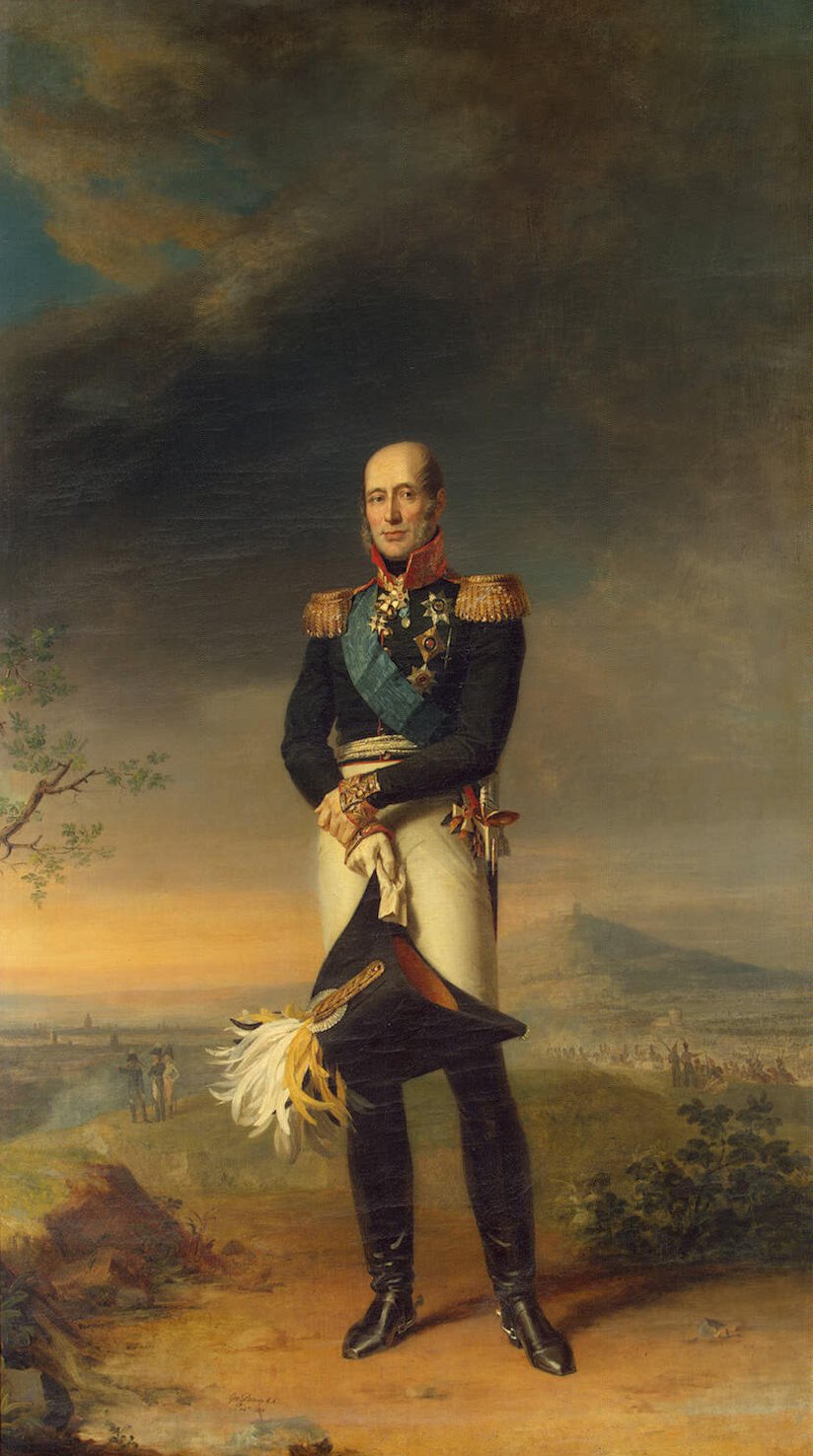

Major political and military events
Armed conflict and shifting alliances dominated world affairs in 1761. European great powers carried their rivalries into colonial theaters, with naval and land operations affecting trade, colonies and local regimes. In South Asia a decisive encounter, the Third Battle of Panipat, occurred on January 14, 1761: Afghan forces under Ahmad Shah Durrani defeated a large Maratha army, an outcome that checked Maratha expansion in northern India and altered the subcontinent's balance of power for years to come.
Science, exploration and culture
1761 was also important for astronomy. On June 6 many observers around the world recorded the Transit of Venus across the Sun. These coordinated measurements were part of an international effort, inspired by earlier proposals, to use parallax and timing of the transit to refine the scale of the solar system and estimate the distance between Earth and the Sun. The year saw continued interest in voyages, natural philosophy and the circulation of ideas that characterized the Enlightenment.
Royal and diplomatic life
Monarchies remained central to public life. In Britain, King George III married Charlotte of Mecklenburg-Strelitz in 1761, a dynastic union with cultural and political visibility at home. Courts and capitals elsewhere managed coalition politics, treaty negotiations and colonial administration amid the pressures of war.
Significance and legacy
The events of 1761 illustrate mid-century dynamics: globalized warfare, the contest for empires and growing scientific cooperation. Military outcomes, especially in India, contributed to long-term regional change, while international scientific projects such as the Transit of Venus helped establish collaborative methods that later improved astronomical measurement and navigation.
Selected themes
- Geopolitics: continuation of the Seven Years' War and its colonial consequences.
- South Asia: the Third Battle of Panipat and its effects on regional power structures.
- Science: Transit of Venus observations advancing efforts to measure the solar system.
- Ceremony and monarchy: royal marriages and court diplomacy shaping alliances and public life.
Related articles
Author
AlegsaOnline.com 1761 (year) Leandro Alegsa
URL: https://en.alegsaonline.com/art/111703