
1762
A pivotal year in the Seven Years' War and the European Enlightenment: Russia's imperial change, major wartime captures by Britain, and the publication of Rousseau's influential works.
1762 was a year of sharp political shifts and cultural controversy. Occurring in the later phase of the Seven Years' War, it saw dramatic changes in leadership, diplomatic realignments and naval campaigns that influenced the balance of power in Europe and overseas. The year is also notable in intellectual history for the publication of major Enlightenment works that provoked public and official reactions.
Image gallery
6 Images



Major political events
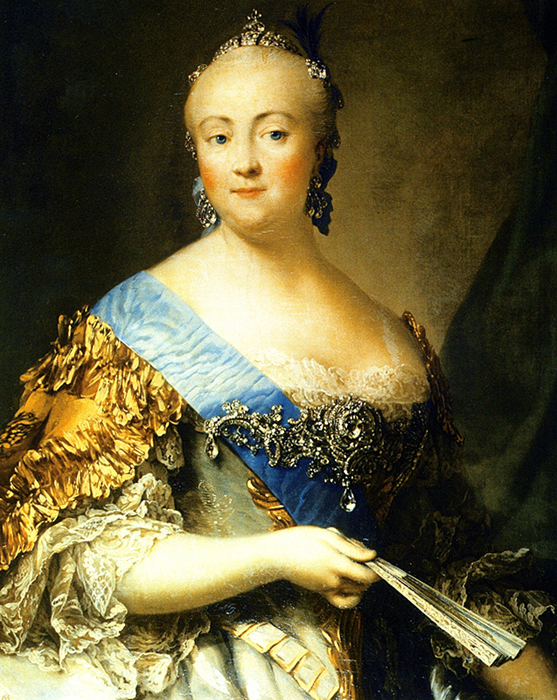
Russia underwent one of the century's most consequential palace coups. After the death of Empress Elizabeth early in the year, her heir Peter III briefly took the throne and quickly sought peace with Prussia, culminating in a treaty that removed Russian pressure on Frederick the Great. In July a coup brought Catherine II (Catherine the Great) to power; Peter III was deposed and died soon after under circumstances long regarded as suspicious. Catherine's accession set the course for a long and influential reign.
Military and diplomatic developments
During the ongoing global conflict, Britain conducted major amphibious operations. British forces captured Havana from Spain and later occupied Manila, dealing significant blows to Spanish colonial possessions. Russia's withdrawal from hostilities after its treaty with Prussia relieved Berlin and altered coalition dynamics, helping to preserve Prussian territory until the wider peace settlements that followed the war.
Culture and ideas
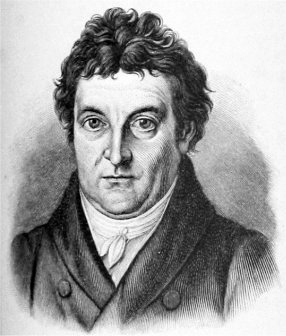
1762 was a landmark year in Enlightenment thought. Jean-Jacques Rousseau published two of his most important works, "The Social Contract" and "Emile, or On Education," which advanced radical ideas about political legitimacy and childhood education. Both books provoked strong responses from authorities and contributed to Rousseau's exile from France; their influence on later political thought and educational theory proved enduring.
Notable impacts and facts
- Russia's change of rulers weakened one anti-Prussian coalition and helped preserve Prussia's position in Europe.
- British captures of key colonial ports intensified negotiations and territorial exchanges that would be settled after the war.
- Rousseau's publications of 1762 helped spur debates about government, rights and schooling that resonated through the late 18th century.
In sum, 1762 combined decisive military episodes with important political turnover and influential intellectual developments. Its events shaped the diplomatic map and the intellectual climate that led into the concluding settlements of the Seven Years' War and the political debates of the later 18th century.
Related articles
Author
AlegsaOnline.com 1762 Leandro Alegsa
URL: https://en.alegsaonline.com/art/111704