
1766
Year notable for the repeal of the Stamp Act, the passage of an early freedom-of-press law in Sweden, and births of influential scientists and thinkers such as John Dalton and Thomas Malthus.
1766 was a year of political adjustments, legal innovation, and the births of several figures who later shaped science and political economy. It fell in the mid-18th century, a period of growing public debate about government authority, individual rights and the limits of imperial power. Events of 1766 fed into larger currents that would influence revolutions, reforms and scientific advancement over the following decades.
Image gallery
3 Images
Major political events
In the British Empire, imperial policy toward the American colonies underwent an important reversal: the unpopular Stamp Act, a direct tax on printed materials, was repealed. At the same time Parliament asserted its authority with a Declaratory Act, reaffirming that it could legislate for the colonies. These developments altered colonial‑metropolitan relations and helped set the stage for continuing disagreement over taxation and representation.
Legal and institutional developments
In Scandinavia, 1766 is remembered for the enactment in Sweden of a law widely regarded as the first formal statute protecting freedom of the press and public access to government records. Championed by Enlightenment‑era reformers, that measure became a landmark in the history of transparency, parliamentary oversight and civil liberties in Europe.
Notable births and cultural context
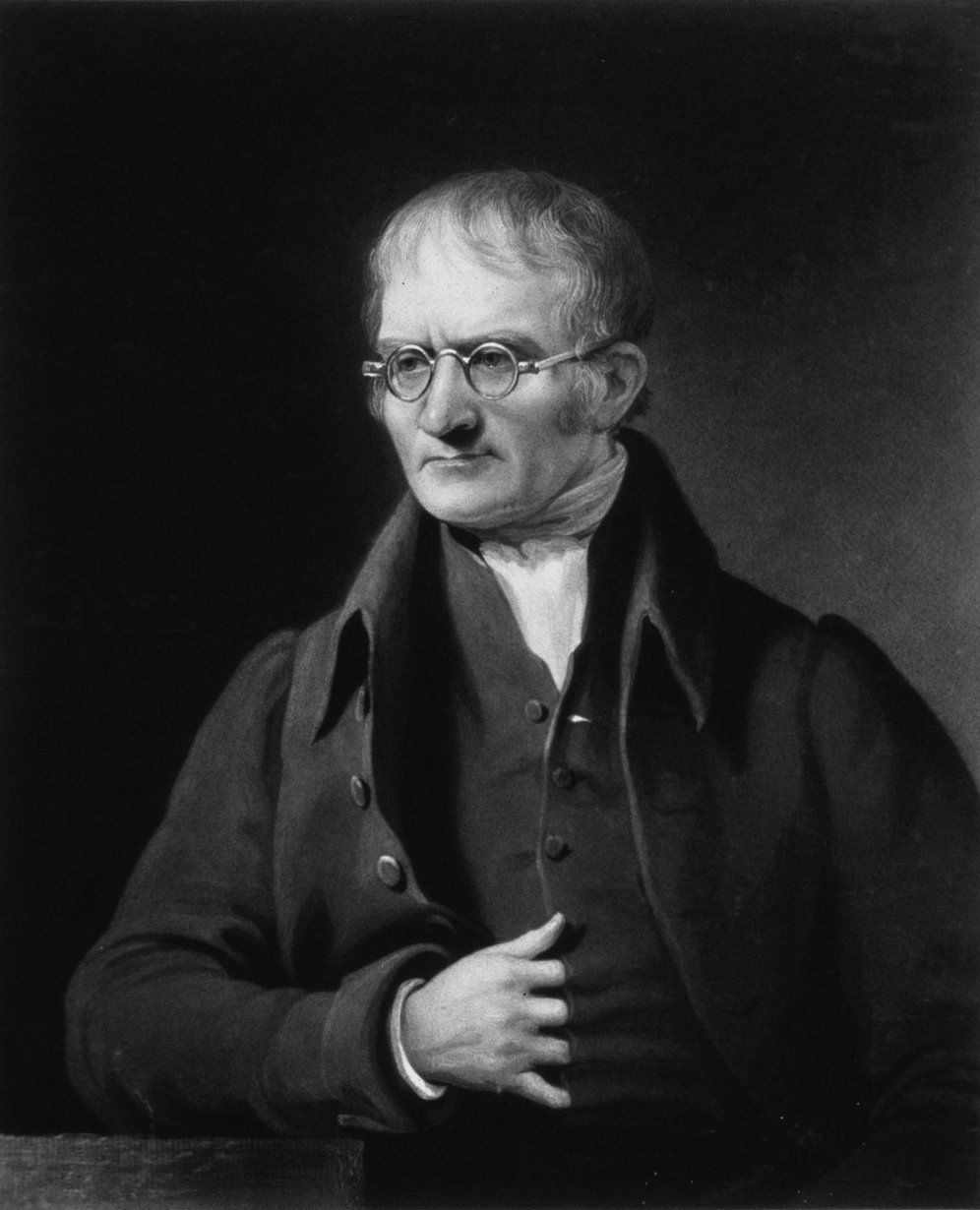
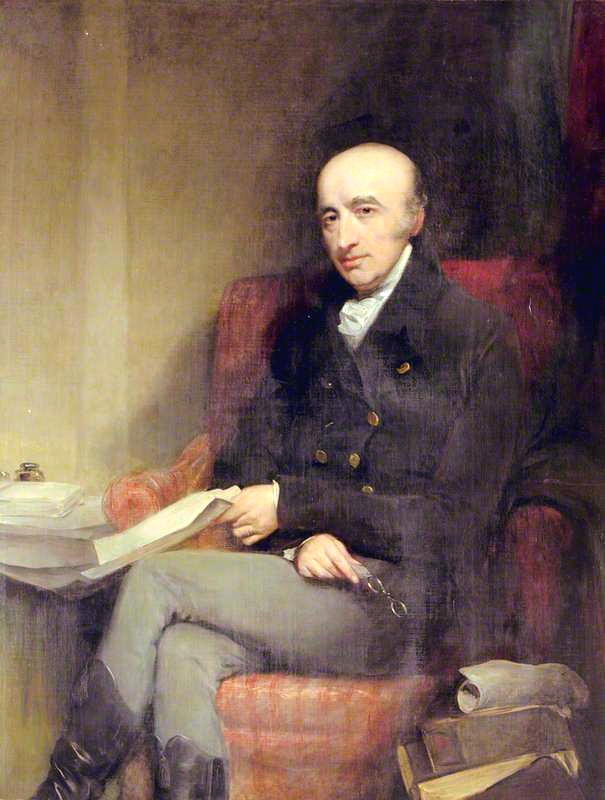
The year saw the births of several people who later became prominent in science and social thought. Among them were John Dalton, who developed early atomic theory and foundational work in chemistry and meteorology; Thomas Robert Malthus, known for his writings on population and political economy; and William Hyde Wollaston, who contributed to chemistry and material science. Their lives and work belong to a generation that advanced empirical science and applied it to practical and theoretical problems.
Importance and legacy
While not marked by a single defining war or treaty, 1766 mattered as a moment when legislative choices and intellectual currents pointed toward broader change. The British parliamentary actions affected colonial politics in North America, the Swedish press law influenced later ideas about transparency and freedom, and the births of scientists and thinkers added to an emerging network of Enlightenment and post‑Enlightenment inquiry. Together these threads contributed to the political, legal and scientific transformations of the late 18th and early 19th centuries.
Related articles
Author
AlegsaOnline.com 1766 Leandro Alegsa
URL: https://en.alegsaonline.com/art/111708