
1763 — End of the Seven Years' War and its global consequences
1763 marked the conclusion of the Seven Years' War: major peace treaties reordered colonial empires, Native resistance erupted in North America, and new imperial policies set the stage for later political conflicts.
Overview
1763 is widely seen as a turning point in eighteenth‑century global history. The major European combatants concluded treaties that redistributed overseas possessions and confirmed shifts in the balance of power. At the same time, resistance by Indigenous peoples in North America and new metropolitan policies exposed contradictions in imperial administration and colonial expectations.
Image gallery
4 Images


Major treaties and territorial changes
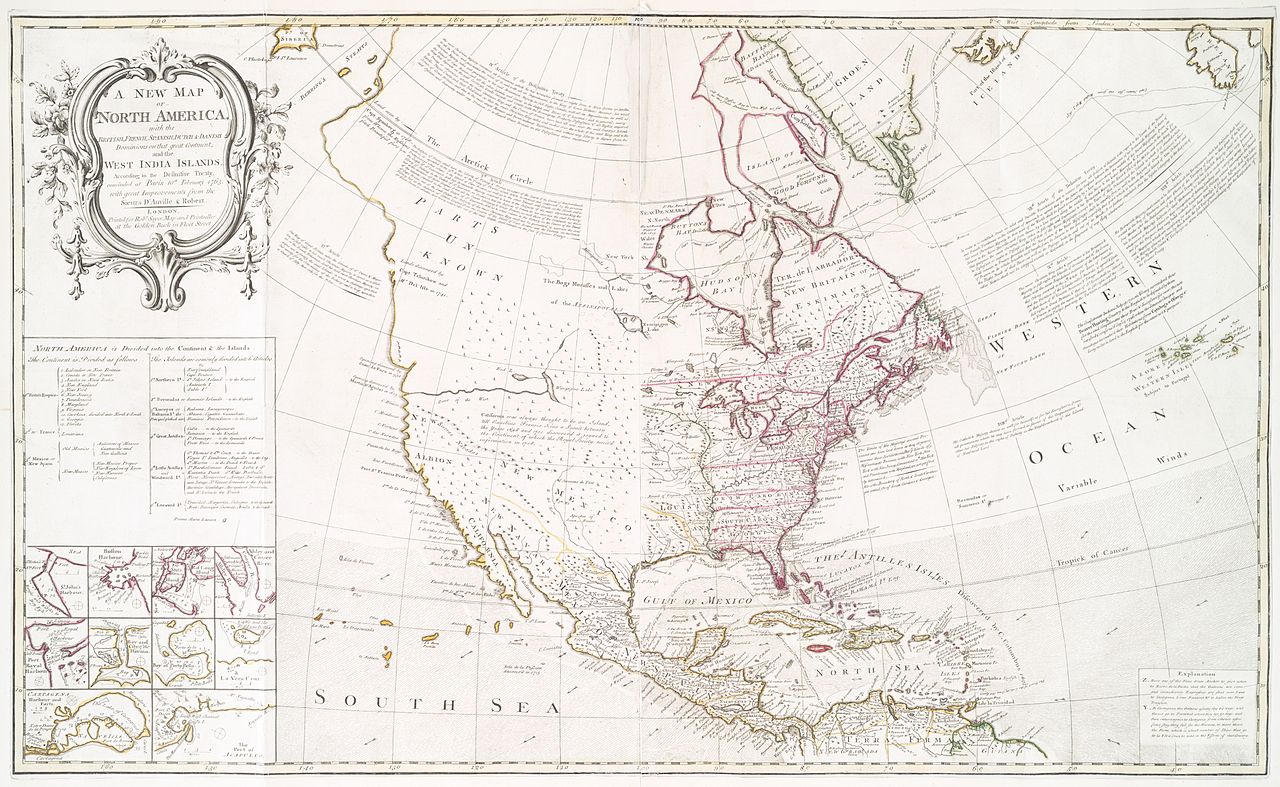
Peace settlements negotiated in 1763 brought the Seven Years' War to an end and reshaped colonial maps. The best known agreement, the Treaty of Paris, transferred large parts of continental North America from France to Britain and settled exchanges between Britain and Spain. A complementary settlement in central Europe, the Treaty of Hubertusburg, restored prewar borders while confirming Prussia's status as a major power after its successful defence of Silesia.
North America and Indigenous resistance
On the continent, the removal of French political control did not end contestation over territory. In the Great Lakes and Ohio Valley, a coalition of Indigenous nations, associated with leaders such as Pontiac of the Ottawa, rose in armed opposition to British military posts and settlements. That conflict, often called Pontiac's War, underscored how treaties among European states did not resolve Indigenous claims or frontier violence.
The Royal Proclamation and colonial reaction
In October 1763 the British crown issued the Royal Proclamation, which sought to organize newly acquired lands and to limit colonial settlement west of the Appalachian chain by recognising Indigenous territories and creating a regulated frontier. The measure aimed to reduce conflict and control expansion, but it provoked anger among colonists, land speculators and veterans who expected to settle or profit from western lands.
Global effects: India, the Caribbean and imperial finance
Beyond North America, the war confirmed and accelerated British commercial and political ascendancy in parts of India, where rival French influence was curtailed. In the Caribbean and elsewhere the settlement of prizes and exchanges altered trade networks. The enormous cost of war left European governments, especially Britain, with heavy debts and a drive to increase revenue from their empires, prompting new taxation and regulation that would strain metropolitan‑colonial relations.
Consequences and legacy
The events of 1763 had layered consequences: they produced a momentary British predominance in North America, strengthened Prussia in Europe, and revealed the limits of diplomatic settlements when they ignored local actors. Fiscal and administrative responses to recent territorial gains helped create new conflicts during the following decades, contributing to imperial reform efforts and colonial resistance that culminated in broader political realignments by the end of the century.
Notable points
- Global war, global settlement: the conflict connected theatres from Europe to North America, the Caribbean and South Asia.
- Diplomacy vs. reality: treaties altered claims on maps but did not settle local disputes with Indigenous peoples or colonists.
- Precedent for reform: postwar fiscal and administrative policies showed how wartime finance influenced peacetime governance.
Related articles
Author
AlegsaOnline.com 1763 — End of the Seven Years' War and its global consequences Leandro Alegsa
URL: https://en.alegsaonline.com/art/111705