
1536: A Pivotal Year in Early Modern History
Overview of key political, religious, and exploratory events of 1536, including Anne Boleyn's execution, the Pilgrimage of Grace, Calvin's Institutes, and New World foundations.
Overview
1536 was a year of intense political and religious change in Europe, and a period of active exploration and colonization in the Americas. Conflicts over royal authority and the Reformation shaped events in England and the Continent, while expeditions and settlements expanded European presence overseas.
Image gallery
4 Images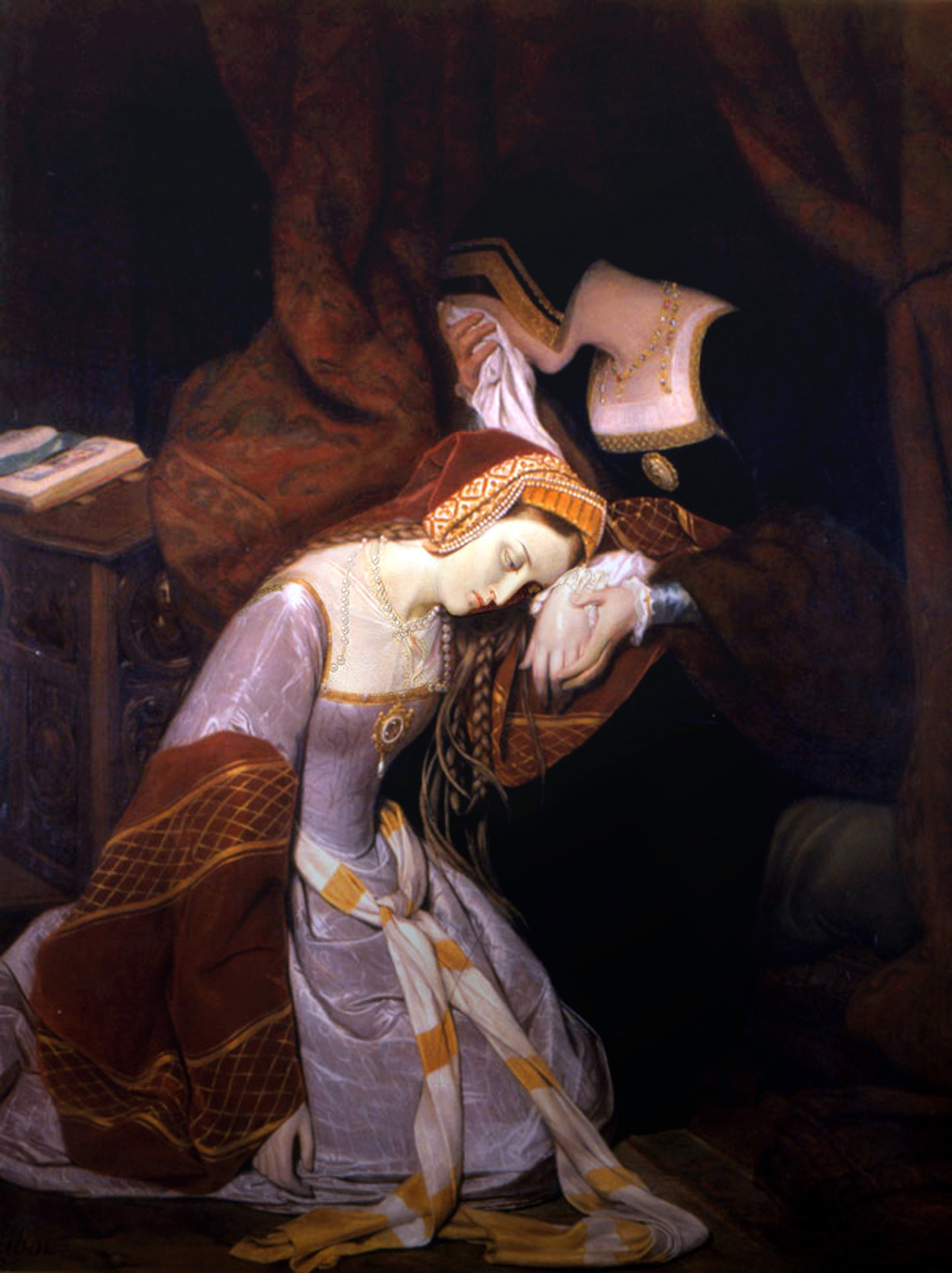


England: court, reform, and revolt
In England King Henry VIII's personal and political life dominated national affairs. On 19 May 1536 Anne Boleyn, his second queen, was executed after being convicted of treason, adultery and incest in a trial widely seen as politically charged. Eleven days later Henry married Jane Seymour. Parliament and the crown advanced measures that reduced the power of monasteries; the 1536 Act dissolving smaller religious houses initiated a wider program of suppression and redistribution of monastic wealth.
Resistance and unrest
The religious and economic changes provoked popular resistance. The Pilgrimage of Grace, a large Northern uprising that began in October 1536, drew thousands protesting the dissolution of monasteries, fiscal burdens and religious reform. The rebellion was suppressed, but it underscored the depth of popular opposition to abrupt ecclesiastical change.
Exploration and the Americas
European activity in the Americas continued to reshape indigenous societies. Pedro de Mendoza founded a first European settlement at the site of Buenos Aires in 1536. In the Andes, indigenous resistance to Spanish rule intensified: Manco Inca led a major rebellion against Pizarro's forces and mounted a siege of Cuzco during the year, reflecting mounting conflict in the wake of conquest.
Intellectual life and the Reformation
1536 was notable for religious thought: John Calvin published the first edition of his Institutes of the Christian Religion, an influential systematic statement of Protestant theology that would shape Reformed traditions. The year also witnessed the death of the leading northern humanist Desiderius Erasmus (12 July 1536), marking a transition in European intellectual life between Renaissance humanism and confessional reform.
Notable events and significance
- Execution of Anne Boleyn (19 May) and marriage of Henry VIII to Jane Seymour (30 May).
- Beginning of the legal suppression of smaller monasteries in England.
- Pilgrimage of Grace, major northern English uprising (Oct 1536).
- Pedro de Mendoza's foundation of Buenos Aires (1536) and Manco Inca's siege of Cuzco.
- Publication of John Calvin's Institutes and death of Erasmus.
Taken together, the events of 1536 illustrate the converging forces of religious reform, state centralization and overseas expansion that characterized the early modern period, with lasting consequences for politics, faith and global encounters.
Related articles
Author
AlegsaOnline.com 1536: A Pivotal Year in Early Modern History Leandro Alegsa
URL: https://en.alegsaonline.com/art/111461