
1545 — a year of war, reform, and global silver
Events of 1545 included the naval action in which the Tudor warship Mary Rose sank, the opening of the Council of Trent, and the discovery of the Potosí silver lode with worldwide consequences.
Overview
The year 1545 was shaped by military conflict in Western Europe, decisive developments in the Roman Catholic response to Protestantism, and far‑reaching economic change in the Americas. It occurred during the later phase of the Italian Wars and the early decades of European colonial expansion. Several episodes from this year—most visibly a naval disaster off the English coast and the meeting that became the Council of Trent—have continued to attract historical attention.
Image gallery
5 Images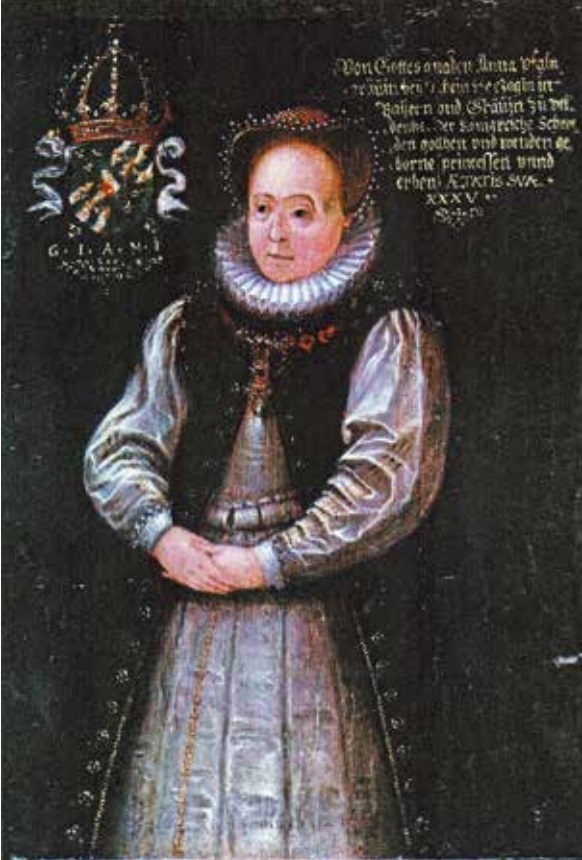


Europe: war at sea and the sinking of a warship
England and France were engaged in renewed hostilities during the mid‑1540s. In July 1545 a naval engagement in the Solent, an estuary off southern England, ended with the sinking of the Mary Rose, one of King Henry VIII’s principal warships. The loss of the ship and many of her crew became a dramatic symbol of Tudor naval warfare and of the risks of gunpowder warfare at sea. The Mary Rose lay on the seabed for centuries before being raised in the late 20th century, yielding a rich archaeological store of Tudor material culture.
Religion: the opening of the Council of Trent
On 13 December 1545 the first session of the Council of Trent opened under Pope Paul III. Convened in response to the Protestant Reformation, the council began a long program of doctrinal clarification, church reform, and disciplinary measures that would define the Counter‑Reformation. Although its work stretched intermittently over many years, the council’s start in 1545 marks a pivotal moment in early modern religious history.
The Americas: Potosí and the new global economy
About this time—commonly dated to around 1545—Spanish colonists discovered the vast silver deposits of Cerro Rico at Potosí in the highlands of present‑day Bolivia. The enormous output of silver from Potosí over the following centuries transformed Atlantic and Pacific trade, enriched Spain for a time, contributed to global price changes and inflation, and altered indigenous societies through forced labor and demographic disruption.
People and legacy
1545 saw the birth of individuals who later shaped institutions and scholarship; among the better‑documented births is Thomas Bodley (born 1545), an English diplomat who later founded the Bodleian Library at Oxford. More broadly, the year’s military losses, ecclesiastical initiatives, and colonial discoveries had long shadows: artifacts recovered from the Mary Rose expanded knowledge of Tudor life, the Council of Trent determined Catholic doctrine for generations, and Potosí’s silver fueled global economic connections.
Selected events
- Naval action in the Solent and the sinking of the Mary Rose (July 1545).
- Opening of the Council of Trent (13 December 1545), beginning the Counter‑Reformation’s central council.
- Approximate discovery of the Cerro Rico silver lode at Potosí, which soon became a major source of silver for the Spanish empire.
Notable facts
The combination of military, religious and economic events in 1545 exemplifies the interconnectedness of early modern Europe and its overseas empires: warfare at home and at sea, doctrinal contests within Christianity, and resource extraction overseas all contributed to shifting balances of power and long‑term social and economic change.
Related articles
Author
AlegsaOnline.com 1545 — a year of war, reform, and global silver Leandro Alegsa
URL: https://en.alegsaonline.com/art/111470