
1542: a pivotal year in exploration, reform and dynastic change
Survey of major developments in 1542, including exploration of the Americas, legal and religious reforms in Europe, and dynastic events in Scotland and England.
Overview
1542 falls in the middle of the 16th century, a period shaped by overseas exploration, religious conflict and centralising monarchies. Political power in Europe and its overseas empires was being consolidated even as new laws, missions and voyages extended contact between distant regions. The year saw events that affected colonial policy, dynastic succession and the Catholic Church's response to Protestant reform.
Image gallery
4 Images


Politics and dynastic change
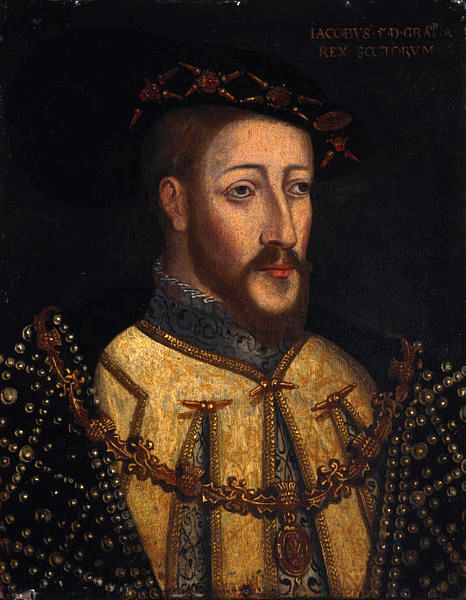
In the British Isles 1542 was notable for abrupt shifts of fortune. Scotland experienced a dynastic crisis when its king died and an infant queen succeeded, a change with long-term political consequences. In England the royal court continued to be marked by intrigue and the consequences of Henry VIII's marriages, which influenced domestic governance and foreign relations.
Exploration and overseas affairs
Exploration of the Americas and the Pacific continued to gather pace. Spanish expeditions probed the west coast of North America, and inland explorations in North and South America extended European knowledge of geography, indigenous societies and resources. These voyages intensified colonial competition and prompted administrative responses from European crowns.
Religion, law and administration
1542 saw important institutional and legal developments. The papacy took decisive steps to enforce doctrinal conformity and strengthen church courts as part of a broader Catholic reaction to Protestant movements. At the same time, imperial authorities in Spain moved to regulate colonial governance and the treatment of indigenous populations, issuing reforms intended to limit abuses in the Americas.
Notable births and deaths
- Births: The year produced royal and noble births whose lives would later shape politics in their realms.
- Deaths: Several prominent explorers and rulers who had directed earlier campaigns and voyages died in or around this year, creating openings for new leadership.
Significance
Although one year among many in a turbulent century, 1542 illustrates how exploration, legal reform and dynastic events were interconnected: overseas expansion drove administrative change, religious conflict shaped state institutions, and sudden shifts of succession could alter alliances. Studying 1542 highlights the globalizing tendencies of the early modern period and the local consequences of high politics.
Related articles
Author
AlegsaOnline.com 1542: a pivotal year in exploration, reform and dynastic change Leandro Alegsa
URL: https://en.alegsaonline.com/art/111467