
1537 (year)
Events of the year 1537 in the 16th century, including political, religious and colonial developments such as the birth of Edward VI, the papal bull Sublimis Deus, and continued Spanish expansion in the Americas.
Overview
The year 1537 falls in the middle of the 16th century, a period dominated by the European Renaissance, the Protestant Reformation and rapid overseas expansion by Spain and Portugal. Political and religious change across Europe intersected with colonial encounters in the Americas and Asia, producing legal and cultural responses that shaped later debates about sovereignty, conversion and indigenous rights.
Image gallery
6 Images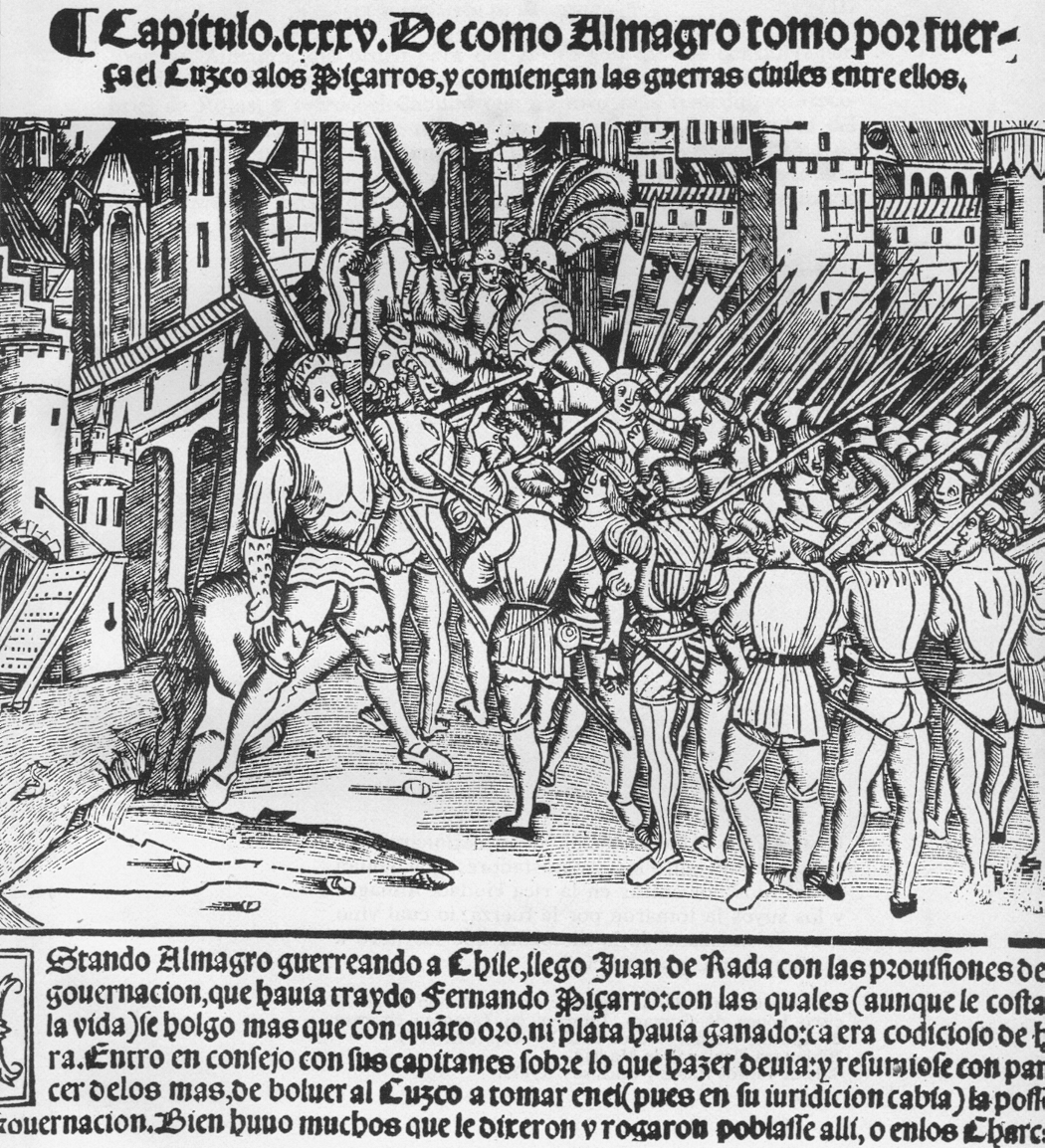


Major events
- England: The Tudor court experienced an important dynastic event late in the year when the future King Edward VI was born to Henry VIII and Jane Seymour. Jane Seymour died shortly after childbirth, altering the succession and court politics.
- Catholic Church: Pope Paul III issued important pronouncements in this period addressing the treatment of indigenous peoples encountered by Europeans. These papal acts contributed to early legal and moral discussions about slavery, evangelization and the rights of non‑European peoples.
- Religious policy in England: The English Reformation continued to be defined by new institutional texts. In 1537 English church authorities published materials intended to clarify doctrine and practice for the reformed Church of England.
- Overseas expansion: Spanish conquest and colonization in the Caribbean and the mainland of the Americas continued. Explorers, colonists and colonial administrations consolidated settlements, extracted resources and negotiated or fought with indigenous polities.
Religion, law and ideas
1537 fell during a period when both Protestant and Catholic leaders sought frameworks to govern faith, conversion and overseas conduct. In the Catholic world, papal declarations of the mid‑1530s addressed whether indigenous peoples were to be regarded as fully human in moral and legal senses; these statements informed later theological and legal controversies. In England, royal and episcopal initiatives sought to define the doctrines and liturgy of a national church separated from Rome.
Notable births and deaths
- Birth: Edward VI of England, son of Henry VIII and Jane Seymour, was born in October 1537; he later reigned as a child king after his father's death.
- Death: Jane Seymour, third wife of Henry VIII and mother of Edward VI, died soon after the birth of her son.
Historical significance
Although not a year defined by a single decisive battle or treaty, 1537 is notable for developments that had lasting consequences: the clarification of policies toward peoples encountered in the New World; continued institutional shaping of Protestant and national churches in Europe; and a dynastic succession in England that would influence Tudor politics for decades. The year reflects how local dynastic events and broader imperial and religious debates were tightly linked in the early modern era.
Related articles
Author
AlegsaOnline.com 1537 (year) Leandro Alegsa
URL: https://en.alegsaonline.com/art/111462