
1543 (Year)
1543 was a pivotal year of the Renaissance and Age of Discovery, noted for the publication of Copernicus and Vesalius, the first recorded Europeans in Japan, and significant political and cultural developments in Europe.
Overview
1543 is remembered as a hinge year in the early modern period: scientific works that reshaped European knowledge were published, new overseas contacts expanded global exchange, and political and cultural shifts continued across Europe. The year is often cited by historians as symbolic of the transition from medieval to modern ways of thinking.
Image gallery
9 Images




Scientific and medical milestones
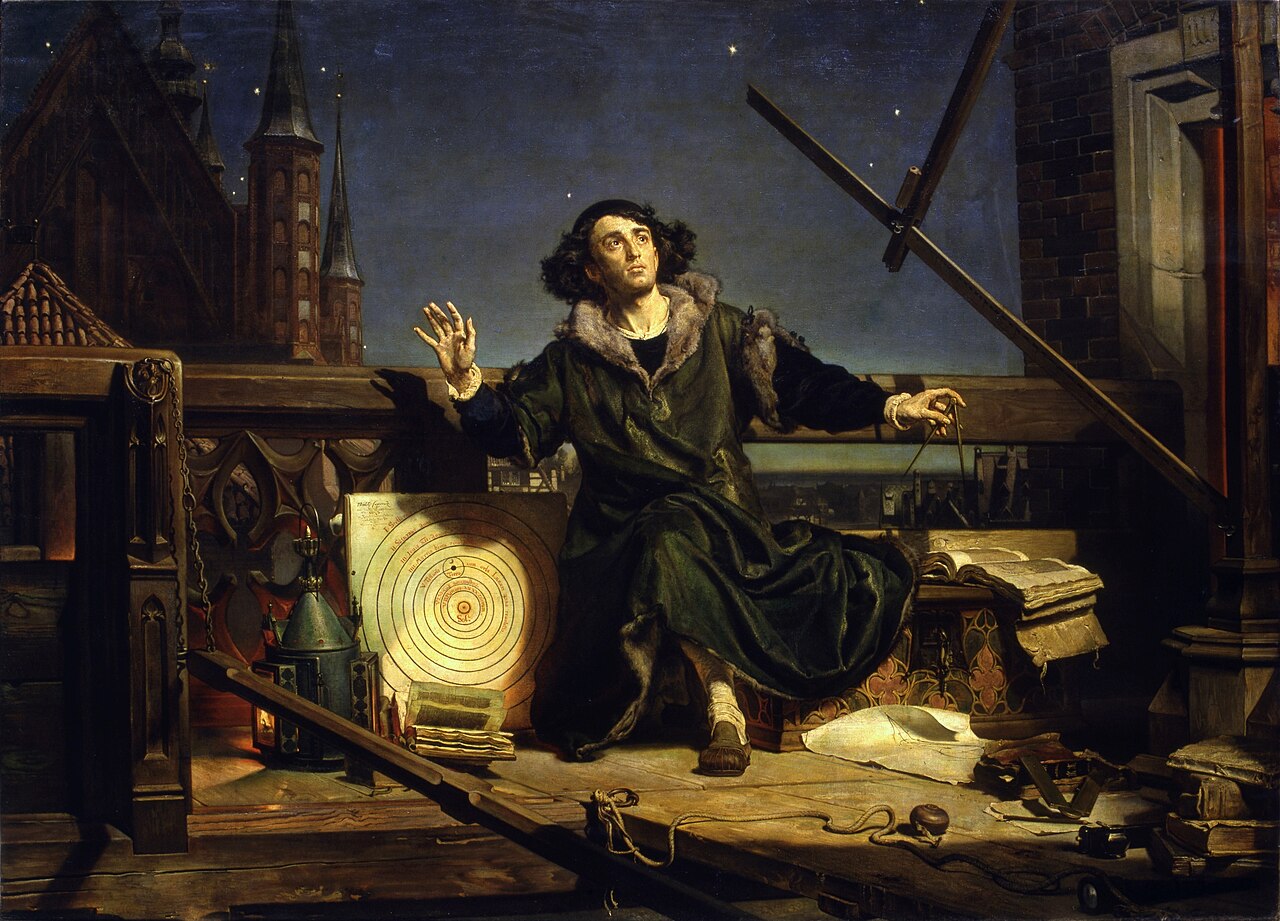
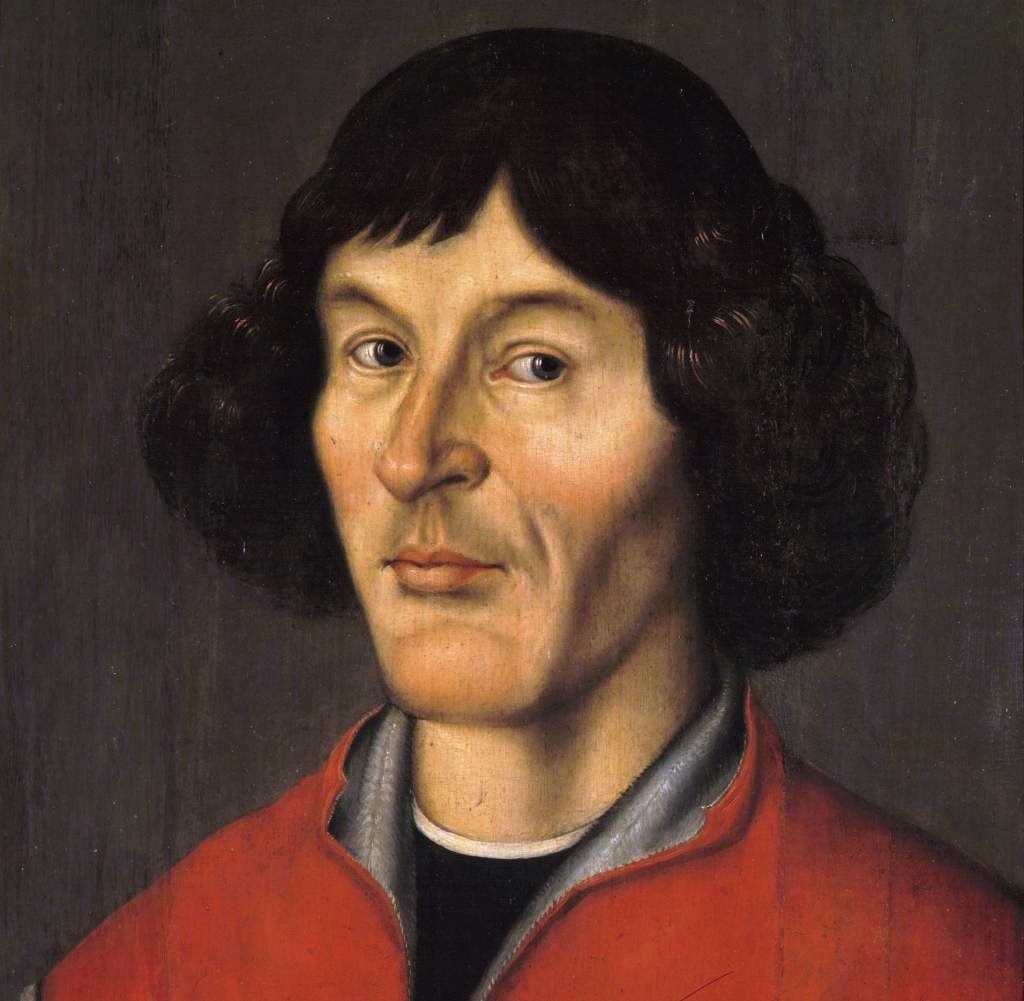
Two landmark books were brought to the public in 1543. Nicolaus Copernicus issued De revolutionibus orbium coelestium, proposing a heliocentric model in which the Earth and other planets orbit the Sun. The same year saw the release of Andreas Vesalius’s De humani corporis fabrica, a thorough, illustrated study of human anatomy that corrected longstanding errors derived from ancient authorities. Copernicus died shortly after his book appeared; both works helped stimulate the scientific inquiry that defined the Renaissance.
Exploration and first contacts
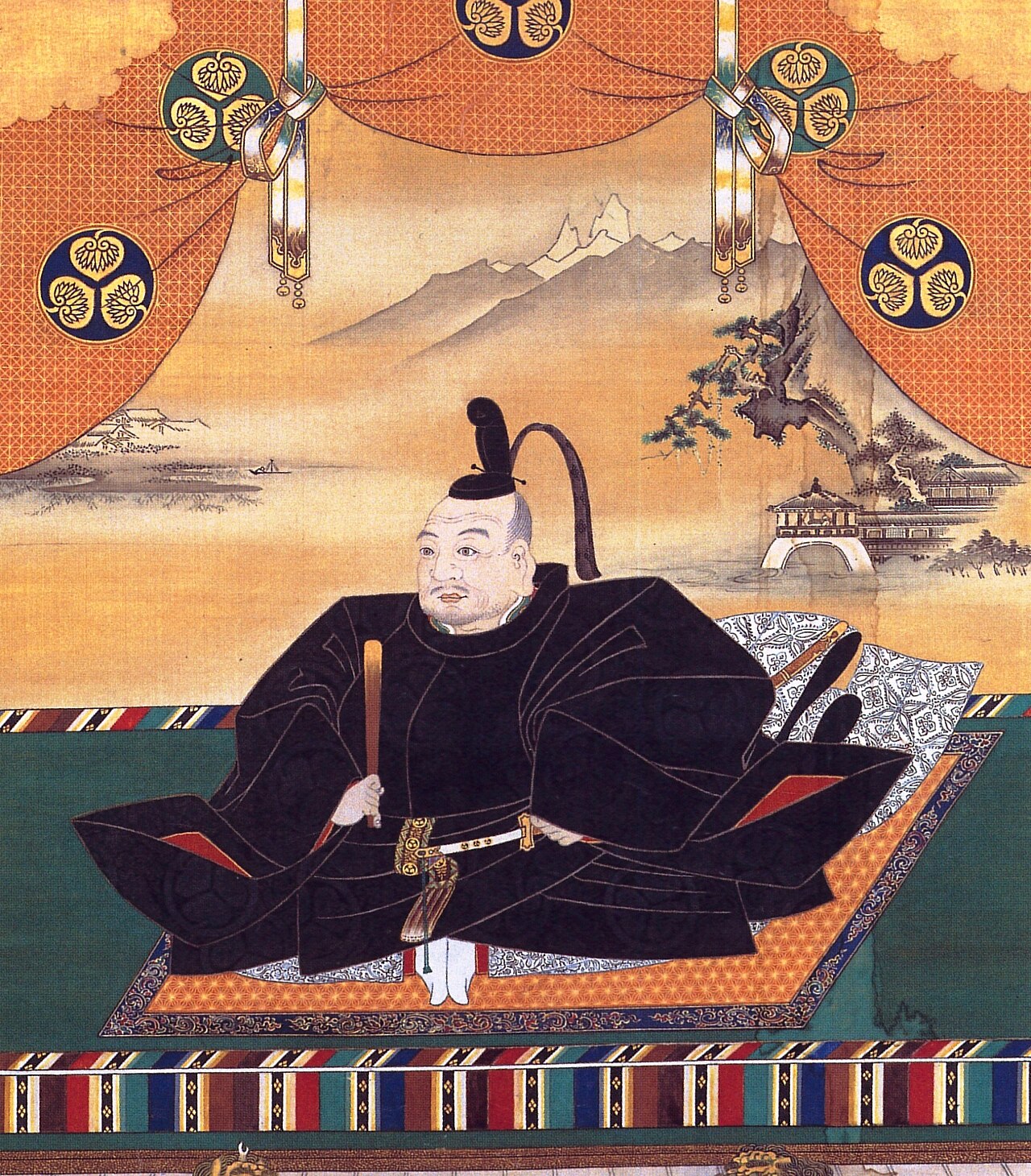
1543 also marks one of the earliest documented direct contacts between Europe and Japan: Portuguese traders reached Tanegashima, introducing firearms and new trade goods. This encounter initiated centuries of European–Japanese trade, cultural exchange, and the adaptation of foreign technology by Japanese polities.
Politics, religion and culture
Across Europe, rulers managed dynastic and religious tensions. In England, King Henry VIII married Catherine Parr in 1543, an alliance with consequences for succession and court politics. The broader continent remained shaped by the Reformation, imperial struggles, and Ottoman expansion in southeastern Europe, all factors that framed local and international affairs.
Legacy and significance
The publications and encounters of 1543 had long-term effects: Copernicus’s model eventually transformed astronomy and natural philosophy; Vesalius’s anatomical methods laid foundations for modern medicine; and the first sustained contacts between Europe and East Asia inaugurated patterns of trade and technology transfer. For historians, 1543 encapsulates several simultaneous currents—scientific innovation, global exploration, and political realignment—that characterize the early modern era.
Selected events
- Publication of Nicolaus Copernicus’s De revolutionibus orbium coelestium; Copernicus’s death soon after.
- Publication of Andreas Vesalius’s De humani corporis fabrica, a major work in anatomy.
- First recorded arrival of Portuguese traders in Japan (Tanegashima), introducing firearms.
- Henry VIII of England married Catherine Parr, his sixth wife.
Related articles
Author
AlegsaOnline.com 1543 (Year) Leandro Alegsa
URL: https://en.alegsaonline.com/art/111468