
1538
Overview of the year 1538: political, religious, exploratory, and cultural context in the mid-16th century; calendar note and key themes and figures.
1538 was a common year that began on Tuesday in the Julian calendar; see the calendar context Julian calendar. As with other single-year entries, 1538 is best understood in the larger sweep of the 16th century: a period defined by intense dynastic rivalry in Europe, the spread of Protestant reform and Catholic reaction, and expanding overseas empires from Western Europe into the Americas and Asia.
Image gallery
3 Images
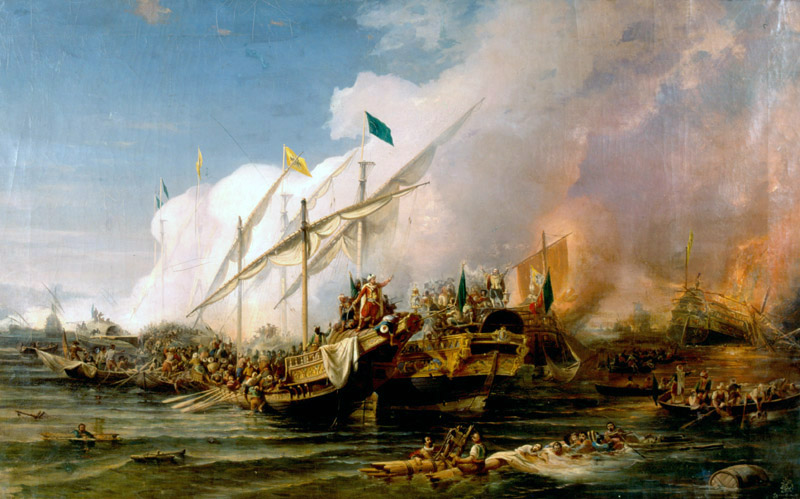
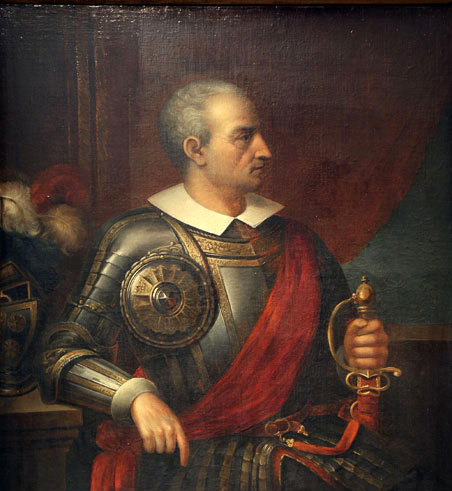
Political and military context
The major powers of the era — the Habsburg realms under Charles V, the Valois monarchy in France, the Tudor court in England, and the Ottoman Empire under Suleiman — continued to jockey for influence. Diplomatic agreements, local wars and shifting alliances characterised continental politics. Authority remained highly personal and dynastic, and conflicts often mixed territorial ambition with religious and commercial concerns.
Religion and society
The 1530s were a decade of accelerated change in religious life across Europe. Protestant churches consolidated gains in northern territories while the papacy and Catholic rulers responded with councils, reforms and renewed missionary activity. These religious transformations affected law, education and daily rites, and they fueled both intellectual debate and social tension.
Exploration and colonization
European expansion overseas continued. Spanish and Portuguese voyages, colonial settlement and the administration of newly claimed territories shaped economic patterns and cross-cultural encounters. The processes of conquest, missionization and resource extraction were already transforming indigenous societies in the Americas, while trade networks reached increasingly into Africa and Asia.
Culture, learning and notable figures
The Renaissance remained a dominant cultural force in art, literature and scholarship. Humanist learning, developments in printing and growing interest in natural philosophy influenced educated elites. Prominent contemporary figures who shaped the period included monarchs such as Charles V and Francis I, religious leaders and reformers, explorers and artists whose work exemplified mid-16th‑century trends.
Chronology and research
Single-year studies like this often collect political events, births and deaths from a range of regional records and chronicles. For researchers, 1538 is a slice of a transformative century; to understand it fully requires attention to both local episodes and the broader patterns of change in politics, religion and global contact.
Related articles
Author
AlegsaOnline.com 1538 Leandro Alegsa
URL: https://en.alegsaonline.com/art/111463