
1539 (year)
1539 was a year marked by religious consolidation in England (Act of Six Articles, Great Bible) and by overseas exploration, notably Hernando de Soto's expedition to Florida during the age of European expansion.
Overview
1539 falls in the first half of the 16th century, a period shaped by the European Reformation, dynastic politics and the expansion of overseas empires. That year is best remembered for measures that shaped the English Reformation and for voyages that extended Spanish penetration into North America. The events of 1539 illustrate how religious, political and imperial developments were interwoven across Europe and the Atlantic world.
Image gallery
3 Images
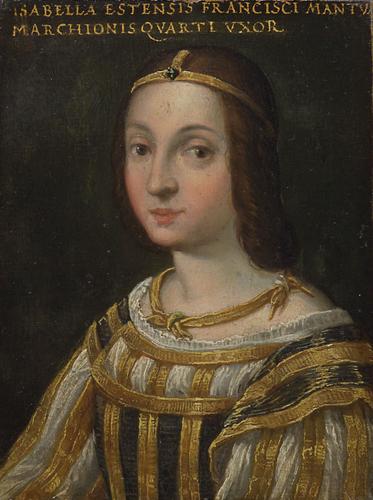

Religion and politics in England
In England, 1539 saw decisive steps in King Henry VIII's program to define the Church of England. Legislation and royal initiatives sought to balance reforming impulses with traditional doctrine. One landmark measure reaffirmed core Catholic teachings — including the real presence of Christ in the Eucharist and other practices — while maintaining the monarch's supreme authority over the church. In the same year, an English-language Bible produced for public use in churches was authorized for distribution; its printing and placement in parish churches made the scriptures more widely accessible to English worshippers and had lasting cultural impact.
Exploration and colonial expansion
1539 was also a key year for Spanish exploration in North America. A large expedition led by Hernando de Soto landed on the coast of what is now the southeastern United States and began an extended inland campaign in search of wealth and new territories. Though the venture did not produce the rich cities sought by the Spanish, it opened extensive contact — often violent — between Europeans and Indigenous peoples and marked an important chapter in early colonial encounters in the region.
Cultural and historical context
The developments of 1539 took place against broader currents of religious conflict and intellectual change. Printing technology continued to spread vernacular texts, fueling both reforming movements and conservative responses. Across continental Europe, rulers negotiated alliances and fought intermittent wars; the Ottoman Empire, the Habsburg dynasties, and various French and Italian powers pursued their own agendas, while missionaries, merchants and soldiers carried European influence overseas.
Consequences and legacy
Measures taken in 1539 influenced the shape of English religious life for decades by defining doctrine and encouraging the availability of scripture in English. The de Soto expedition helped map and expose interior North America to European knowledge, with consequences for Indigenous societies through disease, displacement and conflict. More broadly, 1539 exemplifies how the Reformation and early modern exploration combined to reshape political authority, religious practice and global connections in the 16th century.
Major items (selection)
- Religious legislation and doctrinal enforcement in England, reinforcing royal supremacy.
- Authorization and distribution of a printed English Bible for church use.
- Hernando de Soto's landing in Florida and the beginning of his inland expedition.
These points outline why historians view 1539 as a year when ecclesiastical policy and transatlantic exploration together exemplified larger transformations of the early modern world.
Related articles
Author
AlegsaOnline.com 1539 (year) Leandro Alegsa
URL: https://en.alegsaonline.com/art/111464