
1546 — a pivotal year in the mid‑16th century
A concise overview of the year 1546: major events, notable births and deaths, and its place in the Reformation, European politics, and early modern science and exploration.
1546 (MDXLVI) was a common year that began on Friday in the Julian calendar. Contemporary chronologies used the Julian system; modern readers may consult reconstructions of its calendar positioning via contemporary sources and modern tables (notation MDXLVI, calendar details, Julian calendar). The year falls in the middle of the European Renaissance and the Protestant Reformation, a period of religious conflict, diplomatic rivalry and scientific curiosity.
Image gallery
5 Images

Major events
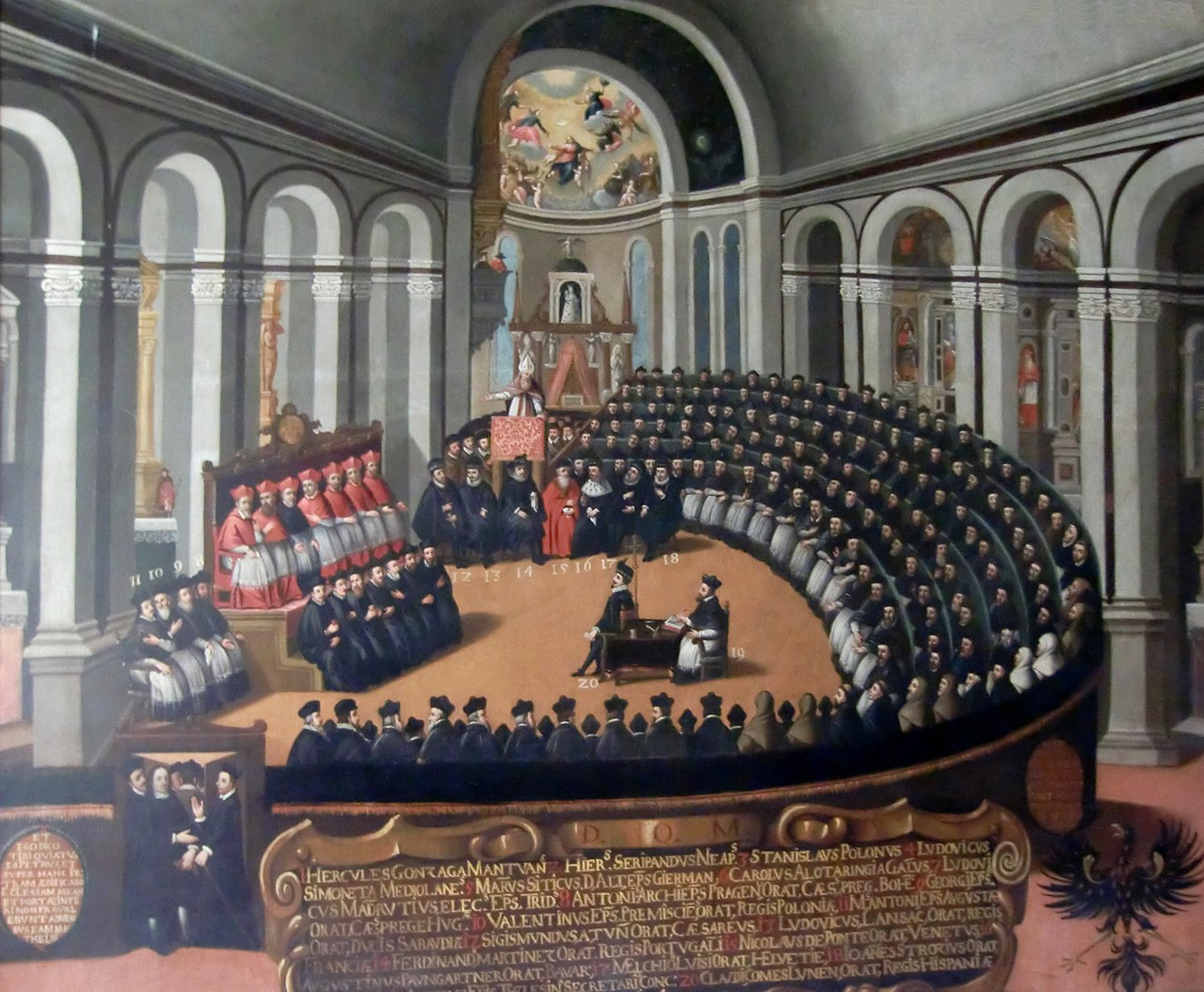
1546 saw the escalation of political and religious tensions that had been building for decades. Imperial authorities and Catholic rulers increasingly confronted Protestant princes and cities. Military and diplomatic manoeuvres across the Holy Roman Empire and beyond framed what would soon become open conflict in some regions. At the same time, institutions such as the Council of Trent (which began in 1545) continued to influence doctrine and church reform.
Notable births and deaths
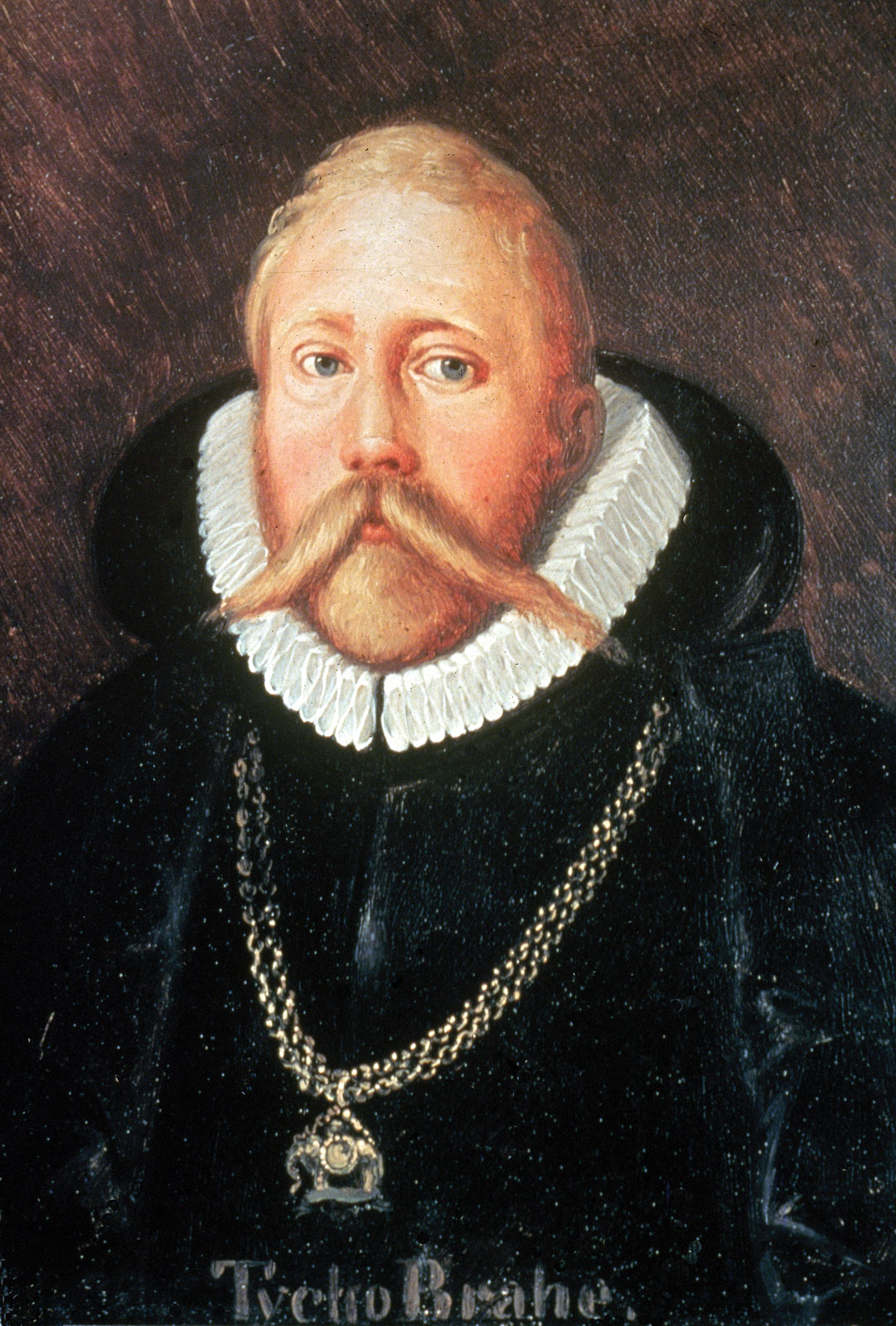
- Births: Among prominent figures born in 1546 was the Danish astronomer Tycho Brahe, whose later observational work helped transform astronomy.
- Deaths: 1546 marked the passing of key Reformation figures; most notably, Martin Luther, whose leadership and writings had launched and shaped Protestant movements across northern Europe.
Beyond named individuals, 1546 is best understood as part of a transitional decade. European states were consolidating authority, long-distance exploration and colonial expansion continued under Iberian and other seafaring powers, and intellectual life blended classical learning with new observational methods.
Context and significance
The events and trends of 1546 contributed to larger outcomes that played out over the following decades: confessional divisions hardened into armed conflict in some places, scientific inquiry moved toward systematic observation, and overseas empires expanded their reach. For students of the period, 1546 is a useful focal point to examine interactions among religion, politics and culture in early modern Europe.
For calendar researchers or enthusiasts, the year's placement within the Julian system and its weekday alignment can be checked through historical tables or modern reconstructions (calendar source, Julian context).
Related articles
Author
AlegsaOnline.com 1546 — a pivotal year in the mid‑16th century Leandro Alegsa
URL: https://en.alegsaonline.com/art/111471