
Year 1513: exploration, warfare and intellectual turning points
An overview of the year 1513 covering major military events, voyages of exploration, papal change, and cultural developments during the early Renaissance.
Overview
In the proleptic Gregorian reckoning, 1513 was a common year beginning on a Wednesday. It falls in the early 16th century, a period marked by intense dynastic and territorial conflict in Europe, rapid Atlantic and Pacific exploration, and notable developments in Renaissance politics and thought. For a concise reference see 1513.
Image gallery
5 Images


Politics and warfare
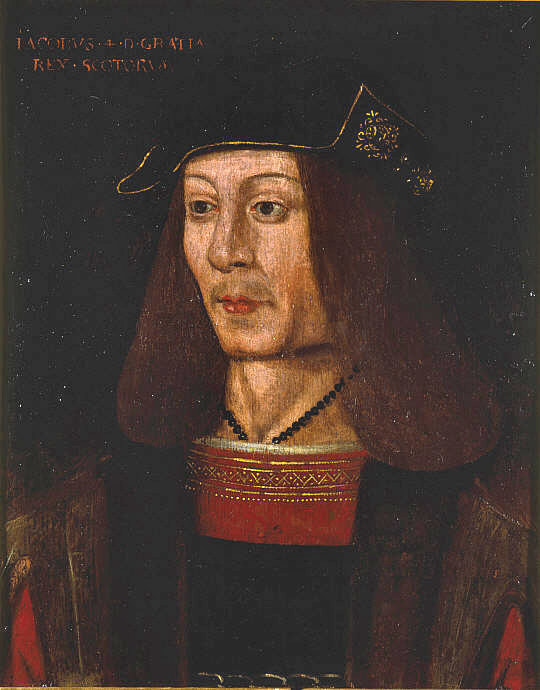
The year saw several important military encounters tied to the Italian Wars and rivalries among England, France, Scotland and the Holy Roman Empire. English forces won a decisive victory over Scotland at the Battle of Flodden; the clash had significant consequences for Scottish governance and nobility. On the continent, Swiss and other Italian armies pressured French positions in northern Italy, contributing to shifting control of duchies and cities.
Exploration and geography
1513 was prominent for voyages that expanded European knowledge of the Atlantic and Pacific worlds. Spanish and Portuguese expeditions continued to chart coastlines and inland routes in the Americas. In particular, explorers reached and described previously unknown shores, reshaping European maps and long-distance trade expectations.
Culture, religion and ideas
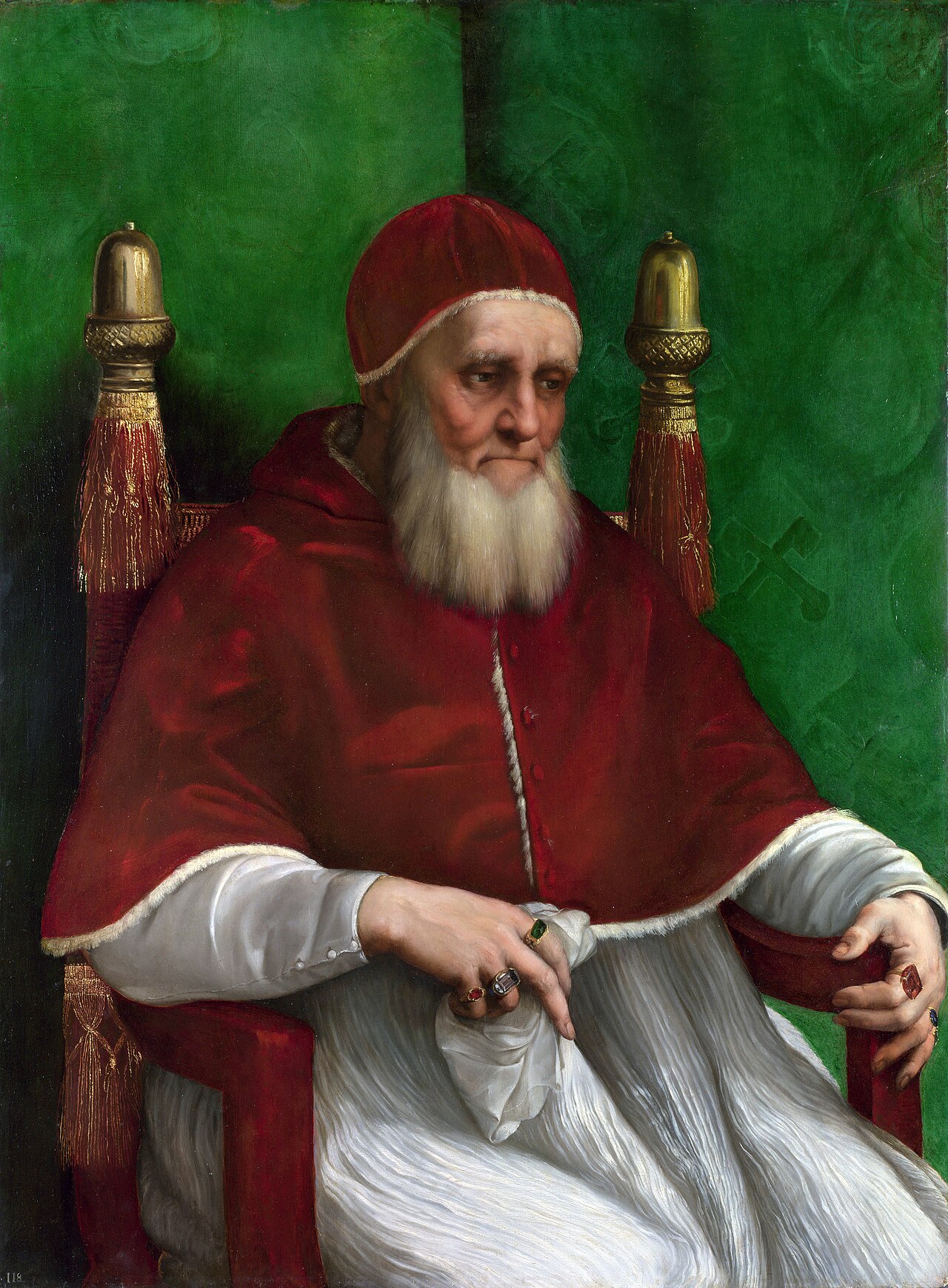
The papacy changed hands as the Roman church continued to play a central role in European politics; the event influenced diplomatic alignments across courts. In intellectual life, political thinkers and administrators wrote works that reflected the practical challenges of statecraft in a fragmented Europe. For calendar and dating context see Gregorian calendar and weekday alignment Wednesday.
Notable people
- Deaths and casualties from battles altered noble successions and court politics across the British Isles and continental Europe.
- Explorers and naval commanders from Spain and Portugal extended imperial reach, paving the way for later settlements.
- Writers and advisors produced works that would influence later political thought and administration.
While 1513 did not mark a single global turning point, its combination of military realignments, exploratory milestones and intellectual responses to governance exemplifies the transitional character of the early modern era.
Related articles
Author
AlegsaOnline.com Year 1513: exploration, warfare and intellectual turning points Leandro Alegsa
URL: https://en.alegsaonline.com/art/111437