
The 1520s (1520–1529)
Decade of political upheaval, exploration and religious change: major events include the Diet of Worms, fall of Tenochtitlan, Magellan's circumnavigation, the Peasants' War, and Ottoman and Mughal advances.
The 1520s covers the years 1520 through 1529, a decade marked by rapid political realignments, expanding global contact, and deep religious conflict in Europe. Monarchs, conquistadors, reformers and imperial armies shaped outcomes that altered states and societies across three continents. The period is often seen as a crossroads between late medieval institutions and the emerging early modern order.
Image gallery
10 Images


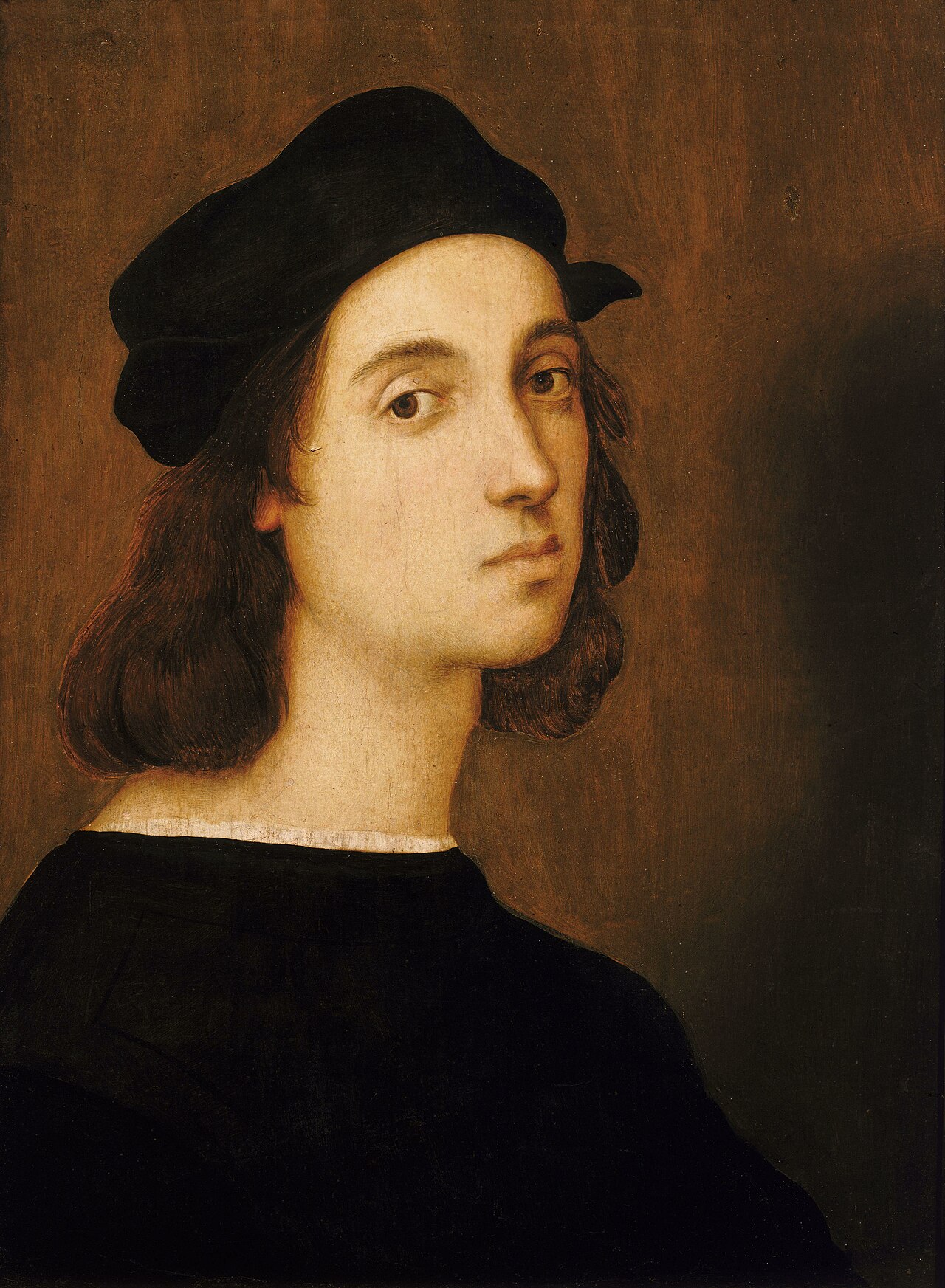

Major political and military events
Several decisive military and diplomatic episodes occurred in the 1520s. European dynasties and empires fought for territory and influence while new states and empires were founded farther afield.
- 1520: High-profile diplomatic pageantry and rivalries among western monarchs underscored shifting alliances.
- 1521: Spanish forces completed the conquest of the Aztec capital, dramatically extending Iberian power in the Americas.
- 1523: Political change in northern Europe reduced the influence of older unions and set the stage for independent Scandinavian kingdoms.
- 1526: In South Asia the decisive battle that brought a new dynasty to prominence reshaped the subcontinent's political map.
- 1527–1529: Warfare in Italy and central Europe—including the sack of a major Italian city and later Ottoman campaigns in central Europe—illustrated the era's violent contest for supremacy.
Religion and reform
The Protestant Reformation deepened and spread during the 1520s. Religious controversies moved from academic disputation into politics and popular movements. A prominent reformer faced imperial judgment in the early part of the decade, while local and regional responses ranged from negotiated conservatism to open rebellion. The decade also saw rising confessional identities that would define European politics for generations.
Exploration and global exchange
Maritime voyages continued to expand European geographic knowledge and economic networks. A circumnavigation of the globe reached home ports in the early 1520s after earlier losses, proving the possibility of global maritime circuits. Explorers charted new stretches of coastline in North America and pushed Spanish and Portuguese influence deeper into the Americas and Asia. These contacts accelerated exchange of goods, disease and ideas between distant regions.
Culture, economy and society
Artistic production and intellectual life remained vigorous. Artists and patrons negotiated changing tastes that bridged High Renaissance ideals and emerging styles. At the same time, popular unrest erupted in parts of central Europe as social grievances and religious ferment combined; an armed revolt of peasants and artisans was suppressed with significant consequences for social relations and the pace of reform. Economic pressures, demographic changes and new imperial revenues all shaped urban and rural life.
By the end of the 1520s the political map of Eurasia and the Americas had begun to look noticeably different from a decade earlier. The decade's mix of conquest, reform and diplomacy set patterns—imperial expansion, confessional division and global maritime trade—that would dominate the 16th century.
Related articles
Author
AlegsaOnline.com The 1520s (1520–1529) Leandro Alegsa
URL: https://en.alegsaonline.com/art/111445