
1515 (year)
Year 1515: a common year starting on Monday in the Julian calendar, notable for Francis I's accession and the Battle of Marignano during the Italian Wars.
Overview
1515 ( MDXV ) was a common year beginning on Monday in the Julian calendar. It fell in the early 16th century, a period shaped by the late Renaissance, dynastic rivalry among European royal houses, and expanding maritime empires. Politically and militarily, the year is best remembered for events that affected the course of the Italian Wars and the balance of power in Western Europe.
Image gallery
9 Images


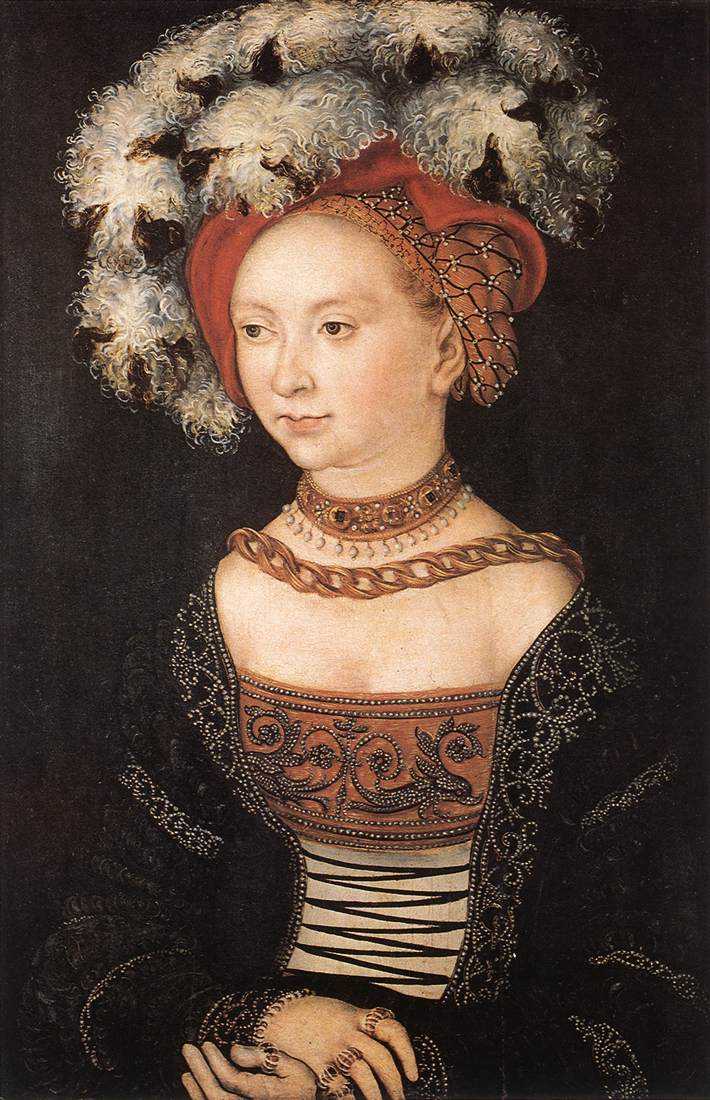

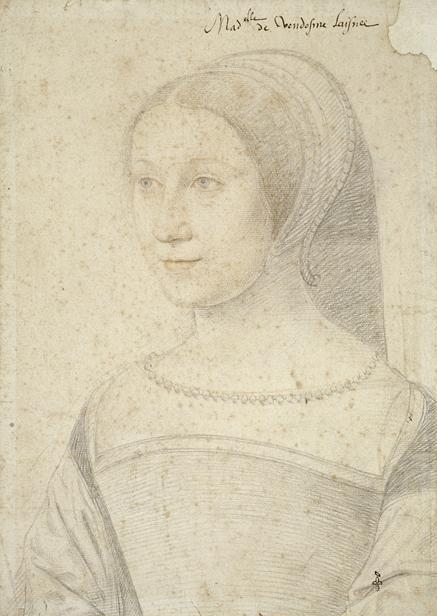
Major events
One of the defining moments of 1515 was the accession of Francis I to the French throne after the death of Louis XII. The new king moved quickly to assert French ambitions in northern Italy. The most famous military episode was the Battle of Marignano (13–14 September 1515), where French forces under Francis I defeated the Swiss mercenaries and secured control over the Duchy of Milan. That victory enhanced French influence in Italy and shaped subsequent diplomacy in the region.
Political and cultural context
The year occurred against the backdrop of the Renaissance in art, learning, and court culture—Italian cities remained cultural centers even as foreign armies contested them. The papacy, Italian principalities, and the Habsburgs all played roles in shifting alliances. Overseas, Iberian and Portuguese exploration and colonization continued to alter global trade and contact, laying foundations for later imperial systems.
Notable births and deaths
- Births: Among better-known figures born in 1515 was Anne of Cleves, later queen consort of England as the fourth wife of Henry VIII.
- Deaths: Louis XII of France died at the very start of the year, and his passing brought Francis I to the throne.
Legacy
The events of 1515, especially Marignano and the change of monarchs in France, marked a turning point in the Italian Wars by demonstrating the effectiveness of emerging artillery and combined arms, and by affirming France's claims in northern Italy for a time. The year is often cited by historians as illustrative of early 16th-century dynamics: energetic monarchies, professionalized armies, and increasing interconnection between European and overseas developments.
For broader chronological and calendar details see the year notation MDXV, the weekday conventions such as Monday, and the use of the Julian calendar in contemporary dating systems.
Related articles
Author
AlegsaOnline.com 1515 (year) Leandro Alegsa
URL: https://en.alegsaonline.com/art/111439