
1514 — politics, culture, exploration and notable events
Overview of 1514: major battles in Europe and the Middle East, dynastic marriage between England and France, Dürer's Melencolia I, and continuing Iberian exploration amid early modern social and economic change.
Overview
The year 1514 falls within the early sixteenth century, a period of accelerating change across Europe and beyond. Political rivalries, dynastic diplomacy and military campaigns intersected with cultural achievements of the Renaissance and the continuing expansion of European maritime contacts with Africa, Asia and the Americas. 1514 is best read as a year shaped by broader processes rather than as a single turning point.
Image gallery
5 Images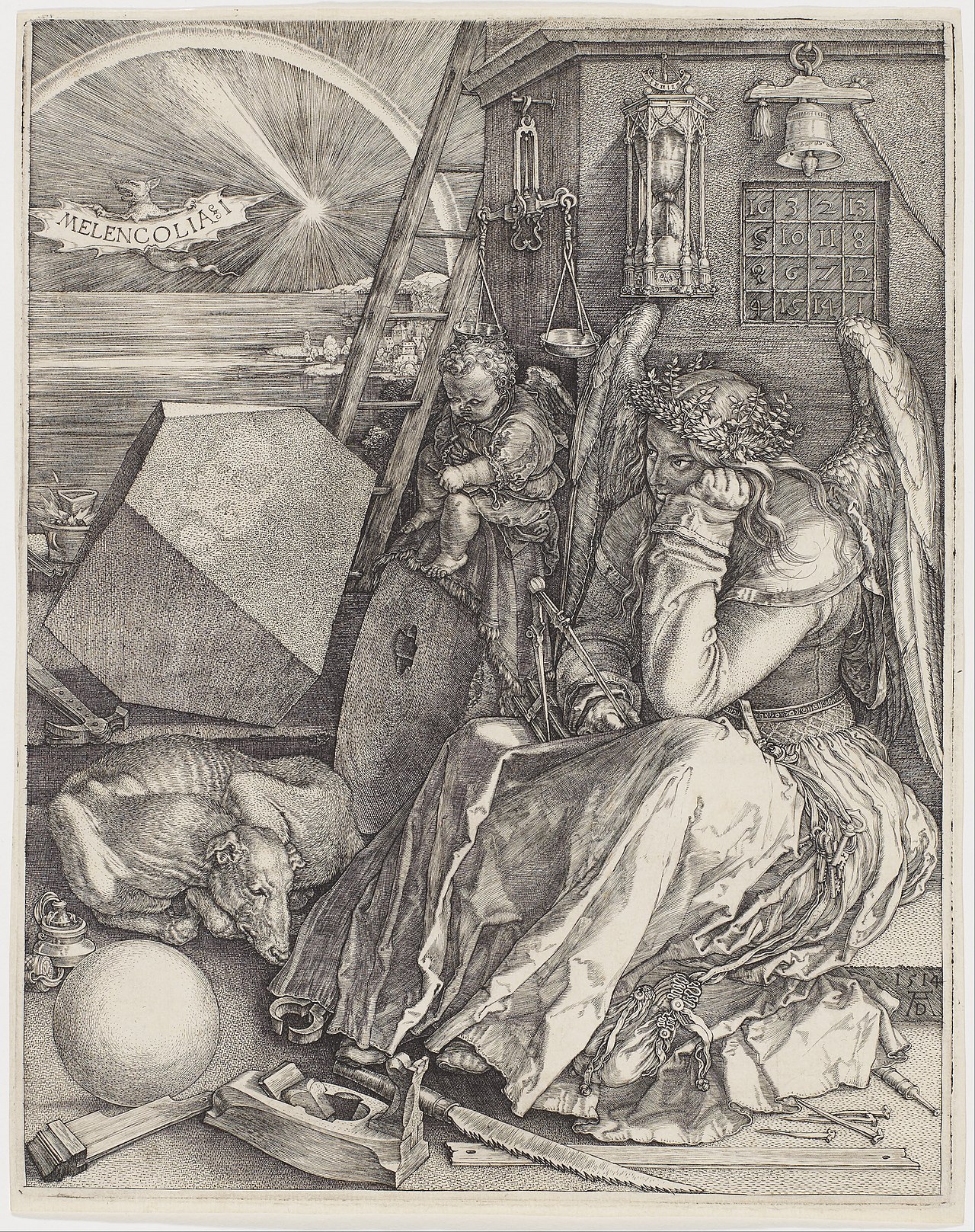


Politics and warfare
1514 saw significant clashes and diplomatic moves that reflected shifting balances of power. In the east, the Battle of Chaldiran (August 1514) brought a decisive Ottoman victory over the Safavid empire, reinforcing Ottoman influence in eastern Anatolia and the upper Mesopotamian region. In Eastern Europe, the Battle of Orsha (September 1514) was a notable victory for the Polish–Lithuanian forces against Muscovite armies, affecting control of contested borderlands.
Meanwhile Western courts used marriage as a tool of statecraft. In October 1514, Mary Tudor, sister of England’s Henry VIII, married King Louis XII of France in a union designed to secure an Anglo-French settlement, illustrating the continued importance of dynastic alliances in European diplomacy.
Arts, ideas and culture
The cultural life of 1514 included works that have endured in reputation. In the German lands Albrecht Dürer produced the engraving now known as Melencolia I, dated to this year and widely studied for its imaginative symbolism and technical achievement in print. Humanist scholarship and the printing press continued to spread classical learning and vernacular literature, strengthening intellectual networks across Italy, the Low Countries, France and the German territories.
Exploration and global context
Iberian maritime activity continued to link Europe with distant regions. Portuguese and Spanish sailors and merchants maintained routes and outposts in the Atlantic, along the West African coast, and across the Indian Ocean, while Spanish presence in the Caribbean and parts of the American mainland expanded the first decades of European colonization. These contacts increased the circulation of goods, peoples and ideas and set the stage for larger demographic and economic transformations.
Society, economy and technology
Economic life in 1514 reflected growing long-distance trade, the importance of urban centers, and the influence of new technologies such as the printing press. Craftsmen, merchants and bankers participated in networks that supplied luxury and everyday goods. Social tensions—rural and urban—periodically tested local and princely authorities, a recurring feature of early modern societies.
Notable facts and legacy
- Battle of Chaldiran (1514) strengthened Ottoman hold in eastern Anatolia and checked Safavid expansion.
- Battle of Orsha (1514) marked a significant Polish–Lithuanian success against Muscovite forces in the eastern European borderlands.
- The marriage of Mary Tudor to Louis XII (1514) exemplified strategic dynastic diplomacy between England and France.
- Albrecht Dürer’s Melencolia I (1514) remains a landmark of Northern Renaissance print culture.
Viewed together, these events illustrate 1514 as a year embedded within wider trends: the consolidation of early modern states, the flourishing of Renaissance art and learning, and the global repercussions of maritime exploration. The developments of this year contributed to political and cultural trajectories that shaped the sixteenth century.
Related articles
Author
AlegsaOnline.com 1514 — politics, culture, exploration and notable events Leandro Alegsa
URL: https://en.alegsaonline.com/art/111438