
1519 — a pivotal year in exploration, conquest, and imperial politics
Overview of the year 1519: major voyages and conquests, the election of Charles V, cultural milestones, and why the year mattered in early modern global history.
1519 is often remembered as a hinge year at the start of the European early modern era. In a few months it brought voyages that reconfigured global navigation, military campaigns that set the stage for the Spanish domination of Mesoamerica, and political changes that shaped continental power for decades. Cultural and intellectual currents of the Renaissance and Reformation also intersected with these events.
Image gallery
7 Images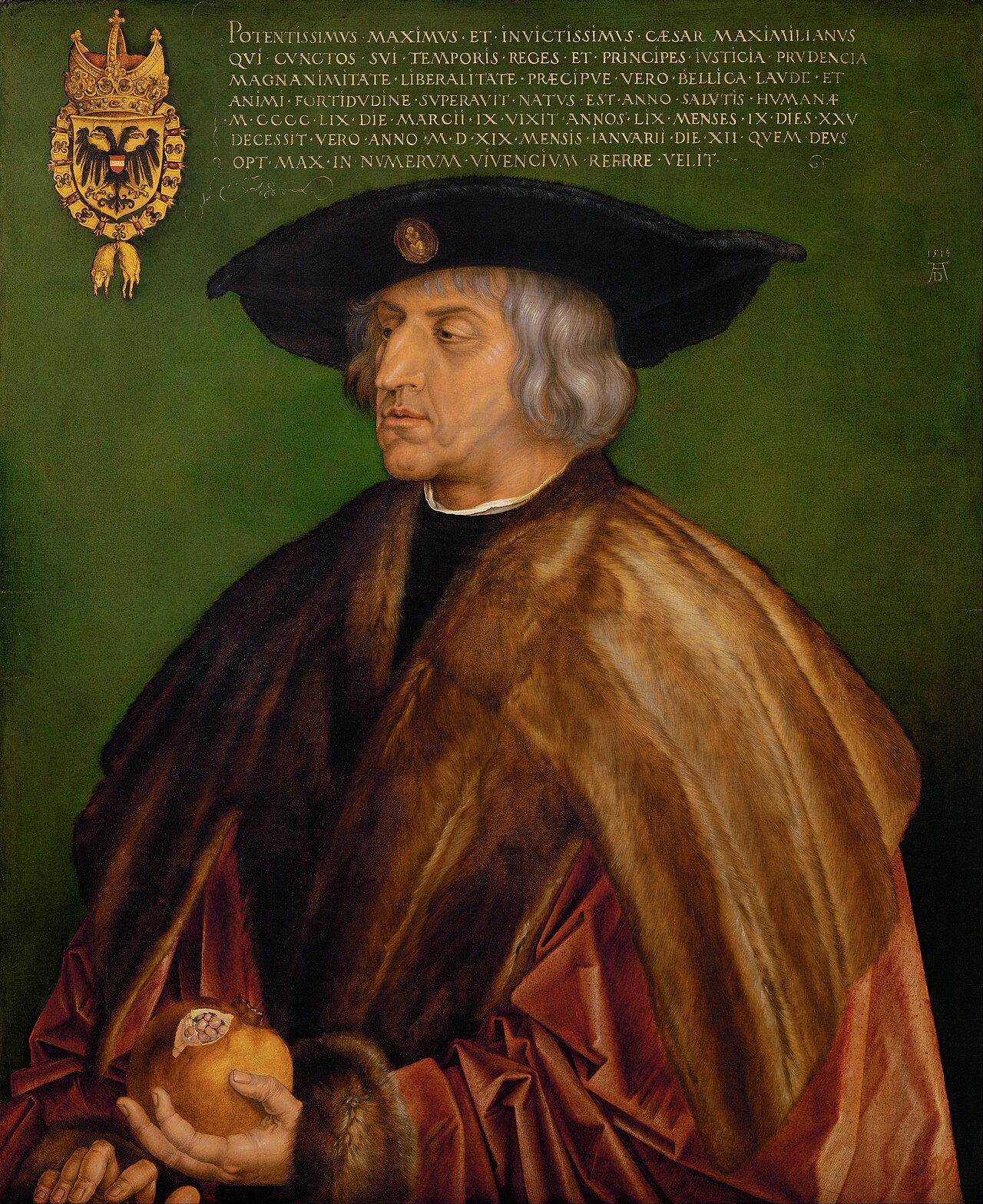




Major political developments
In mid-1519 the Habsburg prince Charles—already ruler of Spanish crowns and territories in the Netherlands—was elected Holy Roman Emperor, consolidating large trans-European possessions under a single dynastic authority. This election intensified the geopolitical rivalry between the Habsburgs and other European dynasties and influenced diplomacy and war in the decades that followed.
Age of Exploration and maritime ventures
1519 saw the launch of two expeditions whose consequences reached far beyond the year itself. Ferdinand Magellan led a fleet from Spain in August with the explicit aim of finding a westward route to the Spice Islands; this voyage would become the first circumnavigation of the globe, though Magellan himself did not survive it. In the same year, Spanish forces under Hernán Cortés landed on the Gulf coast of Mexico and began operations that would culminate in the overthrow of the Aztec imperial system over the next few years.
Cultural and religious context
The intellectual climate of Europe was in flux: the Renaissance produced notable artistic and scientific figures, and the Reformation was moving from controversy to institutional challenge. 1519 is also remembered as the year the polymath Leonardo da Vinci died in France, marking the end of a creative life that epitomized Renaissance inquiry. On the religious front, public debates and disputes continued to sharpen theological divisions that would lead to wider conflict.
Significance and legacy
- The voyages begun in 1519 reoriented global trade routes and inaugurated patterns of long-distance maritime empire.
- The Spanish campaigns in Mexico set colonial patterns of conquest, alliance-making, and exploitation that reshaped indigenous societies and demographics.
- The consolidation of Habsburg authority affected European diplomacy, warfare, and the balance of power for decades.
Although a single year cannot contain every turning point of an era, the events of 1519 illustrate how exploration, imperial ambition, and intellectual change combined to produce rapid and lasting historical transformation.
Related articles
Author
AlegsaOnline.com 1519 — a pivotal year in exploration, conquest, and imperial politics Leandro Alegsa
URL: https://en.alegsaonline.com/art/111443