
1512 (year)
Year 1512 in the early Renaissance: marked by Michelangelo's completion of the Sistine Chapel ceiling, the Battle of Ravenna, the Spanish invasion of Navarre, and institutional shifts including the Fifth Lateran Council.
1512 exemplifies the intertwining of high culture, dynastic warfare and expanding horizons that characterise the early sixteenth century. The year saw artistic breakthroughs alongside intense military campaigns in Italy and the Iberian Peninsula, and institutional moves in the church and universities that prefigured later upheavals.
Image gallery
7 Images



Politics and warfare
The Italian Wars continued to drive politics across the peninsula. In April 1512 the Battle of Ravenna produced a fierce engagement in which French forces won a tactical victory against a Spanish–Papal army, but at great cost and with the death of the French commander, undermining longer-term French gains. The conflict illustrated the changing nature of warfare, the importance of artillery and the fragility of alliances among France, the Papacy, Spain and local Italian states. In the same year Ferdinand of Aragon moved into the Kingdom of Navarre: Castilian and Aragonese troops took Pamplona and other strongpoints, beginning a process of Spanish domination of much of Navarre that would have lasting consequences for the peninsula.
Arts and culture
1512 is widely recalled for Michelangelo's completion and public showing of the Sistine Chapel ceiling in Rome. Executed between 1508 and 1512, the ceiling frescoes present scenes from Genesis together with prophets and sibyls, and were immediately recognised as a defining work of the High Renaissance. Across Italy and northern Europe painters, sculptors and printmakers continued to refine classical composition, anatomical study and pictorial perspective; the circulation of prints and drawings aided the spread of Renaissance ideas beyond Italy.
Religion, learning and institutions
The religious landscape combined efforts at reform with mounting tensions. The Fifth Council of the Lateran was opened in 1512 under Pope Julius II to discuss discipline and reform of church administration; its measures were judged insufficient by later critics and did not prevent the crises of the 1520s and 1530s. In academic life, Martin Luther received his doctorate and a professorship at the University of Wittenberg in 1512, an appointment that established his authority as a theologian and provided the platform from which he would later voice reforms.
Exploration, births and deaths
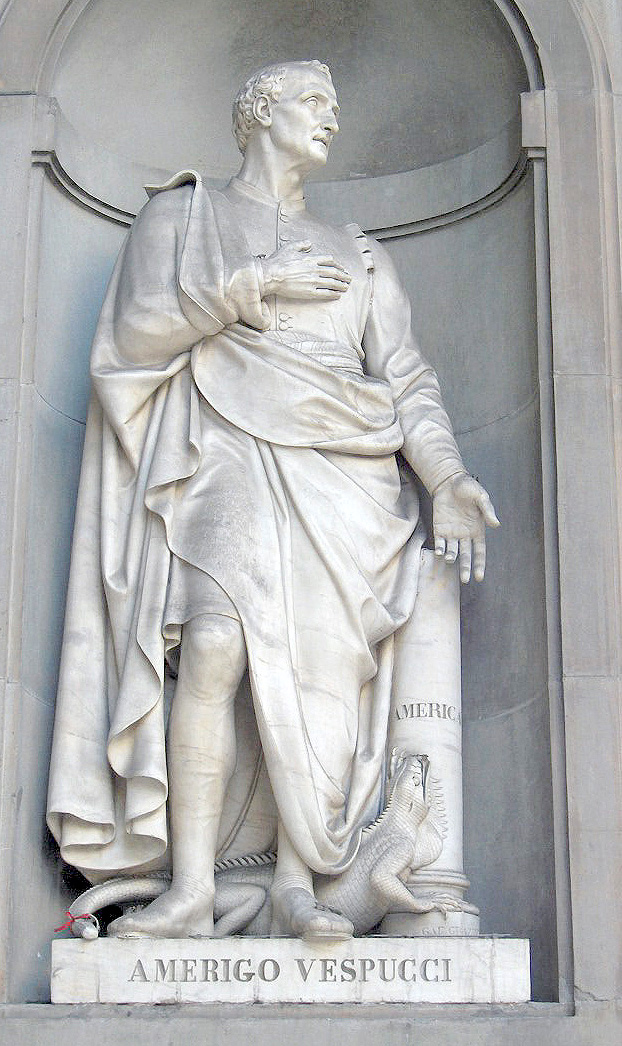
The early sixteenth century remained an era of overseas expansion and cartographic activity. The year is traditionally associated with the death of the explorer Amerigo Vespucci, though dates are debated in sources. Notable births conventionally dated to 1512 include the Flemish cartographer Gerardus Mercator and, around this year, Catherine Parr, later queen of England. Such personal milestones link this year to wider intellectual and dynastic currents of the period.
Legacy: No single occurrence in 1512 wholly transformed Europe, yet the combination of monumental artistic achievement, decisive military confrontations and institutional initiatives gives the year a representative place in the early Renaissance. It reveals a world of creative ambition, contested sovereignty and the beginnings of global awareness that would shape the decades to follow.
Related articles
Author
AlegsaOnline.com 1512 (year) Leandro Alegsa
URL: https://en.alegsaonline.com/art/111436