
1510 — a year in the early modern era
Overview of major political, cultural and exploratory developments in the year 1510, including Portuguese expansion in India and continuing artistic activity in Renaissance Italy.
Overview
The year 1510 sits in the early decades of the 16th century, a period of rapid change in politics, overseas exploration, and culture. European monarchies and maritime powers expanded their reach across the Atlantic and Indian Oceans. In Italy and other cultural centres, Renaissance art and learning continued to evolve while the intellectual and religious currents that would lead to the Reformation were gaining force.
Image gallery
8 Images


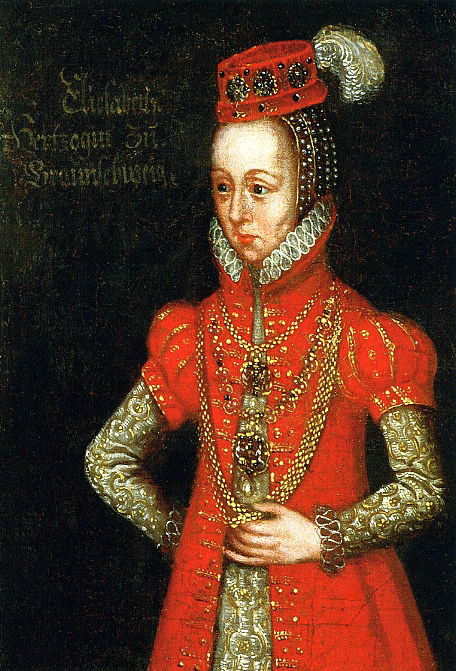
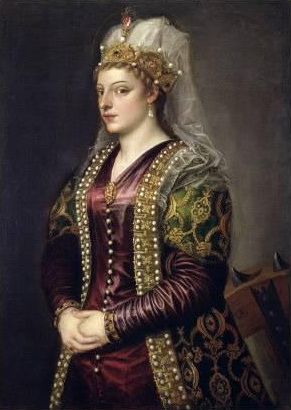
Political and military developments
1510 saw continued conflict and shifting alliances in Europe, especially on the Italian peninsula where the papacy, French crowns, and various Italian states vied for influence. Popes and princes pursued diplomatic coalitions and military campaigns that reflected the ongoing instability of late medieval polities transitioning into early modern states.
Exploration and overseas expansion
One of the most significant events associated with 1510 was the consolidation of Portuguese presence on the west coast of India. Portuguese forces under Afonso de Albuquerque captured the important port of Goa, which became a key base for trade and naval operations in the Indian Ocean. This establishment marked a turning point in European involvement in South Asian trade networks.
Culture, art and religion
In Italy, major Renaissance artists continued important commissions: Michelangelo was working on the Sistine Chapel ceiling, a project that occupied him during these years. Religious and intellectual debates were active across Europe; figures such as Martin Luther and other clerics and scholars were beginning to question established practices, developments that would culminate in the Reformation later in the decade.
Notable facts and legacy
- Portuguese control of Goa laid foundations for a sustained European foothold in South Asia.
- Renaissance artistic projects in Rome and elsewhere continued to define new standards in painting and sculpture.
- The year belongs to a decade in which exploration, state formation, and religious ferment combined to reshape global history.
Though not every personal birth or death of the era is listed here, 1510 is best understood as part of a transitional generation: a time when maritime empires expanded, Renaissance culture matured, and the conditions for major religious and political transformations were increasingly present.
Related articles
Author
AlegsaOnline.com 1510 — a year in the early modern era Leandro Alegsa
URL: https://en.alegsaonline.com/art/111434