
1508 — a year in the Renaissance and the Italian Wars
Overview of the year 1508 (Julian calendar), its political context, major cultural achievements such as Michelangelo's Sistine Chapel commission, and the shifting alliances of the Italian Wars.
Year 1508 (MDVIII) fell in the early 16th century and is conventionally recorded as a leap year in the Julian calendar. It belongs to the high Renaissance era and to the long series of conflicts known as the Italian Wars, while Europeans continued maritime exploration and colonial expansion overseas. For calendar details see MDVIII, the full year layout is shown at the 1508 calendar, and technical notes about the dating system are in the entry for the Julian calendar.
Image gallery
4 Images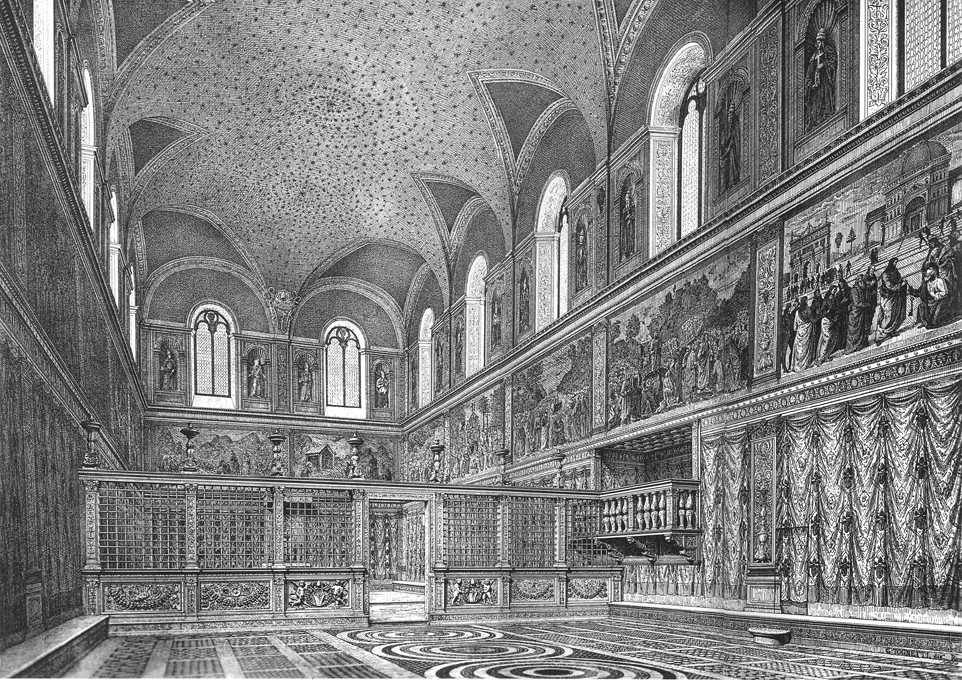


Notable events and developments
- Art: Michelangelo received papal patronage to begin the Sistine Chapel ceiling project in Rome, a commission that would occupy him for several years and shape the visual language of Western art.
- Politics: Italian states continued to realign through treaties and diplomatic agreements. Rivalries among France, the Holy Roman Empire, the Papacy and regional powers contributed to shifting coalitions against dominant city-states such as Venice.
- Exploration and trade: Voyages by Iberian navigators kept expanding European knowledge of Atlantic and Indian Ocean routes, sustaining commercial and imperial competition.
Artistic and cultural scene
Rome and other Italian cities were cultural hubs. Painters, sculptors and architects moved between courts and papal commissions; workshop practice and the printing press together accelerated the spread of ideas. The work begun in 1508 by masters such as Michelangelo, and contemporaneous activity by artists like Raphael, exemplifies the consolidation of Renaissance ideals in composition, anatomy and narrative art.
Military and diplomatic context
The Italian peninsula remained the primary theater of dynastic struggle in Europe. Local rulers, foreign monarchs and the Papacy negotiated short-lived alliances to check rivals' power. These maneuvers foreshadowed larger campaigns that would continue to affect Italian autonomy and the balance of power in Europe during the following decade.
Significance
Although not defined by a single globally transformative event, 1508 is remembered for its contributions to Renaissance culture and for illustrating the era's interplay of art, diplomacy and exploration. Artistic commissions begun that year left a durable cultural legacy, while political decisions reflected the complex and unstable map of early modern Europe.
Related articles
Author
AlegsaOnline.com 1508 — a year in the Renaissance and the Italian Wars Leandro Alegsa
URL: https://en.alegsaonline.com/art/111432