
1504 — a year of exploration, art, and dynastic change
Overview of the year 1504, covering major political events, voyages of exploration, artistic milestones and notable deaths that shaped early 16th-century Europe and the wider world.
Overview
The year 1504 (MDIV) falls within the early modern period and is marked by continuing overseas exploration, significant developments in Renaissance art, and important dynastic changes in Iberia. In contemporary chronological systems it is usually referenced within the Julian calendar; modern summaries and chronologies often link to online resources for further detail: 1504, Julian calendar and general timelines.
Image gallery
5 Images


Politics and exploration
European maritime powers expanded their presence overseas during this period. Expeditions across the Atlantic and along African and Indian Ocean coasts continued to alter trade patterns and political relationships. Spanish and Portuguese courts negotiated the administration and rewards for explorers while local rulers in the Americas, Africa and Asia responded in varied ways to contact, alliance and resistance.
Art, science and culture
The cultural life of Renaissance Italy and other European centers remained vibrant. Sculpture and painting reached new heights in technical mastery and civic visibility. Leading artists completed works that would influence generations, and courts and city-states competed to patronize talent, promoting both public monuments and private commissions.
Notable events and figures
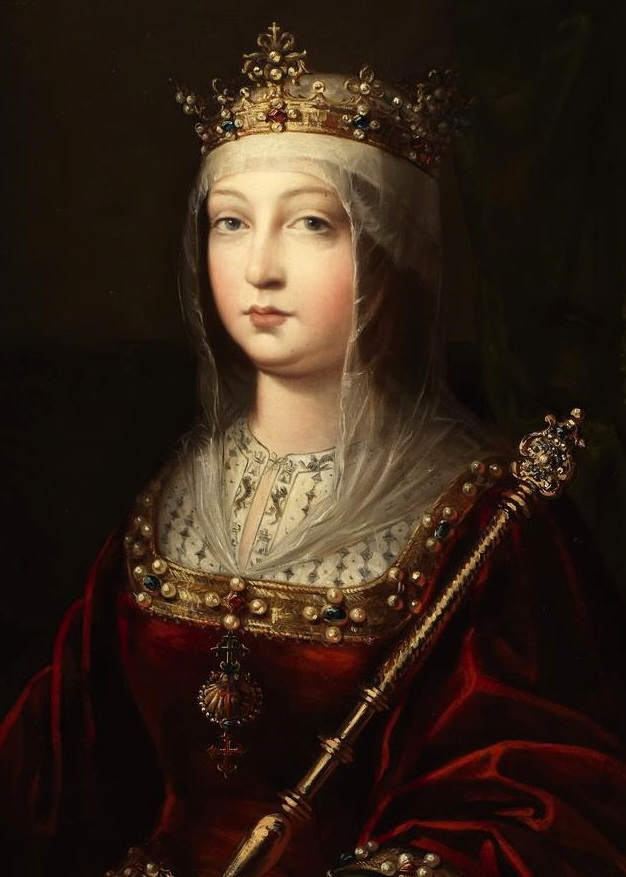
Among the most consequential occurrences of the year were the return of some transatlantic voyagers to Europe after extended voyages and periods ashore, and important shifts in Iberian leadership. The death of a major monarch in Castile altered succession prospects and the balance of power on the peninsula. These changes had immediate political effects and longer-term consequences for colonial policy and European diplomacy.
Notable births and deaths
Biographical records for this period identify a number of prominent deaths and births tied to aristocratic, clerical and artistic circles. The passing of an influential queen in Castile was widely recorded and had repercussions across Europe. Other figures active in administration, exploration and the arts were born or came to prominence around this time.
Legacy and historical importance
Historians treat 1504 as part of a transitional decade: exploration was shifting from episodic voyages to sustained colonial enterprise; Renaissance achievements in art and architecture were becoming public symbols of civic identity; and dynastic turnovers in major kingdoms reshaped alliances. The events and cultural output of 1504 therefore contribute to understanding the wider processes that defined the 16th century.
Related articles
Author
AlegsaOnline.com 1504 — a year of exploration, art, and dynastic change Leandro Alegsa
URL: https://en.alegsaonline.com/art/111428