
Zupaysaurus — Late Triassic theropod from South America
Early carnivorous theropod from the Late Triassic of South America, known from fragmentary remains; notable for paired snout ridges, modest size (~5 m) and its role among basal dinosaur predators on Pangaea.
Zupaysaurus is a genus of early theropod dinosaur known from fragmentary remains found in what is now South America. The name is commonly rendered as meaning "devil lizard" in reference to local folklore. The animal is dated to approximately 213 million years ago, within the Upper Triassic, a time when early dinosaurs were diversifying across the connected continents of Pangaea.
Image gallery
10 Images


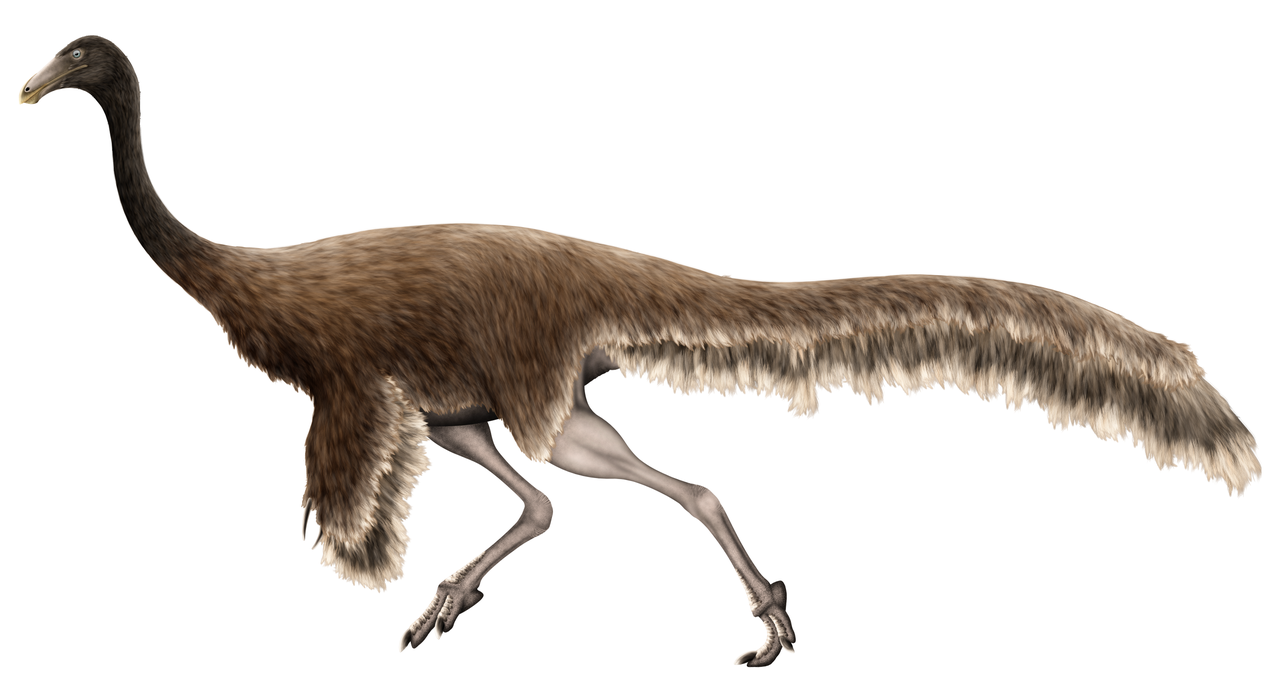

Anatomy and appearance
Zupaysaurus is generally reconstructed as a bipedal, lightly built carnivore about five metres in length. The skull was elongated and narrow, with recurved, laterally compressed teeth adapted for slicing flesh. One of the most discussed features is a pair of low ridges or crests along the snout. These paired snout ridges have been interpreted as display structures by some researchers, while others have argued they may reflect preservation or deformation of the bones; the precise structure and function remain subjects of study. Forelimbs are inferred to have been grasping, and the overall body plan resembles that of other basal theropods: agile and adapted to active predation.
Discovery and naming
The genus was described from incomplete fossil material recovered in Argentina. The type species name and the original description were published in the early 21st century; because the available material is partial, many aspects of anatomy and life appearance are reconstructed with caution. Subsequent work has reexamined the specimen and compared it to other early theropods, refining interpretations of its skull and postcranial anatomy.
Classification and relationships
Most studies place Zupaysaurus among basal theropods, an early branch of the lineage that later produced larger Jurassic predators. Its precise position has varied between analyses as new data and comparative material become available. A roughly contemporary, anatomically similar taxon is Dracovenator, known from South Africa; such resemblances illustrate how related early theropods were distributed widely across Pangaea and how paleobiogeographic links persisted during the Triassic.
Paleoecology and significance
In the Late Triassic ecosystems where Zupaysaurus lived, it would have shared habitats with other early dinosaurs, various archosaurs, amphibians and synapsids. As a mid-sized predator, it helps paleontologists reconstruct trophic networks and the early evolution of predatory strategies among dinosaurs. Because the fossil record for many Triassic theropods is incomplete, Zupaysaurus is valuable for understanding variation in skull ornamentation and the emergence of neotheropod traits.
Notable facts and distinctions
- Represents an early stage in theropod evolution, prior to the dominance of larger Jurassic predators.
- Noted for paired snout ridges; their biological significance is debated.
- Its age and distribution highlight faunal interchange across Pangaea during the Triassic.
- Comparative material such as Dracovenator from South Africa provides context for early theropod diversity.
Zupaysaurus remains an informative but incompletely known example of Late Triassic theropods. Continued finds, reanalysis of existing specimens and broader comparisons with other Triassic taxa are necessary to clarify its anatomy, behavior and precise place in early dinosaur evolution. For general background on the age and environment in which it lived, consult overviews of the Triassic and the paleogeography of Pangaea.
Related articles
Author
AlegsaOnline.com Zupaysaurus — Late Triassic theropod from South America Leandro Alegsa
URL: https://en.alegsaonline.com/art/110772