
Bull (intact adult male of domestic cattle)
A bull is an uncastrated adult male of domestic cattle (Bos taurus). This article explains its biology, behavior, uses in agriculture, welfare considerations, and cultural significance.
Overview
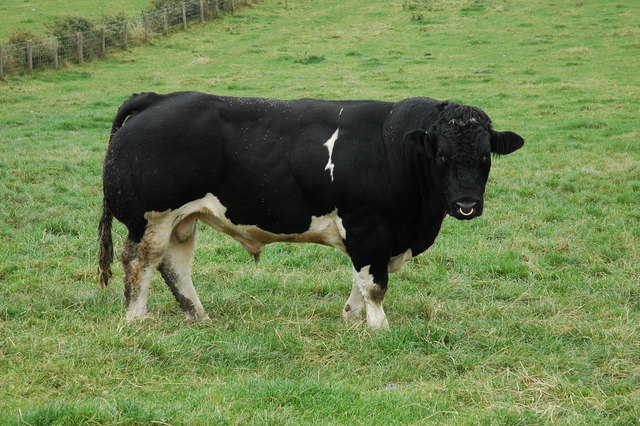
A bull is an intact (not castrated) adult male of domestic cattle, the species Bos taurus. Bulls are kept primarily for breeding and for producing sires whose offspring supply meat and, indirectly, dairy herds. Compared with females (cows) and castrated males (steers or oxen), bulls tend to be more muscular, heavier in the neck and shoulders, and display distinctive sexual and behavioral traits driven by hormones and reproductive function.
Image gallery
10 Images



Physical characteristics and behavior
Bulls commonly show thicker necks, a more robust frame, and sometimes more pronounced secondary sexual characteristics such as a broader head and heavier bone structure. Behaviorally they may be more aggressive or territorial, particularly during breeding season. Sexual maturity occurs as they reach adulthood, after which they develop libido and can be used for natural service. Temperament varies by individual and breed; careful selection and handling practices are important for safety.
Roles and uses
Bulls play several agricultural roles. Farmers and ranchers keep breeding bulls to sire calves for both beef ranching and dairy operations. In dairy systems they are used to improve herd genetics or to produce calves; in many herds, semen from selected bulls is distributed by artificial insemination to manage traits and biosecurity. Beyond agriculture, bulls appear in cultural activities such as bullfighting and rodeo events, and they serve as recurring symbols in art, mythology, and language.
Management, welfare and safety
Managing bulls requires attention to nutrition, reproductive health, and safe facilities. Good practice includes secure handling areas, separation from cows when not intended for breeding, and regular veterinary checks for fertility. In hot climates bulls, like other livestock, face heat stress that can reduce welfare and reproductive performance; mitigation includes shade, water, cooling, and altered management to maintain health and semen quality. Castration is used when a calmer, work-capable or market-suitable male is needed; castrated males are commonly called steers or oxen when trained for draft work.
Distinctions and notable facts
- Bull: intact male kept for breeding.
- Steer: castrated male raised for beef or draft.
- Ox: adult castrated male trained for work.
- Cow: adult female that has calved.
Cultural and economic importance
Across cultures, bulls have been associated with strength, fertility and economic value. They are central to some traditional spectacles, and modern agriculture relies on carefully chosen bulls to shape herd genetics and productivity. In some cases, people have kept individual bulls as companion animals, though this is uncommon and demands specialized handling. For further reading on cattle management and breeding techniques see resources on cattle husbandry and practices in dairy farming.
Related articles
Author
AlegsaOnline.com Bull (intact adult male of domestic cattle) Leandro Alegsa
URL: https://en.alegsaonline.com/art/115774
Sources
- huffingtonpost.com : "The Unusual Pet That Upset Charo's Neighbors (Video)"